


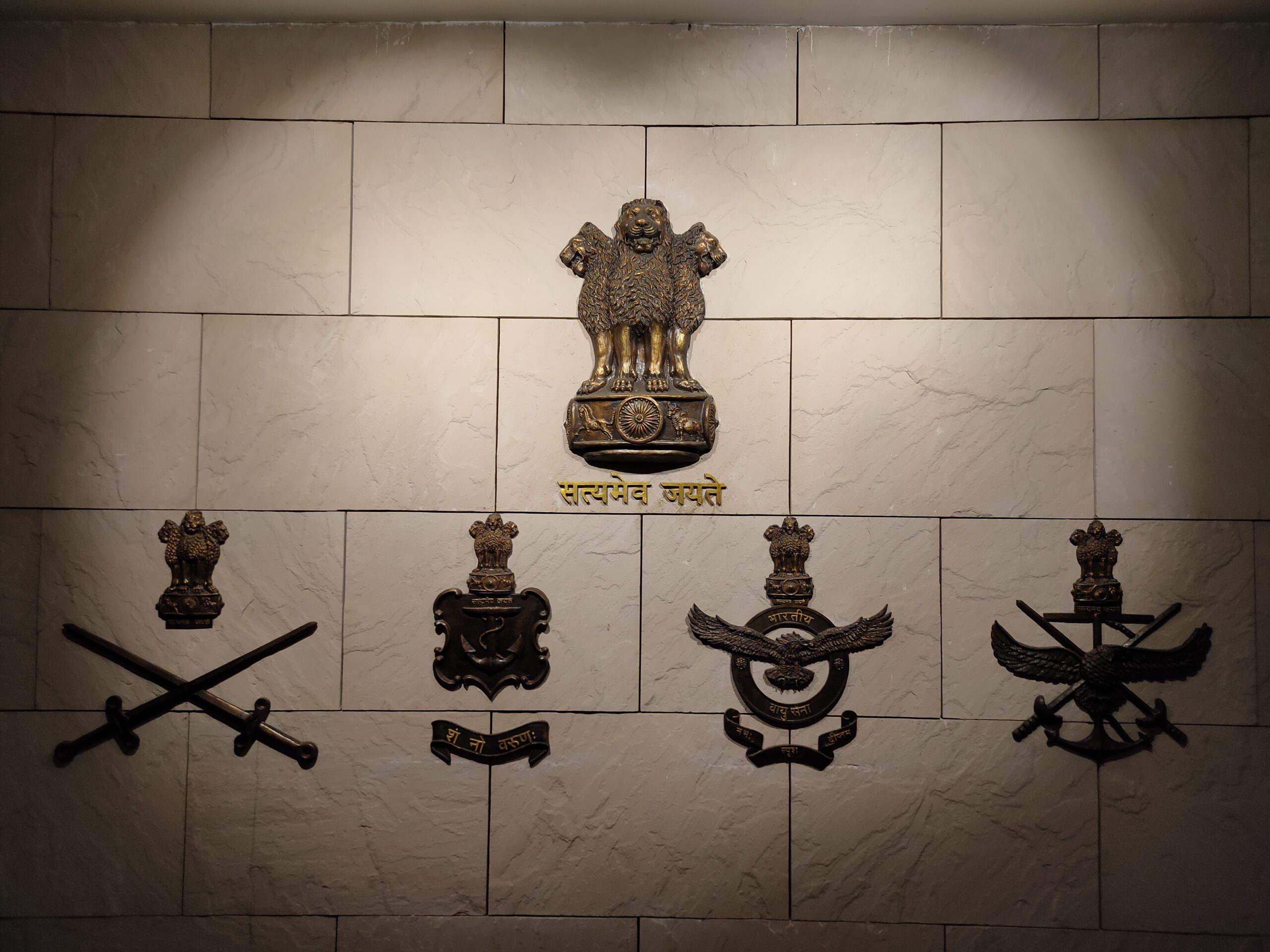


Indian Army Takes Historic Step to Shed Colonial Legacy, Renames 246 Roads and Facilities to Honour India’s Gallantry Awardees
By Defence Journalist Sahil
New Delhi:
In a landmark institutional reform aimed at shedding remnants of colonial-era symbolism and reinforcing a national military identity rooted in India’s own history, ethos, and sacrifice, the Indian Army has undertaken the renaming of 246 roads, buildings, and facilities across its establishments. The sweeping initiative marks a decisive shift away from colonial nomenclature toward names that honour India’s gallantry awardees, war heroes, and distinguished military leaders, thereby embedding the legacy of indigenous valour and service deep into the everyday landscape of the armed forces.
Reclaiming Military Spaces from Colonial Memory to National Pride
For decades, several Indian Army establishments carried names inherited from the colonial past, reflecting a period when India’s military infrastructure was designed to serve imperial interests rather than national identity. The latest renaming initiative is a conscious effort to realign these spaces with the values of a sovereign nation whose armed forces draw inspiration from indigenous bravery, sacrifice, and leadership. By replacing colonial-era names with those of Indian heroes, the Army is not merely changing signboards, but reshaping institutional memory and reaffirming that India’s military traditions stand on their own historic foundations.
Scale and Scope of the Renaming Drive Across Army Establishments
According to official details, the renaming exercise encompasses a wide spectrum of Army infrastructure, reflecting both its depth and symbolic reach. A total of 124 roads, 77 residential colonies, 27 buildings and other key military facilities, and 18 miscellaneous assets—including parks, training areas, sports grounds, gates, and helipads—have been rechristened. The broad distribution of renamed sites ensures that the legacy of India’s gallantry awardees and military leaders is woven into daily military life, from training grounds and living spaces to ceremonial and operational areas.
Honouring Gallantry Awardees and War Heroes in Daily Military Life
At the heart of this initiative lies the Indian Army’s commitment to honour those who have displayed exceptional courage and leadership in defence of the nation. By naming roads and facilities after Param Vir Chakra, Maha Vir Chakra, Vir Chakra awardees, and other distinguished soldiers, the Army ensures that acts of supreme bravery are not confined to history books or annual ceremonies. Instead, these names become part of the everyday environment of soldiers, constantly reminding them of the standards of courage, sacrifice, and duty expected of those in uniform.
Strengthening Institutional Identity and Moral Ethos of the Armed Forces
Senior Army officials have emphasized that the initiative is as much about strengthening institutional identity as it is about honouring the past. Naming infrastructure after Indian heroes fosters a sense of pride, continuity, and belonging among soldiers, particularly younger personnel who draw inspiration from these legacies. It reinforces the idea that the Indian Army’s moral compass is shaped by its own heroes—men who fought and fell for India, under the Indian flag, in defence of Indian sovereignty.
Part of a Larger National Effort to Celebrate India’s Bravest
The renaming drive aligns with broader national efforts to commemorate India’s military heroes and preserve their legacy for future generations. In recent years, dedicated initiatives have been launched to honour Param Vir Chakra awardees, memorialize fallen soldiers, and integrate their stories into public consciousness. Army officials have noted that these steps reflect an enduring national commitment to ensure that the bravery of India’s soldiers remains central to both public and institutional memory, rather than being overshadowed by colonial-era references.
Moving Beyond Symbolism Toward Cultural Transformation
While renaming infrastructure may appear symbolic, military leaders argue that such measures play a crucial role in long-term cultural transformation. Names shape narratives, influence perception, and determine what institutions choose to remember and revere. By consciously choosing to honour India’s gallantry awardees and military leaders, the Army is reinforcing a value system where courage, sacrifice, and national service are the highest ideals. Over time, this cultural recalibration strengthens morale and reinforces the ethical framework of the force.
A Message to Future Generations of Soldiers
For young recruits and officer cadets, walking on roads named after India’s bravest warriors or training in facilities bearing the names of legendary commanders serves as a living lesson in military history. Army officials believe this initiative will instill a deeper sense of responsibility and inspiration, reminding soldiers that they are heirs to a proud tradition of indigenous military excellence. It underscores the message that the Indian Army’s legacy is written by its own sons and daughters, not inherited from a colonial past.
Indian Army’s Evolving Identity in a Changing Strategic Landscape
As India asserts itself as a major strategic power with an independent military doctrine and global outlook, the Army’s efforts to redefine its internal symbols take on added significance. The renaming of roads and facilities reflects a confident institution that acknowledges its past, learns from it, and chooses to celebrate its own heroes. In doing so, the Indian Army signals that its identity is firmly anchored in national pride, constitutional values, and the sacrifices of its soldiers.
Conclusion: From Colonial Echoes to Indian Legacy
The renaming of 246 roads, buildings, and facilities stands as a powerful statement of intent by the Indian Army—one that moves beyond colonial echoes and firmly embraces India’s own military heritage. By honouring gallantry awardees, war heroes, and distinguished leaders, the Army is not only preserving history but actively shaping the values and identity of future generations. In an era where symbolism matters as much as capability, this initiative reinforces that India’s armed forces march forward inspired by their own heroes and their own history.
औपनिवेशिक विरासत से मुक्ति की ओर बड़ा कदम: भारतीय सेना ने 246 सड़कों, इमारतों और सैन्य परिसरों के नाम बदले, वीरता पुरस्कार विजेताओं को दी प्राथमिकता
By Defence Journalist Sahil
नई दिल्ली:
भारतीय सेना ने औपनिवेशिक दौर की विरासत से आगे बढ़ते हुए अपनी संस्थागत पहचान को भारतीय इतिहास, परंपरा और वीरता से जोड़ने की दिशा में एक ऐतिहासिक कदम उठाया है। इस पहल के तहत सेना ने देशभर में अपने विभिन्न सैन्य प्रतिष्ठानों में स्थित 246 सड़कों, भवनों और अन्य सुविधाओं के नाम बदलने का निर्णय लिया है। इस व्यापक प्रक्रिया का उद्देश्य उन औपनिवेशिक नामों को हटाना है, जो आज़ाद भारत की सैन्य चेतना से मेल नहीं खाते, और उनके स्थान पर भारत के वीरता पुरस्कार विजेताओं, युद्ध नायकों और विशिष्ट सैन्य नेताओं के नाम स्थापित करना है।
औपनिवेशिक नामकरण से राष्ट्रीय गौरव तक: सैन्य स्मृति का पुनर्निर्माण
दशकों तक भारतीय सेना के कई ठिकाने, सड़कें और भवन ऐसे नामों से जाने जाते रहे, जिनकी जड़ें औपनिवेशिक काल में थीं। ये नाम उस दौर की याद दिलाते थे जब भारतीय सैन्य ढांचा साम्राज्यवादी हितों के अनुरूप विकसित किया गया था। अब इस नामकरण परिवर्तन के जरिए सेना अपनी स्मृति, परंपरा और प्रतीकों को नए सिरे से गढ़ रही है, ताकि वे एक स्वतंत्र, संप्रभु और आत्मनिर्भर भारत की सैन्य पहचान को प्रतिबिंबित कर सकें। यह बदलाव केवल प्रतीकात्मक नहीं, बल्कि आत्मसम्मान और राष्ट्रीय चेतना से जुड़ा हुआ कदम माना जा रहा है।
246 स्थलों का नामकरण: पहल का व्यापक दायरा
सेना की ओर से जारी समग्र जानकारी के अनुसार इस पहल के अंतर्गत 124 सड़कों, 77 सैन्य आवासीय कॉलोनियों, 27 भवनों एवं अन्य सैन्य सुविधाओं तथा 18 विविध परिसरों—जिनमें पार्क, प्रशिक्षण क्षेत्र, खेल मैदान, प्रवेश द्वार और हेलिपैड शामिल हैं—के नाम बदले गए हैं। इस व्यापक दायरे से स्पष्ट होता है कि यह प्रयास केवल औपचारिक बदलाव तक सीमित नहीं है, बल्कि इसका उद्देश्य सेना के दैनिक जीवन और कार्यस्थल के हर स्तर पर भारतीय वीरता और बलिदान की स्मृति को स्थापित करना है।
वीरता पुरस्कार विजेताओं को सम्मान: दैनिक सैन्य जीवन में प्रेरणा
इस नामकरण पहल का मूल उद्देश्य उन सैनिकों और अधिकारियों को सम्मान देना है, जिन्होंने देश की रक्षा में असाधारण साहस, नेतृत्व और बलिदान का परिचय दिया। परमवीर चक्र, महावीर चक्र, वीर चक्र और अन्य सम्मान प्राप्त सैनिकों के नाम पर सड़कों और भवनों का नामकरण यह सुनिश्चित करता है कि उनकी वीरगाथाएं केवल पुस्तकों या स्मारकों तक सीमित न रहें, बल्कि हर सैनिक के रोजमर्रा के अनुभव का हिस्सा बनें। सेना का मानना है कि इससे अनुशासन, कर्तव्य और साहस के मूल्य और अधिक सुदृढ़ होंगे।
संस्थागत पहचान और सैन्य मनोबल को सशक्त करने की पहल
वरिष्ठ सैन्य अधिकारियों के अनुसार यह कदम सेना की संस्थागत पहचान को मजबूत करने की दिशा में भी अत्यंत महत्वपूर्ण है। जब जवान और अधिकारी ऐसे परिसरों में रहते और कार्य करते हैं, जिनका नाम देश के वीर नायकों पर रखा गया हो, तो उनके भीतर स्वाभाविक रूप से गर्व और उत्तरदायित्व की भावना उत्पन्न होती है। यह पहल विशेष रूप से युवा सैनिकों के लिए प्रेरणास्रोत मानी जा रही है, जो इन नामों के माध्यम से भारतीय सेना की गौरवशाली परंपरा से जुड़ते हैं।
राष्ट्रीय स्तर पर वीरों को स्मरण करने के प्रयासों से तालमेल
यह पहल उन राष्ट्रीय प्रयासों के अनुरूप है, जिनके तहत हाल के वर्षों में भारत के वीर सैनिकों को सम्मानित और स्मरण करने पर विशेष जोर दिया गया है। परमवीर चक्र विजेताओं की स्मृति में विशेष कार्यक्रम, स्मारकों का निर्माण और सार्वजनिक स्थलों पर उनके योगदान को उजागर करने जैसे कदम इसी दिशा का हिस्सा हैं। सेना के अधिकारियों का कहना है कि यह निरंतर प्रयास देश की सामूहिक स्मृति में वीरता और बलिदान को केंद्रीय स्थान देने की प्रतिबद्धता को दर्शाता है।
प्रतीकात्मक बदलाव से आगे सांस्कृतिक परिवर्तन की ओर
हालांकि नाम बदलने की प्रक्रिया को कई लोग प्रतीकात्मक मान सकते हैं, लेकिन सेना के नेतृत्व का कहना है कि ऐसे कदम दीर्घकालिक सांस्कृतिक परिवर्तन की नींव रखते हैं। नाम, प्रतीक और परंपराएं किसी भी संस्था की सोच और मूल्य प्रणाली को आकार देती हैं। जब सैन्य प्रतिष्ठानों के नाम भारत के अपने नायकों से जुड़े होते हैं, तो यह संदेश स्पष्ट होता है कि सेना का नैतिक और वैचारिक आधार देशभक्ति, त्याग और साहस पर टिका हुआ है।
भविष्य की पीढ़ियों के लिए स्पष्ट संदेश
युवा रंगरूटों और अधिकारी प्रशिक्षण अकादमियों में अध्ययनरत कैडेट्स के लिए यह नामकरण पहल एक जीवंत इतिहास की तरह है। जिन सड़कों पर वे चलते हैं या जिन मैदानों में प्रशिक्षण लेते हैं, उनके नाम ही उन्हें यह याद दिलाते हैं कि वे किन आदर्शों की विरासत संभाल रहे हैं। सेना का मानना है कि इससे आने वाली पीढ़ियों में कर्तव्य, अनुशासन और देश के प्रति निष्ठा और भी मजबूत होगी।
बदलते रणनीतिक परिवेश में भारतीय सेना की आत्मनिर्भर पहचान
एक ऐसे समय में जब भारत वैश्विक मंच पर एक स्वतंत्र और आत्मविश्वासी सैन्य शक्ति के रूप में उभर रहा है, भारतीय सेना की यह पहल उसकी विकसित होती पहचान को दर्शाती है। औपनिवेशिक प्रभावों से मुक्त होकर अपनी परंपराओं और नायकों को केंद्र में लाना यह संकेत देता है कि सेना न केवल रणनीतिक रूप से बल्कि सांस्कृतिक और वैचारिक रूप से भी आत्मनिर्भर बन रही है।
निष्कर्ष: औपनिवेशिक छायाओं से बाहर निकलकर भारतीय विरासत की स्थापना
246 सड़कों, भवनों और सैन्य सुविधाओं का नामकरण परिवर्तन भारतीय सेना के उस संकल्प को दर्शाता है, जिसमें वह अपने अतीत को समझते हुए भविष्य की दिशा तय कर रही है। वीरता पुरस्कार विजेताओं और युद्ध नायकों को सम्मान देकर सेना न केवल इतिहास को संजो रही है, बल्कि आने वाली पीढ़ियों के लिए एक स्पष्ट संदेश भी दे रही है कि भारतीय सेना की प्रेरणा और पहचान उसके अपने वीर सपूत हैं, न कि औपनिवेशिक स्मृतियाँ।




Leave a Reply