








BY DEFENCE JOURNALIST SAHIL | T.I.N. NETWORK
जयपुर में भारतीय सेना की Battle Axe Division की बड़ी पहल: ड्रोन इनोवेशन पर Academia–Industry Interaction, मिलिट्री–सिविल फ्यूजन के तहत भविष्य की युद्ध तकनीकों पर मंथन
मिलिट्री–सिविल फ्यूजन पहल के तहत जयपुर में हुआ महत्वपूर्ण संवाद
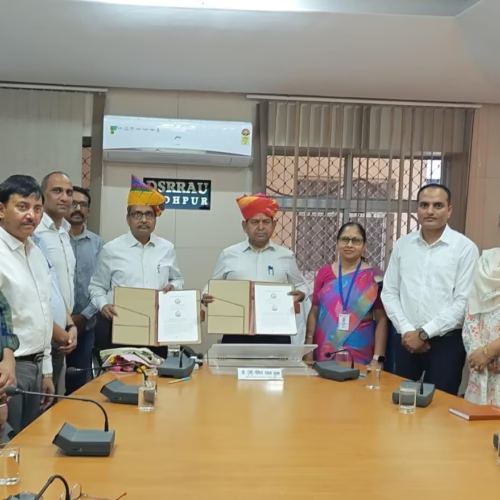
भारत की राष्ट्रीय सुरक्षा व्यवस्था को भविष्य की तकनीकी चुनौतियों के लिए और अधिक सक्षम बनाने की दिशा में भारतीय सेना की Southern Command की Battle Axe Division ने जयपुर में “Academia–Industry Interaction on Drone Innovation” का महत्वपूर्ण आयोजन किया। यह कार्यक्रम चल रहे Military–Civil Fusion (MCF) अभियान के तहत आयोजित किया गया, जिसका उद्देश्य सेना, उद्योग और शैक्षणिक संस्थानों के बीच सहयोग को मजबूत करना और उभरती रक्षा प्रौद्योगिकियों के विकास को गति देना था।
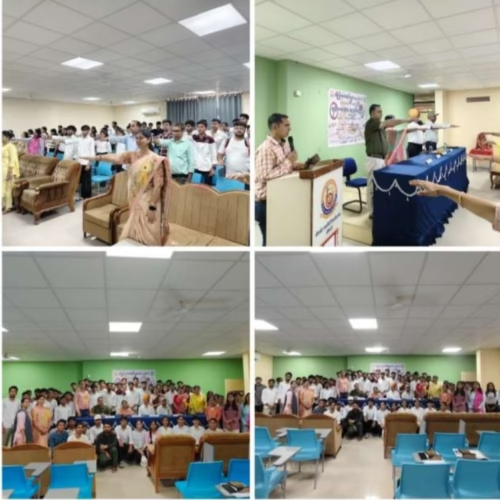
इस महत्वपूर्ण संवाद में ड्रोनम एविएशन लिमिटेड, देश के प्रमुख शैक्षणिक संस्थानों और भारतीय सेना के अधिकारियों सहित 50 से अधिक विशेषज्ञों और प्रतिनिधियों ने भाग लिया। इस मंच का उद्देश्य रक्षा क्षेत्र में तकनीकी नवाचार को बढ़ावा देना, शोध संस्थानों की क्षमताओं को सेना की आवश्यकताओं के साथ जोड़ना और एक ऐसे समन्वित तंत्र का निर्माण करना था जिससे भविष्य की युद्ध जरूरतों के लिए स्वदेशी समाधान विकसित किए जा सकें।
आज के बदलते वैश्विक सुरक्षा वातावरण में यह महसूस किया जा रहा है कि पारंपरिक सैन्य शक्ति के साथ-साथ तकनीकी श्रेष्ठता भी उतनी ही महत्वपूर्ण हो चुकी है। ऐसे में सेना, उद्योग और शिक्षा जगत के बीच संवाद और सहयोग अत्यंत आवश्यक हो गया है।
ड्रोन इनोवेशन और उभरती रक्षा तकनीकों पर विस्तृत चर्चा
इस इंटरएक्शन का मुख्य फोकस ड्रोन तकनीक और उससे जुड़े नवाचारों पर रहा। पिछले कुछ वर्षों में ड्रोन और अन्य मानव रहित प्रणालियों ने सैन्य अभियानों के स्वरूप को पूरी तरह बदल दिया है। निगरानी, टोही, खुफिया जानकारी एकत्र करने, सीमावर्ती क्षेत्रों की निगरानी और सटीक हमलों के लिए ड्रोन तकनीक आज आधुनिक युद्ध का महत्वपूर्ण हिस्सा बन चुकी है।
इस कार्यक्रम के दौरान उद्योग और शैक्षणिक जगत से जुड़े विशेषज्ञों ने ड्रोन डिजाइन, ऑटोमेटेड नेविगेशन सिस्टम, लंबी दूरी तक निगरानी करने वाली प्रणालियों और अत्याधुनिक सेंसर तकनीकों पर अपने विचार प्रस्तुत किए। उन्होंने बताया कि भविष्य की युद्धभूमि में ऐसे ड्रोन की आवश्यकता होगी जो कठिन भौगोलिक परिस्थितियों में भी प्रभावी ढंग से कार्य कर सकें और सैनिकों को वास्तविक समय में महत्वपूर्ण जानकारी प्रदान कर सकें।
भारतीय सेना के अधिकारियों ने भी अपने परिचालन अनुभव साझा करते हुए बताया कि सीमावर्ती क्षेत्रों, दुर्गम इलाकों और संवेदनशील सैन्य प्रतिष्ठानों की सुरक्षा के लिए अत्याधुनिक ड्रोन तकनीक कितनी महत्वपूर्ण हो चुकी है। उन्होंने यह भी बताया कि आधुनिक युद्धक्षेत्र में सूचना की गति और सटीकता ही सफलता का निर्धारण करती है, और ड्रोन इस दिशा में अत्यंत प्रभावी उपकरण बनकर उभरे हैं।
काउंटर-ड्रोन तकनीकों और मल्टी-डोमेन युद्ध की चुनौतियों पर चर्चा
इस संवाद के दौरान एक महत्वपूर्ण विषय काउंटर-ड्रोन तकनीकों का विकास भी रहा। हाल के वर्षों में दुनिया भर में यह देखा गया है कि आतंकवादी संगठनों और शत्रु देशों द्वारा छोटे ड्रोन का इस्तेमाल निगरानी, हथियार ले जाने और संवेदनशील क्षेत्रों पर हमले के लिए किया जा रहा है। ऐसे में इन खतरों से निपटने के लिए प्रभावी काउंटर-ड्रोन सिस्टम विकसित करना अत्यंत आवश्यक हो गया है।
विशेषज्ञों ने ड्रोन डिटेक्शन सिस्टम, रेडियो फ्रीक्वेंसी मॉनिटरिंग, इलेक्ट्रॉनिक जैमिंग तकनीक और ड्रोन इंटरसेप्शन सिस्टम जैसे समाधानों पर विस्तार से चर्चा की। इन तकनीकों का उद्देश्य किसी भी संदिग्ध ड्रोन गतिविधि को समय रहते पहचानना और उसे निष्क्रिय करना है।
इसके साथ ही मल्टी-डोमेन ऑपरेशंस की अवधारणा पर भी विचार-विमर्श किया गया। आधुनिक युद्ध अब केवल जमीन, समुद्र और आकाश तक सीमित नहीं रह गया है, बल्कि साइबर और अंतरिक्ष जैसे क्षेत्रों में भी संघर्ष की संभावनाएं बढ़ गई हैं। ऐसे परिदृश्य में मानव रहित प्रणालियां और स्वचालित तकनीकें विभिन्न ऑपरेशनल डोमेन्स के बीच समन्वय स्थापित करने में महत्वपूर्ण भूमिका निभाती हैं।
कौशल विकास और भविष्य के रक्षा नवाचारकों को तैयार करने पर जोर
इस कार्यक्रम में कौशल विकास और नई पीढ़ी के रक्षा तकनीक विशेषज्ञों को तैयार करने पर भी विशेष ध्यान दिया गया। आधुनिक रक्षा प्रणालियां अत्यधिक जटिल और तकनीकी रूप से उन्नत होती जा रही हैं, जिसके लिए उच्च प्रशिक्षित इंजीनियरों, वैज्ञानिकों और तकनीकी विशेषज्ञों की आवश्यकता बढ़ रही है।
शैक्षणिक संस्थानों के प्रतिनिधियों ने बताया कि कैसे विश्वविद्यालयों और तकनीकी संस्थानों में ऐसे पाठ्यक्रम और शोध कार्यक्रम विकसित किए जा सकते हैं जो रक्षा क्षेत्र की जरूरतों के अनुरूप हों। छात्रों को रक्षा तकनीक से जुड़ी परियोजनाओं पर काम करने के अवसर प्रदान करना, इंटर्नशिप कार्यक्रम और संयुक्त शोध परियोजनाएं इस दिशा में महत्वपूर्ण कदम हो सकते हैं।
उद्योग विशेषज्ञों ने भी इस बात पर जोर दिया कि यदि भारत को रक्षा तकनीक में वैश्विक स्तर पर अग्रणी बनना है तो उसे नवाचार आधारित कौशल विकास पर विशेष ध्यान देना होगा। इसके लिए शिक्षा, अनुसंधान और उद्योग के बीच मजबूत सहयोग आवश्यक है।
उद्योग और अकादमिक संस्थानों के बीच साझेदारी को मजबूत करने की पहल
इस संवाद का एक प्रमुख उद्देश्य उद्योग और शैक्षणिक संस्थानों के बीच साझेदारी को मजबूत करना भी था। अक्सर ऐसा देखा जाता है कि विश्वविद्यालयों में विकसित तकनीकी विचार और शोध प्रयोगशालाओं तक ही सीमित रह जाते हैं, जबकि उद्योग उन्हें व्यावहारिक उत्पादों में बदलने की क्षमता रखता है।
इसी कारण इस कार्यक्रम में संयुक्त अनुसंधान परियोजनाओं, रक्षा तकनीक स्टार्टअप्स, इनोवेशन लैब्स और टेक्नोलॉजी इनक्यूबेशन सेंटर जैसे कई संभावित सहयोगी मॉडल्स पर चर्चा की गई। इन पहलों के माध्यम से नई तकनीकों को तेजी से विकसित और परीक्षण किया जा सकता है।
यह भी सुझाव दिया गया कि क्षेत्रीय स्तर पर ऐसे इनोवेशन क्लस्टर विकसित किए जाएं जहां विश्वविद्यालय, तकनीकी स्टार्टअप्स और रक्षा उद्योग एक साथ मिलकर काम कर सकें। इससे स्वदेशी रक्षा तकनीकों के विकास को गति मिलेगी और देश की रणनीतिक क्षमताएं मजबूत होंगी।
आत्मनिर्भर रक्षा तकनीक के लक्ष्य की दिशा में महत्वपूर्ण कदम
यह कार्यक्रम भारत सरकार की “आत्मनिर्भर भारत” पहल के व्यापक लक्ष्य के साथ भी जुड़ा हुआ है, जिसके तहत देश की रक्षा जरूरतों को अधिक से अधिक स्वदेशी तकनीकों के माध्यम से पूरा करने का प्रयास किया जा रहा है।
ड्रोन तकनीक को इस दिशा में एक अत्यंत महत्वपूर्ण क्षेत्र माना जा रहा है क्योंकि यह अपेक्षाकृत तेजी से विकसित होने वाला और उच्च रणनीतिक महत्व वाला क्षेत्र है। यदि भारत इस क्षेत्र में मजबूत स्वदेशी क्षमता विकसित कर लेता है तो यह न केवल राष्ट्रीय सुरक्षा को मजबूत करेगा बल्कि वैश्विक रक्षा बाजार में भी भारत की स्थिति को मजबूत करेगा।
इस कार्यक्रम में यह भी बताया गया कि स्थानीय स्तर पर विकसित नवाचार पारिस्थितिकी तंत्र देश की रक्षा संरचना को अधिक लचीला और मजबूत बनाने में महत्वपूर्ण भूमिका निभा सकता है।
भविष्य की चुनौतियों के लिए तैयार रक्षा पारिस्थितिकी तंत्र का निर्माण
जयपुर में आयोजित यह Academia–Industry Interaction इस बात का स्पष्ट संकेत है कि भारतीय सेना भविष्य की तकनीकी चुनौतियों के लिए पहले से तैयारी कर रही है। Battle Axe Division और Southern Command द्वारा आयोजित यह पहल दर्शाती है कि सेना केवल पारंपरिक युद्ध कौशल पर ही निर्भर नहीं है बल्कि आधुनिक तकनीकी नवाचार को भी अपनी रणनीति का महत्वपूर्ण हिस्सा बना रही है।
सेना, उद्योग और शैक्षणिक संस्थानों के बीच इस प्रकार का सहयोग भविष्य में अत्याधुनिक रक्षा प्रणालियों के विकास को गति देगा और भारत को तकनीकी रूप से सक्षम तथा आत्मनिर्भर बनाने में मदद करेगा।
इस प्रकार के संवाद और सहयोगात्मक प्रयास यह सुनिश्चित करते हैं कि देश की सुरक्षा केवल सैन्य शक्ति पर ही नहीं बल्कि तकनीकी नवाचार, ज्ञान और अनुसंधान पर आधारित एक मजबूत और भविष्य के लिए तैयार रक्षा पारिस्थितिकी तंत्र के माध्यम से सुनिश्चित की जा सके।
BY DEFENCE JOURNALIST SAHIL | T.I.N. NETWORK
Indian Army’s Battle Axe Division Hosts Major Academia–Industry Interaction on Drone Innovation in Jaipur, Strengthening India’s Future Defence Technology Ecosystem
Military–Civil Fusion Initiative Brings Army, Industry and Academia Together in Jaipur
In a significant step toward strengthening India’s defence innovation ecosystem, the Battle Axe Division of the Indian Army’s Southern Command organised a major Academia–Industry Interaction on Drone Innovation in Jaipur under the ongoing Military–Civil Fusion (MCF) initiative. The event brought together more than 50 representatives from the defence industry, leading academic institutions and the Indian Army, creating a collaborative platform aimed at accelerating technological advancement and strengthening indigenous capabilities in emerging defence technologies.
The interaction was designed as part of a broader national effort to bridge the gap between operational military requirements and technological development being undertaken by private industry and academic research institutions. By bringing together experts from multiple sectors, the Indian Army sought to encourage dialogue that can help transform innovative ideas into practical solutions capable of addressing modern battlefield challenges.
Participants included professionals from drone technology companies such as Dronum Aviation Ltd, researchers and professors from reputed academic institutions, defence technology specialists and officers from the Indian Army who are directly involved in operational planning and capability development. The discussions highlighted the importance of aligning research, innovation and industrial capacity with the evolving needs of India’s armed forces.
The event underscored the growing realization within India’s defence establishment that future conflicts will be heavily influenced by emerging technologies such as unmanned aerial systems, artificial intelligence, advanced surveillance platforms and electronic warfare systems.
Focus on Drone Innovation and Emerging Battlefield Technologies
A key focus of the interaction was the rapid evolution of drone technology and its increasing importance in modern warfare. Over the past decade, unmanned aerial systems have transformed military operations across the world, offering new capabilities in surveillance, reconnaissance, intelligence gathering, logistics support and precision targeting.
During the discussions, experts from industry and academia presented insights into the latest developments in drone design, autonomous navigation systems, advanced payload capabilities and swarm technologies. These innovations are expected to significantly enhance the operational effectiveness of armed forces by providing real-time battlefield intelligence and improving situational awareness.
Representatives from the Indian Army highlighted the operational requirements emerging from contemporary security challenges, particularly in border areas and high-risk operational environments. These requirements include drones capable of operating in difficult terrain, long-endurance surveillance platforms, secure communication systems and technologies that can counter hostile drone threats.
The dialogue emphasized that developing such advanced systems requires close collaboration between defence users, researchers and technology developers. By integrating operational feedback with technological research, India can accelerate the development of indigenous drone solutions tailored to the country’s specific security needs.
Counter-Drone Technologies and Multi-Domain Warfare Discussed
Another major theme of the interaction was the growing threat posed by hostile drones and the need for effective counter-drone technologies. In recent conflicts around the world, drones have been increasingly used by both state and non-state actors for surveillance, targeted strikes and even sabotage missions.
Experts discussed various technological solutions designed to detect, track and neutralize hostile drones before they can cause damage. These solutions include radar-based detection systems, radio frequency monitoring, electronic jamming technologies and kinetic interception mechanisms.
The discussions also explored the concept of multi-domain warfare, where military operations are conducted simultaneously across land, air, sea, cyber and space domains. In such an environment, unmanned systems play a crucial role by providing real-time data and enhancing coordination between different operational forces.
Participants emphasized that building effective multi-domain capabilities requires an integrated technological ecosystem in which defence forces, research institutions and private industry collaborate closely to develop cutting-edge solutions.
Skill Development and Nurturing Future Defence Innovators
The interaction also focused heavily on skill development and the need to cultivate a new generation of defence technology innovators. As military systems become increasingly complex and technologically sophisticated, the demand for highly skilled engineers, researchers and technology specialists is growing rapidly.
Academic institutions participating in the event shared insights into how educational programs can be designed to support defence innovation. Discussions included specialized training programs, collaborative research initiatives and internship opportunities that can allow students and researchers to work directly on defence-related technologies.
Industry leaders highlighted the importance of building a strong talent pipeline capable of developing advanced technologies such as autonomous systems, robotics, artificial intelligence and advanced sensors. By aligning educational curricula with the technological requirements of the defence sector, India can ensure that its future workforce is prepared to support the armed forces’ evolving operational needs.
This approach not only strengthens the defence sector but also contributes to broader technological advancement and economic growth by encouraging innovation-driven industries.
Strengthening Industry–Academia Partnerships for Defence Innovation
One of the key outcomes of the interaction was the recognition that strong partnerships between industry and academia are essential for building a robust defence innovation ecosystem. While academic institutions possess significant research capabilities and intellectual resources, private industry often provides the infrastructure and expertise required to transform research concepts into deployable technologies.
Through this collaborative dialogue, participants explored opportunities for joint research projects, technology incubators, defence innovation labs and startup ecosystems focused on defence technology development. Such partnerships can accelerate the development of indigenous technologies while reducing dependence on foreign defence systems.
The discussions also highlighted the importance of creating regional innovation clusters where universities, technology startups and defence manufacturers can collaborate closely. These clusters can serve as hubs for experimentation, rapid prototyping and technology testing, helping India develop cutting-edge defence systems more efficiently.
Supporting India’s Vision of Self-Reliant Defence Technology
The interaction strongly aligned with India’s broader strategic objective of achieving self-reliance in defence technology under the government’s Atmanirbhar Bharat initiative. Developing indigenous defence capabilities has become a national priority as India seeks to reduce dependence on imported military equipment and strengthen its domestic defence manufacturing ecosystem.
Participants emphasized that drone technology represents one of the most promising areas for indigenous development. With the right combination of research, innovation and industry collaboration, India has the potential to emerge as a global leader in unmanned systems and related defence technologies.
The event also highlighted the role that local innovation ecosystems can play in strengthening national security. By harnessing regional talent and industrial capacity, India can create a decentralized network of innovation hubs capable of supporting the armed forces with advanced technological solutions.
Southern Command’s Commitment to Building a Future-Ready Defence Ecosystem
The Academia–Industry Interaction on Drone Innovation ultimately reaffirmed the commitment of the Indian Army’s Southern Command to fostering collaborative platforms that encourage technological innovation and strengthen indigenous defence capabilities. By actively engaging with industry and academic stakeholders, the Army is working to ensure that India remains prepared for the rapidly evolving technological landscape of modern warfare.
The initiative demonstrated that national security in the 21st century depends not only on military strength but also on technological superiority and innovation. By integrating knowledge, research expertise and industrial capabilities from multiple sectors, the Military–Civil Fusion initiative aims to build a resilient and future-ready defence ecosystem capable of supporting India’s strategic security objectives.
Through such initiatives, the Indian Army continues to encourage innovation-driven partnerships that can accelerate the development of next-generation defence technologies. As emerging threats reshape the global security environment, collaborative efforts between the military, academia and industry will remain essential in ensuring that India’s armed forces maintain a decisive technological edge on the battlefield.





Add Comment