





BY DEFENCE JOURNALIST SAHIL
Indian Army’s Exemplary Humanitarian Response in Cyclone Ditwa–Ravaged Sri Lanka
When Uniforms Become Symbols of Compassion and Power is Defined by Humanity
New Delhi | 20 December 2025
A Quiet Moment at Colombo Airport That Spoke Louder Than Diplomacy
In a world increasingly fractured by geopolitical rivalries, trade wars, and transactional alliances, an unassuming moment at Colombo’s Bandaranaike International Airport offered a powerful reminder of what true leadership looks like. As this correspondent prepared to depart Sri Lanka for India, a contingent of Indian Army jawans stood in disciplined formation at the check-in counters—uniforms immaculate, posture resolute, the National Tricolour proudly stitched on their shoulders. A brief exchange with one of the soldiers revealed that they were returning after completing Operation Sagar Bandhu, India’s humanitarian assistance and disaster relief (HADR) mission launched in response to the catastrophic devastation caused by Cyclone Ditwa (also referred to as Ditwah). That short conversation, devoid of bravado or publicity, captured the deeper ethos of the Indian Armed Forces—Nation First, Service Before Self.
Cyclone Ditwa’s Trail of Destruction Across Sri Lanka
Cyclone Ditwa, which struck Sri Lanka in late November, left behind a grim landscape of loss and destruction. Coastal and central regions including Trincomalee, Batticaloa, Badulla, Kilinochchi, and surrounding districts bore the brunt of the storm’s fury. Torrential rains triggered massive flooding and landslides, washing away homes, crippling road networks, and isolating entire communities. Lakhs were displaced, essential services collapsed, and local administrations struggled to cope with the scale of the humanitarian emergency. For Sri Lanka, still grappling with economic fragility, the cyclone was not merely a natural disaster—it was a national crisis demanding immediate external support.
Operation Sagar Bandhu: India’s Rapid Response in Action
Guided by the principles of ‘Neighbourhood First’ and SAGAR (Security and Growth for All in the Region), India activated Operation Sagar Bandhu with remarkable speed and precision. The Indian Army deployed a specialised Engineer Task Force (ETF) comprising 48 highly trained personnel, airlifted to Sri Lanka aboard IL-76 strategic transport aircraft from Indian bases. These engineers were equipped to clear debris, restore damaged infrastructure, and stabilise flood-hit zones. Simultaneously, National Disaster Response Force (NDRF) teams, equipped with advanced rescue gear, conducted high-risk evacuation operations, rescuing more than 450 stranded civilians, including women, children, and the elderly, from submerged villages and collapsed structures.
Seamless Tri-Services Coordination on Foreign Soil
What distinguished Operation Sagar Bandhu was the seamless integration of India’s Army, Navy, and disaster response agencies, operating in close coordination with the Sri Lanka Army and civil authorities. Indian Naval assets, including aircraft carriers and logistics vessels such as INS Vikrant, delivered over 53 tonnes of humanitarian relief material. These consignments included dry rations, drinking water, medical supplies, emergency shelters, BHISHM health cubes, and engineering equipment such as Bailey bridges, crucial for reconnecting isolated regions. One of the most symbolic achievements was the restoration of connectivity at strategic points like the Kilinochchi Bridge, a lifeline for both civilian movement and relief logistics.
Humanitarian Assistance as Strategic Statecraft
In contemporary international relations, humanitarian missions are no longer peripheral acts of goodwill—they are instruments of strategic influence. India’s swift intervention in Sri Lanka reinforced its image as the first responder of choice in the Indian Ocean Region (IOR). Unlike coercive power projection, HADR missions build trust, legitimacy, and long-term partnerships. They enhance interoperability between militaries, create operational familiarity in diverse terrains, and counter adversarial narratives that seek to portray India as inward-looking or hesitant. Operation Sagar Bandhu demonstrated how India operationalises regional leadership without confrontation, coercion, or conditionality.
From Nepal to Maldives: A Consistent Record of Compassion
Sri Lanka is only the latest chapter in a long continuum of Indian humanitarian interventions. From the 2015 Nepal earthquake to disaster relief operations in Maldives, Indonesia, Turkey, and multiple IOR nations, the Indian Armed Forces have repeatedly proven their capacity to deliver aid swiftly and effectively. Each mission refines India’s HADR doctrine, enhances jointness among the services, and strengthens diplomatic goodwill. These operations are not episodic responses; they represent a deliberate strategic posture rooted in responsibility rather than dominance.
Power Redefined: Empathy as a Strategic Asset
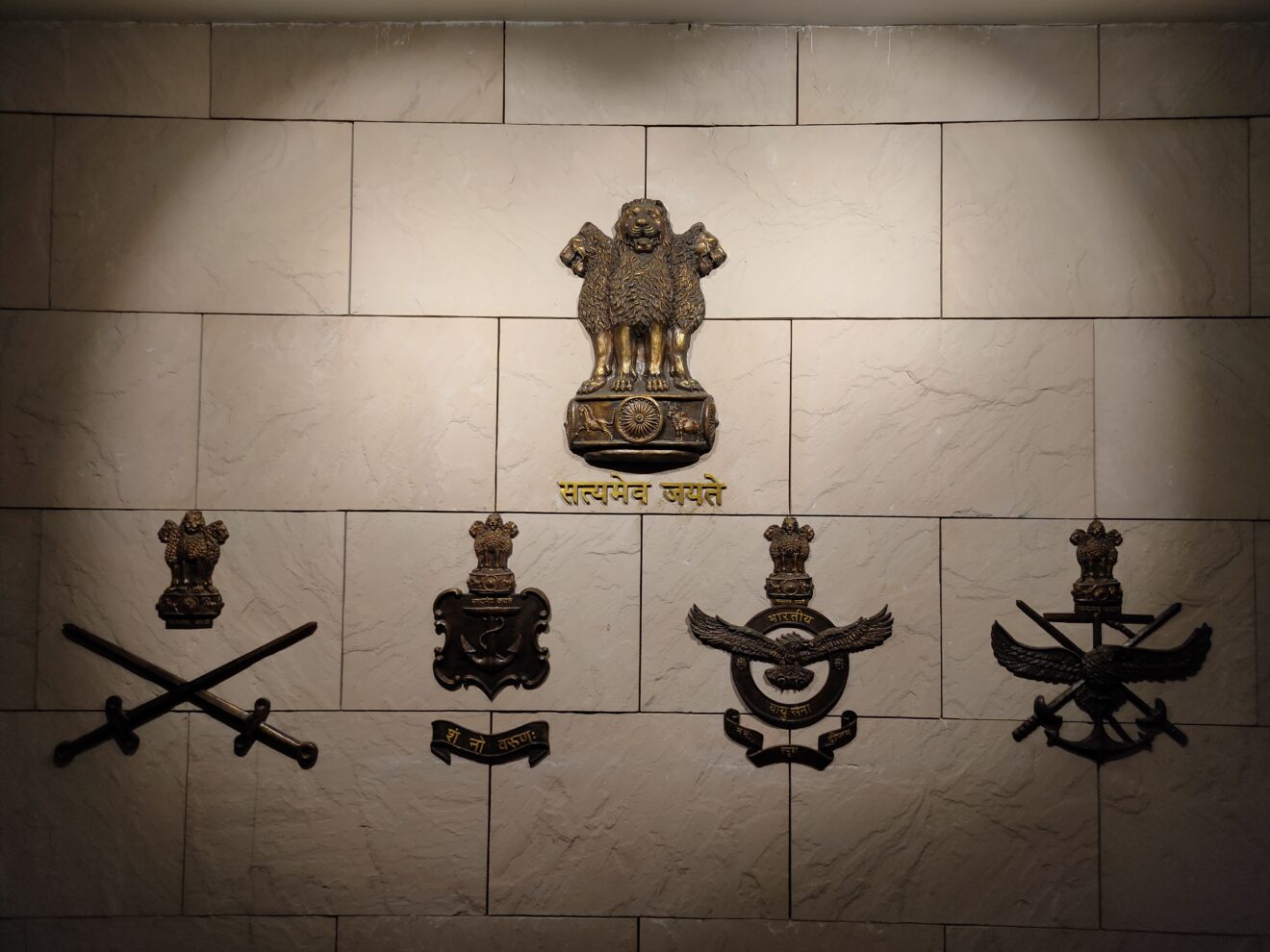
At a time when global power is often measured through military budgets, economic coercion, or technological supremacy, the Indian Army offers a different definition of strength. The jawans returning quietly from Sri Lanka embodied a form of power anchored in empathy, restraint, and service—values deeply enshrined in the Preamble of the Indian Constitution and reflected in the ethos of the tri-services. Their mission was not about visibility or headlines, but about restoring dignity to those stripped of everything by nature’s fury.
Vasudhaiva Kutumbakam in Uniform
Official statements from the Ministry of External Affairs consistently frame such missions within the civilisational philosophy of Vasudhaiva Kutumbakam—the world is one family. On the ground in Sri Lanka, this philosophy translated into soldiers wading through floodwaters, engineers rebuilding shattered infrastructure, and medics treating the injured without discrimination. In a polarised world where humanitarian norms are often compromised by politics, India’s actions reaffirm its moral compass and civilisational continuity.
A Quiet Departure, A Lasting Impression
As the Indian Army contingent boarded their flight home from Colombo, there were no grand ceremonies or media glare—only quiet professionalism. Yet their presence left an indelible imprint, not just on the people they helped, but on the strategic landscape of the region. Operation Sagar Bandhu stands as a reminder that India’s rise is not merely about economic growth or military modernisation, but about the ability to lead with compassion. In the end, the true measure of a nation’s strength lies not in how it confronts adversaries, but in how it stands by its neighbours in their darkest hour.
श्रीलंका में चक्रवात डिटवा के बाद भारतीय सेना की मानवीय मिसाल
जब वर्दी करुणा की पहचान बनती है और शक्ति का अर्थ सेवा से तय होता है
नई दिल्ली | 20 दिसंबर 2025
कोलंबो एयरपोर्ट पर एक दृश्य, जिसने कूटनीति से बड़ा संदेश दिया
आज के वैश्विक परिदृश्य में, जहां भू-राजनीतिक तनाव, संरक्षणवादी नीतियां और डगमगाते अंतरराष्ट्रीय रिश्ते आम हो चले हैं, वहीं कोलंबो के बंडारनायके अंतरराष्ट्रीय हवाई अड्डे पर घटित एक साधारण-सा दृश्य असाधारण अर्थ लेकर आया। भारत लौटते समय इस संवाददाता ने भारतीय सेना के अनुशासित जवानों के एक दल को चेक-इन लाइन में व्यवस्थित खड़े देखा। कंधों पर सजे राष्ट्रीय तिरंगे के पैच और चेहरे पर शांति का भाव यह बता रहा था कि यह कोई सामान्य यात्रा नहीं थी। बातचीत में पता चला कि ये जवान ‘ऑपरेशन सागर बंधु’ के तहत श्रीलंका में चक्रवात डिटवा (डिटवाह) से प्रभावित इलाकों में मानवीय सहायता और आपदा राहत (HADR) मिशन पूरा कर लौट रहे थे। वह क्षण भारतीय सेना की उस आत्मा को दर्शाता है, जिसे उसके मूल मंत्र ‘नेशन फर्स्ट, सर्विस बिफोर सेल्फ’ से परिभाषित किया जाता है।
चक्रवात डिटवा: श्रीलंका के लिए एक बहुआयामी संकट
नवंबर के अंतिम सप्ताह में आए चक्रवात डिटवा ने श्रीलंका के तटीय और मध्यवर्ती क्षेत्रों में अभूतपूर्व तबाही मचाई। त्रिंकोमाली, बट्टीकलोआ, बादुल्ला, किलिनोच्ची सहित कई जिलों में भीषण बारिश, बाढ़ और भूस्खलन ने जनजीवन को अस्त-व्यस्त कर दिया। हजारों घर क्षतिग्रस्त हुए, सड़कें और पुल बह गए, बिजली-पानी जैसी बुनियादी सेवाएं ठप पड़ गईं और लाखों लोग विस्थापित हो गए। आर्थिक चुनौतियों से जूझ रहे श्रीलंका के लिए यह आपदा केवल प्राकृतिक नहीं, बल्कि मानवीय और प्रशासनिक संकट भी बन गई।
‘ऑपरेशन सागर बंधु’: भारत की त्वरित और निर्णायक प्रतिक्रिया
भारत ने अपनी ‘पड़ोसी प्रथम’ नीति और सागर (SAGAR – Security and Growth for All in the Region) दृष्टिकोण के अनुरूप तुरंत ऑपरेशन सागर बंधु की शुरुआत की। भारतीय सेना का 48 सदस्यीय इंजीनियर टास्क फोर्स (ETF), विशेष उपकरणों के साथ IL-76 रणनीतिक परिवहन विमान द्वारा श्रीलंका भेजा गया। इन विशेषज्ञों ने मलबा हटाने, क्षतिग्रस्त संरचनाओं की मरम्मत और अस्थायी कनेक्टिविटी बहाल करने का जिम्मा संभाला। साथ ही, राष्ट्रीय आपदा प्रतिक्रिया बल (NDRF) की टीमों ने जोखिम भरे अभियानों में उतरकर 450 से अधिक लोगों को बाढ़ग्रस्त इलाकों से सुरक्षित बाहर निकाला।
त्रि-सेवाओं का समन्वय और जमीनी स्तर पर प्रभाव
ऑपरेशन सागर बंधु की सबसे बड़ी विशेषता रही भारतीय थलसेना, नौसेना और आपदा प्रबंधन एजेंसियों के बीच उत्कृष्ट तालमेल। भारतीय नौसेना के पोत, जिनमें आईएनएस विक्रांत प्रमुख रहा, ने 53 टन से अधिक राहत सामग्री श्रीलंका पहुंचाई। इसमें खाद्य सामग्री, पीने का पानी, मेडिकल किट, BHISHM हेल्थ क्यूब्स, तंबू और बेली ब्रिज जैसे इंजीनियरिंग संसाधन शामिल थे। श्रीलंका सेना के साथ मिलकर किलिनोच्ची ब्रिज जैसे महत्वपूर्ण मार्गों को फिर से चालू किया गया, जिससे राहत कार्यों को गति मिली और स्थानीय लोगों की आवाजाही संभव हो सकी।
मानवीय सहायता के जरिए रणनीतिक नेतृत्व
आधुनिक अंतरराष्ट्रीय राजनीति में मानवीय सहायता अब केवल परोपकार नहीं, बल्कि प्रभावी रणनीतिक साधन बन चुकी है। भारत की इस त्वरित कार्रवाई ने उसे हिंद महासागर क्षेत्र (IOR) में एक भरोसेमंद पहले प्रतिक्रिया देने वाले देश के रूप में स्थापित किया। बिना किसी शर्त या दबाव के दी गई सहायता ने न केवल विश्वास पैदा किया, बल्कि क्षेत्रीय साझेदारियों को भी मजबूत किया। यह उन शक्तियों के दुष्प्रचार का भी जवाब है जो भारत को निष्क्रिय या सीमित भूमिका में दिखाने का प्रयास करती हैं।
नेपाल से मालदीव तक: सेवा की निरंतर परंपरा
श्रीलंका में यह मिशन भारतीय सेना की उस दीर्घ परंपरा का हिस्सा है, जो 2015 के नेपाल भूकंप, मालदीव में जल संकट और अन्य क्षेत्रीय आपदाओं के दौरान देखने को मिली। हर मिशन भारतीय सेनाओं की आपसी तालमेल क्षमता को मजबूत करता है, अंतरराष्ट्रीय विश्वास बढ़ाता है और भारत की मानवीय पहचान को और सुदृढ़ करता है। यह दिखाता है कि भारत संकट के समय केवल बयान नहीं देता, बल्कि जमीन पर उतरकर समाधान पेश करता है।
शक्ति की नई परिभाषा: करुणा और संयम
आज जब वैश्विक शक्ति को सैन्य आक्रामकता और आर्थिक दबाव से आंका जाता है, तब भारतीय सेना शक्ति की एक अलग परिभाषा प्रस्तुत करती है—करुणा, संयम और सेवा। श्रीलंका से लौटते ये जवान नायकत्व का शोर नहीं करते, लेकिन उनके कार्य राष्ट्र की नैतिक शक्ति को प्रतिबिंबित करते हैं। यह वही दर्शन है जो भारतीय संविधान की प्रस्तावना और सशस्त्र बलों के मूल्यों में निहित है।
‘वसुधैव कुटुंबकम्’ का जीवंत रूप
विदेश मंत्रालय द्वारा बार-बार दोहराया गया ‘वसुधैव कुटुंबकम्’ का विचार इस मिशन में साकार होता दिखाई दिया। बाढ़ के पानी में राहत पहुंचाते सैनिक, घायलों का उपचार करते सैन्य चिकित्सक और ढह चुके ढांचे को फिर से खड़ा करते इंजीनियर—ये सभी भारत की सभ्यतागत सोच को व्यवहार में उतारते नजर आए। एक ध्रुवीकृत विश्व में यह भारत की नैतिक दिशा को स्पष्ट करता है।
शांत वापसी, गहरी छाप
जब यह भारतीय सैन्य दल श्रीलंका से चुपचाप स्वदेश लौटा, तब न तो कोई भव्य समारोह था और न ही सुर्खियां बटोरने की कोशिश। लेकिन ऑपरेशन सागर बंधु की यह यात्रा क्षेत्रीय स्थिरता, विश्वास और भारत की जिम्मेदार वैश्विक भूमिका की गहरी छाप छोड़ गई। यह मिशन याद दिलाता है कि भारत की शक्ति केवल हथियारों में नहीं, बल्कि संकट की घड़ी में मानवता के साथ खड़े होने की क्षमता में निहित है।


Add Comment