


MechTech Seminar 2.0: Western Command Commander Lt Gen Pushpendra Pal Singh Calls for Smarter, Deadlier and More Survivable Combat Platforms
New Delhi: As drones, artificial intelligence, precision-guided weapons and advanced battlefield technologies continue to reshape the character of modern warfare, the Indian Army is intensifying its focus on making existing military platforms more effective, lethal and survivable. At the centre of this effort is MechTech Seminar 2.0, an initiative designed to bring the Indian Army, domestic defence industry, startups and academia together to develop practical, indigenous technological solutions for the challenges faced by soldiers on the battlefield.
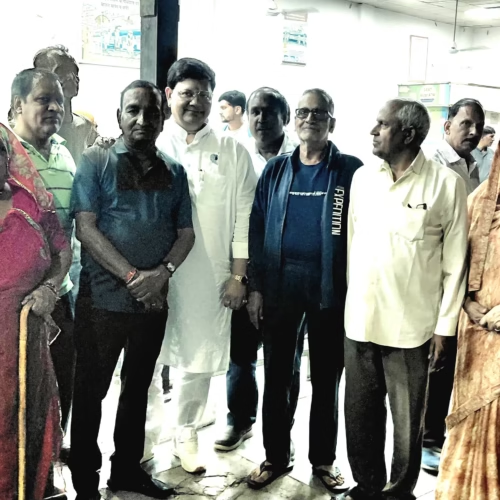
Lieutenant General Pushpendra Pal Singh, General Officer Commanding-in-Chief (GOC-in-C) of Western Command, attended the curtain-raiser event for MechTech Seminar 2.0 in Delhi and outlined the strategic thinking behind the initiative. Emphasising the need to adapt to the rapidly evolving technological landscape, he underlined that military modernisation cannot depend solely on the induction of new weapons and platforms. Equally important is the ability to upgrade existing equipment, integrate emerging technologies and extract greater operational capability from systems already in service.
The second edition of the seminar will focus on the theme “Transforming Existing Platforms for Future Combat.” The initiative builds on the foundation established by MechTech 1.0, which brought the Army, Indian industry and academia onto a common platform to explore technological solutions for military requirements. With the second edition, the approach is becoming more focused on operational challenges, practical innovation and the development of solutions that can address clearly identified battlefield needs.
Modern Warfare Is Changing, and Military Platforms Must Evolve
The character of warfare is undergoing a profound transformation. Unmanned aerial systems are increasingly being used for surveillance, reconnaissance, target acquisition and strike missions. Artificial intelligence is creating new possibilities for data analysis, decision support and automated functions. Precision weapons are changing engagement dynamics, while electronic warfare and increasingly contested electromagnetic environments are placing new demands on military equipment.
These developments are forcing armed forces worldwide to reconsider how they prepare for and conduct operations. Equipment that was originally designed for a different battlefield environment may require upgrades to remain effective against modern threats. Greater situational awareness, improved communications, better protection, enhanced targeting capabilities and stronger resilience against electronic and physical attacks are becoming increasingly important considerations.
Against this backdrop, MechTech Seminar 2.0 seeks to explore how existing combat platforms can be adapted to meet the requirements of future operations. Rather than treating modernisation exclusively as a process of replacing older systems with new ones, the initiative focuses on identifying opportunities to improve the performance and survivability of platforms already available to the Army.
This approach has particular significance in an era when military forces must balance operational readiness, technological advancement, acquisition timelines and financial resources. Carefully selected upgrades can potentially extend the useful service life of existing equipment while improving its relevance in a rapidly changing operational environment.
Lt Gen Pushpendra Pal Singh Highlights the Need for Practical Innovation
Addressing the curtain-raiser event, Lieutenant General Pushpendra Pal Singh emphasised that emerging technologies are changing the way wars are fought. However, he stressed that staying ahead requires more than simply developing new capabilities.
He explained that the Army must also identify smarter ways to make existing military platforms more effective, more lethal and more survivable. This, he indicated, is the central philosophy behind MechTech Seminar 2.0.
The Western Command chief highlighted the importance of connecting technological development with actual military requirements. The objective is not merely to identify new technologies and search for applications for them. Instead, the process begins with the problems encountered by soldiers and operational formations, followed by the identification of technological solutions that can address those challenges.
This distinction is important. A technology may appear promising in a laboratory or demonstration environment, but its military value ultimately depends on whether it can solve a genuine operational problem, function reliably under demanding conditions and integrate effectively with existing equipment and procedures.
By placing operational requirements at the beginning of the innovation process, MechTech 2.0 aims to encourage solutions that are relevant to the realities of military service rather than innovations driven solely by technological novelty.
From MechTech 1.0 to MechTech 2.0: A More Focused Approach
The first edition of MechTech established a common platform for interaction between the Indian Army, industry and academic institutions. Such collaboration is important because modern military challenges increasingly require expertise from multiple disciplines, including mechanical engineering, electronics, communications, artificial intelligence, robotics, materials science and software development.
Building on that foundation, MechTech Seminar 2.0 is adopting a more targeted and problem-oriented approach. The initiative seeks to translate operational challenges into clearly defined problem statements that Indian companies, startups and academic institutions can examine and address.
According to Lt Gen Singh, the Army has identified specific problems based on operational requirements and developed problem definition statements for sharing with potential solution providers.
The emphasis is on practical, affordable and innovative solutions. This creates an opportunity for Indian industry and research institutions to contribute ideas that can be assessed against the Army’s actual needs.
For startups and smaller technology enterprises, clearly articulated problem statements can provide a more direct understanding of the military’s requirements. For established defence companies, the initiative can help identify opportunities to develop upgrades, subsystems and technologies that improve the operational value of existing equipment.
Academic institutions can contribute through applied research, prototyping, testing and engineering expertise. Bringing these stakeholders together can help connect research and development with the practical requirements of military users.
The Bottom-Up Approach: Starting With Soldiers’ Problems
One of the defining features of MechTech Seminar 2.0 is its emphasis on a bottom-up approach to military innovation.
Traditionally, technology development can begin with the availability of a particular product or capability, followed by efforts to identify where it might be used. The approach described by Lt Gen Singh reverses this sequence.
The process begins by asking a fundamental question: What are the actual challenges soldiers face on the ground, and how can technology help overcome them?
Once an operational problem has been identified, the Army can define the required outcome and communicate the challenge to Indian industry, startups and academic institutions. Potential solutions can then be developed around the specific operational need.
This model can help ensure that technological proposals are evaluated according to their practical usefulness rather than their technical sophistication alone.
For example, an upgrade to an existing military platform may need to improve crew protection, communication reliability, situational awareness, maintenance efficiency or performance in a demanding environment. The exact requirements will depend on the operational problem identified by the Army; the seminar’s approach is intended to connect such requirements with potential indigenous solutions.
The bottom-up philosophy also recognises the importance of feedback from personnel who operate and maintain military equipment. Their experience can help identify limitations that may not be immediately apparent during laboratory development or conventional product demonstrations.
By bringing operational users and technology developers into closer contact, the initiative seeks to narrow the gap between what can be developed and what soldiers actually need.
Indigenous Industry and Startups at the Centre of Defence Innovation
MechTech Seminar 2.0 also highlights the growing importance of India’s domestic defence technology ecosystem.
The participation of Indian industry, startups and academic institutions can create opportunities to develop solutions tailored to the requirements of the Indian Army. It can also support the development of domestic engineering expertise and reduce dependence on external sources for selected technologies, components and upgrade capabilities.
The emphasis on indigenous solutions is particularly relevant as India continues to strengthen its defence manufacturing base and promote self-reliance in military technology. Domestic companies can contribute through the development of electronic subsystems, sensors, communication equipment, software, advanced materials and other technologies, depending on the specific requirements identified.
Startups can bring agility and specialised expertise in areas such as artificial intelligence, robotics, data processing and autonomous systems. Established manufacturers can contribute industrial-scale engineering, production experience and integration capabilities. Universities and research institutions can support the scientific and technical work required to test and validate new concepts.
However, transforming an innovative concept into a dependable military capability requires more than a promising prototype. Solutions must be evaluated for reliability, safety, maintainability, interoperability, environmental performance and suitability for operational use. They must also be assessed for their lifecycle costs and their ability to integrate with existing military platforms.
The problem-oriented structure of MechTech 2.0 is intended to help focus innovation on practical requirements and create a more direct connection between military users and technology developers.
Upgrading Existing Platforms: A Force Multiplier for Future Combat
Modernising existing platforms can provide an important route to enhancing military capability. Replacing every older platform with a completely new system is not always the fastest or most economical way to address emerging operational requirements.
In selected cases, targeted upgrades can improve performance while retaining useful elements of the original platform. These upgrades may involve better sensors, enhanced communications, improved situational awareness, upgraded protection, more effective electronic systems or other capabilities dictated by operational needs.
The objective is not simply to add more equipment. It is to ensure that upgrades deliver measurable improvements in operational effectiveness.
Survivability is another important consideration. As drones, precision weapons and surveillance systems become more widespread, military platforms may need better ways to detect threats, communicate under contested conditions, protect personnel and maintain their ability to perform assigned missions.
Likewise, improvements in lethality must be considered alongside accuracy, reliability, target identification, crew safety and operational integration. A platform’s combat effectiveness depends on how well its systems work together, not merely on the presence of an individual advanced component.
MechTech Seminar 2.0 places these broader questions within a framework that begins with operational challenges and seeks solutions through collaboration between military users and India’s technology ecosystem.
The initiative does not, by itself, establish which specific platforms will be upgraded or which technologies will ultimately be adopted. Those outcomes would depend on the problem statements, subsequent technical assessments, trials, procurement decisions and implementation processes.
Linking Battlefield Experience With Research and Development
The interaction between the Army, industry and academia is increasingly important in a technological environment where military requirements can evolve faster than conventional development cycles.
Operational personnel understand the practical challenges of using and maintaining equipment in demanding conditions. Engineers and manufacturers bring expertise in design, production and system integration. Academic researchers can contribute scientific analysis, experimentation and the development of new concepts.
A structured mechanism for cooperation can help these different perspectives inform one another. It can also allow technical teams to receive clearer feedback on whether a proposed solution addresses the problem for which it was developed.
For the Army, this can support a more user-oriented approach to capability enhancement. For industry, it can provide greater clarity on operational requirements. For research institutions, it can create opportunities to translate scientific work into applications with practical value.
The success of this model will ultimately depend on how effectively identified problems are translated into working prototypes, how rigorously those prototypes are tested and whether suitable solutions can be integrated into service.
A Step Towards More Responsive Military Modernisation
MechTech Seminar 2.0 represents an effort to make military innovation more closely aligned with the needs of the battlefield. Its focus on existing platforms, practical solutions and bottom-up problem identification reflects an approach in which technology is evaluated according to the operational advantage it can deliver.
The initiative also underlines the importance of collaboration in modern defence development. No single organisation possesses all the expertise required to address every technological challenge. By connecting the Army with Indian companies, startups and academic institutions, the seminar seeks to draw on a broader pool of engineering knowledge and innovation.
For India’s defence ecosystem, the opportunity lies in turning operational problem statements into dependable solutions that can be evaluated, refined and, where appropriate, adopted by the military.
As warfare continues to evolve, the ability to adapt existing equipment, incorporate relevant technologies and respond to the practical needs of soldiers will remain an important element of military preparedness.
With its theme, “Transforming Existing Platforms for Future Combat,” MechTech Seminar 2.0 places operational necessity at the centre of innovation. The message articulated by Lieutenant General Pushpendra Pal Singh is clear: future battlefield superiority will depend not only on the weapons and technologies a military develops, but also on how intelligently it improves the capabilities it already possesses.
By Defence Journalist Sahil | T.I.N. NETWORK
भविष्य के युद्धक्षेत्र के लिए भारतीय सेना की नई रणनीतिक सोच: मेकटेक सेमिनार 2.0 में मौजूदा सैन्य प्लेटफॉर्म को अधिक घातक, प्रभावी और सुरक्षित बनाने पर जोर
नई दिल्ली। आधुनिक युद्धों का स्वरूप तेजी से बदल रहा है। ड्रोन, आर्टिफिशियल इंटेलिजेंस (AI), सटीक मार करने वाले हथियार और उभरती सैन्य तकनीकें अब युद्धक्षेत्र की रणनीतियों, सैन्य अभियानों और हथियार प्रणालियों के इस्तेमाल के तौर-तरीकों को नया आकार दे रही हैं। ऐसे बदलते सुरक्षा परिवेश में भारतीय सेना का जोर केवल नई हथियार प्रणालियों और आधुनिक सैन्य उपकरणों को शामिल करने तक सीमित नहीं है, बल्कि पहले से सेवा में मौजूद सैन्य प्लेटफॉर्म को भी अधिक प्रभावी, अधिक घातक और युद्धक्षेत्र में अधिक सुरक्षित बनाने पर है। इसी सोच को आगे बढ़ाने की दिशा में मेकटेक सेमिनार 2.0 (MechTech Seminar 2.0) एक महत्वपूर्ण पहल के रूप में सामने आया है। दिल्ली में आयोजित इसके कर्टेन-रेजर कार्यक्रम में पश्चिमी कमान के जनरल ऑफिसर कमांडिंग-इन-चीफ लेफ्टिनेंट जनरल पुष्पेंद्र पाल सिंह शामिल हुए। उन्होंने स्पष्ट किया कि भविष्य के युद्धक्षेत्र में बढ़त बनाए रखने के लिए भारतीय सेना को नई तकनीकों के विकास के साथ मौजूदा सैन्य क्षमताओं का अधिक स्मार्ट और प्रभावी उपयोग करने के तरीके भी तलाशने होंगे।
इस पहल का मुख्य उद्देश्य भारतीय सेना की परिचालन संबंधी आवश्यकताओं को देश की तकनीकी क्षमता, स्वदेशी रक्षा उद्योग, स्टार्टअप और शैक्षणिक संस्थानों की विशेषज्ञता से जोड़ना है। इसके माध्यम से ऐसे व्यावहारिक, किफायती और नवाचार-आधारित समाधान तलाशने पर जोर दिया जा रहा है, जो सैनिकों को जमीन पर आने वाली वास्तविक चुनौतियों से निपटने में मदद कर सकें। सेमिनार का दूसरा संस्करण “Transforming Existing Platforms for Future Combat” यानी “भविष्य के युद्ध के लिए मौजूदा सैन्य प्लेटफॉर्म का रूपांतरण” थीम पर केंद्रित है।
आधुनिक युद्ध में बदल रही तकनीक की भूमिका
पिछले कुछ वर्षों में वैश्विक सैन्य परिदृश्य में तकनीक की भूमिका पहले से कहीं अधिक महत्वपूर्ण हो गई है। युद्धक्षेत्र में ड्रोन का इस्तेमाल निगरानी, टोही, लक्ष्य की पहचान और हमले जैसे विभिन्न कार्यों के लिए किया जा रहा है। आर्टिफिशियल इंटेलिजेंस बड़ी मात्रा में उपलब्ध सूचनाओं के विश्लेषण, निर्णय लेने में सहायता और विभिन्न सैन्य प्रणालियों की कार्यक्षमता बढ़ाने की नई संभावनाएं प्रस्तुत कर रहा है। वहीं, सटीक मार करने वाले हथियारों ने लक्ष्य पर प्रभावी प्रहार करने की क्षमता को एक नया आयाम दिया है।
इसके साथ ही इलेक्ट्रॉनिक वॉरफेयर, संचार प्रणालियों में व्यवधान, आधुनिक निगरानी तकनीक और तेजी से विकसित होते मानवरहित प्लेटफॉर्म ने सैन्य उपकरणों के सामने नई चुनौतियां खड़ी की हैं। अब किसी सैन्य प्लेटफॉर्म की प्रभावशीलता केवल उसकी मारक क्षमता से निर्धारित नहीं होती, बल्कि इस बात से भी तय होती है कि वह बदलते युद्धक्षेत्र में कितनी प्रभावी निगरानी कर सकता है, कितनी विश्वसनीयता के साथ संचार बनाए रख सकता है और संभावित खतरों के बीच अपने मिशन को कितनी प्रभावी ढंग से पूरा कर सकता है।
ऐसे परिदृश्य में मौजूदा सैन्य प्लेटफॉर्म को आधुनिक तकनीकों के अनुरूप उन्नत बनाना सैन्य आधुनिकीकरण का एक महत्वपूर्ण हिस्सा बन गया है। प्रत्येक पुराने प्लेटफॉर्म को नए सिस्टम से बदलना हमेशा सबसे तेज या किफायती विकल्प नहीं होता। कई परिस्थितियों में लक्षित तकनीकी उन्नयन के माध्यम से पहले से उपलब्ध उपकरणों की क्षमता में उल्लेखनीय सुधार किया जा सकता है।
मेकटेक सेमिनार 2.0 इसी व्यापक आवश्यकता को ध्यान में रखते हुए सैन्य आधुनिकीकरण के लिए समाधान तलाशने की दिशा में काम कर रहा है।
लेफ्टिनेंट जनरल पुष्पेंद्र पाल सिंह ने बताई मेकटेक 2.0 की सोच
सेमिनार के कर्टेन-रेजर कार्यक्रम को संबोधित करते हुए पश्चिमी कमान के सेना कमांडर लेफ्टिनेंट जनरल पुष्पेंद्र पाल सिंह ने कहा कि ड्रोन, आर्टिफिशियल इंटेलिजेंस, सटीक हथियार और अन्य उभरती तकनीकें वर्तमान दौर में युद्ध लड़ने के तरीके को बदल रही हैं। ऐसे में आगे बने रहने के लिए केवल नई क्षमताओं का विकास करना पर्याप्त नहीं है, बल्कि मौजूदा सैन्य प्लेटफॉर्म को अधिक प्रभावी, अधिक घातक और अधिक सुरक्षित बनाने के बेहतर तरीके भी तलाशने होंगे।
उन्होंने बताया कि यही विचार मेकटेक सेमिनार 2.0 के पीछे काम कर रहा है। पिछले वर्ष आयोजित मेकटेक 1.0 ने भारतीय सेना, देश के उद्योग जगत और शैक्षणिक संस्थानों को एक साझा मंच पर लाने का काम किया था। अब उसी पहल को आगे बढ़ाते हुए दूसरे संस्करण में अधिक केंद्रित और व्यावहारिक दृष्टिकोण अपनाया जा रहा है।
लेफ्टिनेंट जनरल सिंह के अनुसार, इस पहल का उद्देश्य भारतीय तकनीक और नवाचार की सर्वोत्तम क्षमताओं का उपयोग करके मौजूदा सैन्य प्लेटफॉर्म को भविष्य के युद्धक्षेत्र में निर्णायक बढ़त दिलाना है।
उनके संबोधन का महत्वपूर्ण पहलू यह था कि तकनीकी विकास को सीधे सैनिकों की परिचालन आवश्यकताओं से जोड़ने पर जोर दिया गया। उनका दृष्टिकोण इस बात पर आधारित है कि तकनीक का चयन केवल उसकी उपलब्धता या नवीनता के आधार पर नहीं होना चाहिए। सबसे पहले यह समझना जरूरी है कि सैनिकों को जमीन पर किन वास्तविक समस्याओं का सामना करना पड़ता है और उन समस्याओं का समाधान तकनीक के माध्यम से किस प्रकार किया जा सकता है।
मेकटेक 1.0 से 2.0 तक: तकनीक से आगे बढ़कर वास्तविक सैन्य जरूरतों पर फोकस
मेकटेक सेमिनार के पहले संस्करण ने भारतीय सेना, उद्योग जगत और अकादमिक संस्थानों के बीच संवाद तथा सहयोग के लिए एक साझा मंच उपलब्ध कराया था। आधुनिक सैन्य चुनौतियों का समाधान अक्सर किसी एक क्षेत्र की विशेषज्ञता से संभव नहीं होता। इसके लिए इंजीनियरिंग, इलेक्ट्रॉनिक्स, संचार, सॉफ्टवेयर, रोबोटिक्स, आर्टिफिशियल इंटेलिजेंस और अन्य तकनीकी क्षेत्रों के विशेषज्ञों के संयुक्त प्रयास की आवश्यकता होती है।
मेकटेक 2.0 इसी सहयोग को अधिक व्यावहारिक रूप देने का प्रयास है। इसमें सेना की परिचालन आवश्यकताओं के आधार पर विशिष्ट समस्याओं की पहचान की गई है और उनके लिए स्पष्ट समस्या-विवरण यानी प्रॉब्लम डेफिनिशन स्टेटमेंट तैयार किए गए हैं। इन समस्याओं को भारतीय उद्योग, स्टार्टअप और शैक्षणिक संस्थानों के साथ साझा किया जा रहा है, ताकि वे अपनी विशेषज्ञता के अनुरूप संभावित समाधान विकसित कर सकें।
यह दृष्टिकोण इसलिए महत्वपूर्ण है, क्योंकि किसी तकनीक का वास्तविक सैन्य महत्व केवल उसकी प्रयोगशाला में दिखाई देने वाली क्षमता से निर्धारित नहीं होता। उसकी उपयोगिता इस बात पर निर्भर करती है कि वह वास्तविक परिस्थितियों में कितनी विश्वसनीय है, सैनिकों की जरूरतों को किस हद तक पूरा करती है और मौजूदा सैन्य प्रणालियों के साथ कितनी प्रभावी ढंग से काम कर सकती है।
इसीलिए मेकटेक 2.0 में ऐसी तकनीक और नवाचार को प्राथमिकता देने की सोच सामने रखी गई है, जो सैन्य उपयोग के लिए व्यावहारिक हों और वास्तविक परिचालन समस्याओं का समाधान प्रस्तुत कर सकें।
बॉटम-अप अप्रोच: सैनिकों की समस्या से शुरू होगा तकनीकी समाधान
मेकटेक सेमिनार 2.0 की सबसे महत्वपूर्ण विशेषताओं में इसका बॉटम-अप अप्रोच है। लेफ्टिनेंट जनरल पुष्पेंद्र पाल सिंह ने बताया कि इस पहल में केवल उपलब्ध तकनीकों को देखकर उनके संभावित इस्तेमाल तलाशने के बजाय पहले सैनिकों की वास्तविक समस्याओं को समझने पर ध्यान दिया जा रहा है।
इस प्रक्रिया का मूल प्रश्न है कि जमीन पर तैनात सैनिकों को किन चुनौतियों का सामना करना पड़ता है और तकनीक उन चुनौतियों को दूर करने में किस प्रकार मदद कर सकती है।
इस दृष्टिकोण के तहत पहले परिचालन समस्या की पहचान की जाती है। इसके बाद आवश्यक परिणाम को स्पष्ट करते हुए संबंधित समस्या का विवरण तैयार किया जाता है और संभावित समाधान विकसित करने के लिए इसे भारतीय उद्योग, स्टार्टअप तथा अकादमिक संस्थानों के साथ साझा किया जाता है।
इससे तकनीकी विशेषज्ञों को यह समझने में मदद मिलती है कि सेना को वास्तव में किस प्रकार की क्षमता की जरूरत है। साथ ही, समाधान विकसित करने की प्रक्रिया को स्पष्ट परिचालन आवश्यकताओं से जोड़ने का अवसर मिलता है।
उदाहरण के तौर पर, किसी मौजूदा सैन्य प्लेटफॉर्म में सुधार की आवश्यकता चालक दल की सुरक्षा, संचार की विश्वसनीयता, निगरानी क्षमता, रखरखाव की सुविधा या चुनौतीपूर्ण परिस्थितियों में उसकी कार्यक्षमता से संबंधित हो सकती है। हालांकि, वास्तविक जरूरतों और उन्नयन के क्षेत्रों का निर्धारण सेना द्वारा पहचानी गई विशिष्ट समस्याओं के आधार पर ही किया जाएगा।
इस प्रकार का दृष्टिकोण उन सैनिकों के अनुभव को भी महत्व देता है, जो सैन्य उपकरणों का वास्तविक परिस्थितियों में इस्तेमाल और रखरखाव करते हैं। उनके अनुभव से उपकरणों की व्यावहारिक सीमाओं और सुधार की संभावनाओं को समझने में मदद मिल सकती है।
स्वदेशी रक्षा उद्योग और स्टार्टअप की भूमिका होगी अहम
मेकटेक 2.0 भारतीय रक्षा उद्योग और घरेलू तकनीकी इकोसिस्टम के लिए भी महत्वपूर्ण अवसर प्रस्तुत करता है। भारतीय कंपनियों, स्टार्टअप और शोध संस्थानों की भागीदारी से सेना की जरूरतों के अनुरूप नए समाधान विकसित करने की संभावनाएं बढ़ सकती हैं।
स्वदेशी तकनीकी क्षमता को मजबूत करने का महत्व इसलिए भी बढ़ गया है, क्योंकि आधुनिक सैन्य प्रणालियों में इलेक्ट्रॉनिक्स, सेंसर, संचार उपकरण, सॉफ्टवेयर और अन्य उन्नत तकनीकों की भूमिका लगातार बढ़ रही है। इन क्षेत्रों में घरेलू विशेषज्ञता का विकास भारत की रक्षा उत्पादन क्षमता और तकनीकी आत्मनिर्भरता को मजबूती दे सकता है।
स्टार्टअप आर्टिफिशियल इंटेलिजेंस, रोबोटिक्स, डेटा प्रोसेसिंग और स्वायत्त प्रणालियों जैसे क्षेत्रों में नए विचार और विशेषज्ञता ला सकते हैं। स्थापित रक्षा कंपनियां औद्योगिक स्तर पर उत्पादन, इंजीनियरिंग और सिस्टम इंटीग्रेशन में योगदान दे सकती हैं। वहीं, विश्वविद्यालय और शोध संस्थान तकनीकी अनुसंधान, प्रोटोटाइप तैयार करने और संभावित समाधानों के परीक्षण में भूमिका निभा सकते हैं।
हालांकि, किसी तकनीकी विचार को विश्वसनीय सैन्य क्षमता में बदलने के लिए केवल एक सफल प्रोटोटाइप पर्याप्त नहीं होता। संबंधित समाधान की विश्वसनीयता, सुरक्षा, रखरखाव, मौजूदा प्रणालियों के साथ अनुकूलता और वास्तविक परिचालन परिस्थितियों में उपयोगिता का मूल्यांकन भी आवश्यक होता है।
मेकटेक 2.0 का समस्या-केंद्रित दृष्टिकोण इन आवश्यकताओं को ध्यान में रखते हुए तकनीकी विकास और सैन्य जरूरतों के बीच बेहतर तालमेल स्थापित करने का प्रयास करता है।
मौजूदा सैन्य प्लेटफॉर्म का आधुनिकीकरण क्यों महत्वपूर्ण है?
सैन्य आधुनिकीकरण का अर्थ केवल नए हथियारों, नए वाहनों या नई प्रणालियों को शामिल करना नहीं है। इसका एक महत्वपूर्ण पहलू पहले से उपलब्ध सैन्य संसाधनों की क्षमता को समय और जरूरत के अनुसार उन्नत बनाना भी है।
कई बार किसी मौजूदा प्लेटफॉर्म में लक्षित सुधार करके उसकी उपयोगिता और परिचालन क्षमता बढ़ाई जा सकती है। ऐसे सुधारों में जरूरत के अनुसार बेहतर सेंसर, उन्नत संचार प्रणाली, बेहतर परिस्थितिजन्य जागरूकता, सुरक्षा में सुधार या अन्य तकनीकी क्षमताओं को शामिल किया जा सकता है।
हालांकि, किसी भी उन्नयन का उद्देश्य केवल उपकरणों की संख्या बढ़ाना नहीं, बल्कि वास्तविक परिचालन प्रभावशीलता में सुधार करना होना चाहिए।
आधुनिक युद्धक्षेत्र में प्लेटफॉर्म की सुरक्षा और उसकी मिशन पूरा करने की क्षमता भी महत्वपूर्ण है। ड्रोन और सटीक हथियारों के बढ़ते इस्तेमाल के बीच सैन्य प्रणालियों को ऐसे वातावरण में काम करने की जरूरत पड़ सकती है, जहां निगरानी, संचार और खतरे से बचाव की चुनौतियां पहले से अधिक जटिल हों।
इसी तरह, मारक क्षमता बढ़ाने के साथ सटीकता, विश्वसनीयता, चालक दल की सुरक्षा और अन्य सैन्य प्रणालियों के साथ तालमेल का ध्यान रखना आवश्यक है। किसी प्लेटफॉर्म की प्रभावशीलता केवल एक आधुनिक उपकरण पर निर्भर नहीं करती, बल्कि इस बात पर भी निर्भर करती है कि उसकी विभिन्न प्रणालियां एक साथ कितनी अच्छी तरह काम करती हैं।
मेकटेक 2.0 इसी व्यापक सोच के तहत मौजूदा सैन्य प्लेटफॉर्म को भविष्य की आवश्यकताओं के अनुरूप बेहतर बनाने के लिए समाधान तलाशने पर केंद्रित है।
सेना, उद्योग और अकादमिक जगत के बीच सहयोग को मिलेगा नया आयाम
आधुनिक रक्षा तकनीक के विकास में सेना, उद्योग और शैक्षणिक संस्थानों के बीच सहयोग की भूमिका लगातार महत्वपूर्ण होती जा रही है। सैन्यकर्मी परिचालन परिस्थितियों और उपकरणों के इस्तेमाल से जुड़ी वास्तविक चुनौतियों को समझते हैं। इंजीनियर और उद्योग विशेषज्ञ तकनीकी डिजाइन, निर्माण और सिस्टम इंटीग्रेशन में अनुभव रखते हैं। वहीं, शोध संस्थान वैज्ञानिक विश्लेषण, प्रयोग और नए तकनीकी विचारों के विकास में योगदान दे सकते हैं।
जब इन सभी पक्षों को एक साझा मंच पर लाया जाता है, तो सैन्य जरूरतों और तकनीकी क्षमताओं के बीच बेहतर तालमेल स्थापित करने की संभावनाएं बढ़ती हैं।
सेना अपनी आवश्यकताओं को अधिक स्पष्ट रूप से सामने रख सकती है, उद्योग उन जरूरतों के अनुरूप समाधान विकसित कर सकता है और अकादमिक संस्थान संबंधित अनुसंधान में योगदान दे सकते हैं।
हालांकि, इस सहयोग की वास्तविक सफलता इस बात पर निर्भर करेगी कि पहचानी गई समस्याओं के लिए कितने प्रभावी समाधान विकसित होते हैं, उनका परीक्षण कितना सफल रहता है और उपयुक्त समाधानों को सैन्य सेवा में शामिल करने की प्रक्रिया किस प्रकार आगे बढ़ती है।
मेकटेक 2.0 इस दिशा में संवाद, तकनीकी सहयोग और समस्या-आधारित नवाचार के लिए एक मंच प्रदान करने का प्रयास है।
भविष्य के युद्धक्षेत्र के लिए क्षमता विकास की दिशा में महत्वपूर्ण पहल
मेकटेक सेमिनार 2.0 भारतीय सेना के सैन्य आधुनिकीकरण के उस पहलू को रेखांकित करता है, जिसमें मौजूदा संसाधनों की क्षमता बढ़ाने और तकनीकी नवाचार को वास्तविक परिचालन आवश्यकताओं से जोड़ने पर जोर दिया जा रहा है।
इस पहल का महत्व केवल नई तकनीक तलाशने तक सीमित नहीं है। इसका उद्देश्य ऐसी तकनीक और समाधान विकसित करने की संभावनाओं को आगे बढ़ाना है, जो सैनिकों की वास्तविक समस्याओं का समाधान कर सकें और मौजूदा सैन्य प्लेटफॉर्म की उपयोगिता को बढ़ा सकें।
इसके साथ ही यह पहल भारतीय रक्षा उद्योग, स्टार्टअप और अकादमिक संस्थानों को सैन्य आवश्यकताओं के अनुरूप नवाचार करने का अवसर प्रदान करती है। यदि पहचानी गई समस्याओं के लिए प्रभावी और विश्वसनीय समाधान विकसित होते हैं, तो इससे भविष्य में सैन्य उपकरणों के आधुनिकीकरण और घरेलू तकनीकी क्षमता को मजबूती देने की संभावनाएं बढ़ सकती हैं।
फिलहाल इस पहल के तहत किन विशिष्ट सैन्य प्लेटफॉर्म को उन्नत किया जाएगा और कौन-सी तकनीकें अपनाई जाएंगी, इसका निर्धारण संबंधित समस्या-विवरण, तकनीकी मूल्यांकन, परीक्षण और आगे की प्रक्रियाओं पर निर्भर करेगा।
लेकिन इसकी मूल सोच स्पष्ट है—भविष्य के युद्धक्षेत्र में बढ़त बनाए रखने के लिए केवल नए हथियारों का विकास ही पर्याप्त नहीं होगा। मौजूदा क्षमताओं को समझदारी से उन्नत बनाना, तकनीकी नवाचार को सैनिकों की जरूरतों से जोड़ना और स्वदेशी समाधानों को प्रोत्साहित करना भी उतना ही महत्वपूर्ण होगा।
“Transforming Existing Platforms for Future Combat” की थीम के साथ मेकटेक सेमिनार 2.0 इसी सोच को आगे बढ़ाता है। लेफ्टिनेंट जनरल पुष्पेंद्र पाल सिंह के संदेश का सार यही है कि भविष्य की सैन्य बढ़त केवल नई तकनीक विकसित करने से नहीं, बल्कि उपलब्ध क्षमताओं को अधिक प्रभावी, अधिक घातक और अधिक सुरक्षित बनाने के लिए उनका बेहतर उपयोग करने से भी हासिल होगी।
BY DEFENCE JOURNALIST SAHIL | T.I.N. NETWORK