




राजकीय विधि महाविद्यालय में आपराधिक मूट कोर्ट से जीवंत हुआ न्यायालयीन परिवेश
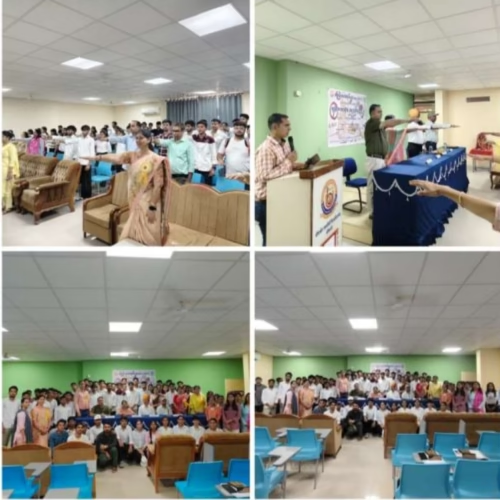
दिनांक 14 फरवरी 2026 को में एक व्यापक आपराधिक मूट कोर्ट का आयोजन किया गया, जिसने महाविद्यालय परिसर को वास्तविक न्यायालयीन वातावरण में परिवर्तित कर दिया। यह मूट कोर्ट राज्य बनाम राजाराम व अन्य प्रकरण पर आधारित था, जो भारतीय न्याय संहिता, 2023 की धारा 329, 115(2), 116(2) तथा 103 सहपठित 3(5) के अंतर्गत आयोजित किया गया। इस आयोजन का उद्देश्य विधि विद्यार्थियों को आपराधिक न्याय प्रणाली की व्यवहारिक समझ प्रदान करना तथा उन्हें वास्तविक अदालती कार्यवाही से परिचित कराना रहा।
शैक्षणिक दृष्टि और प्राध्यापकों का मार्गदर्शन
इस मूट कोर्ट का सफल मंचन महाविद्यालय के सहायक आचार्य डॉ. रितु चौधरी, डॉ. मल्लिका परवीन और डॉ. रेखा आचार्य के निर्देशन में किया गया। प्राध्यापकों ने पूरे आयोजन को विधिक अनुशासन, न्यायालयीन मर्यादा और प्रक्रिया के अनुरूप संचालित कराया, जिससे विद्यार्थियों को सैद्धांतिक ज्ञान के साथ-साथ व्यावहारिक विधि की सटीक समझ विकसित करने का अवसर मिला। उनका मार्गदर्शन मूट कोर्ट को वास्तविक अदालत के समान प्रभावी और शिक्षाप्रद बनाने में निर्णायक रहा।
अभियोजन और बचाव पक्ष की सशक्त प्रस्तुति
मूट कोर्ट के दौरान विद्यार्थियों ने अभियोजन तथा बचाव पक्ष की ओर से सशक्त और तर्कपूर्ण दलीलें प्रस्तुत कीं। आरोपों, साक्ष्यों और कानूनी प्रावधानों के आधार पर हुई बहस ने न्यायालयीन कार्यवाही का जीवंत प्रदर्शन किया। विद्यार्थियों ने जिरह, प्रतिपरीक्षण और अंतिम तर्कों के माध्यम से यह प्रदर्शित किया कि आपराधिक मामलों में तथ्य, साक्ष्य और विधिक व्याख्या किस प्रकार निर्णायक भूमिका निभाते हैं।
नई आपराधिक संहिताओं पर विस्तृत विधिक विमर्श
इस मूट कोर्ट की एक महत्वपूर्ण विशेषता यह रही कि इसके माध्यम से भारतीय न्याय संहिता, भारतीय नागरिक सुरक्षा संहिता तथा भारतीय साक्ष्य अधिनियम, 2023 की विस्तृत विधिक व्याख्या पर गहन चर्चा हुई। विद्यार्थियों ने इन नवीन कानूनों के प्रावधानों, उद्देश्य और उनके व्यावहारिक अनुप्रयोग पर विचार-विमर्श किया, जिससे उन्हें समकालीन आपराधिक न्याय व्यवस्था की गहरी समझ प्राप्त हुई।
मुख्य अतिथि का प्रेरक संबोधन
कार्यक्रम के मुख्य अतिथि , वरिष्ठ अधिवक्ता एवं के अध्यक्ष रहे। अपने संबोधन में उन्होंने कहा कि मूट कोर्ट विधि शिक्षा का अभिन्न अंग है, जो विद्यार्थियों में तार्किक क्षमता, न्यायिक दृष्टिकोण और पेशेवर आत्मविश्वास का विकास करता है। उन्होंने विद्यार्थियों को निरंतर अभ्यास और व्यावहारिक अनुभव के माध्यम से कुशल अधिवक्ता बनने की प्रेरणा दी।
प्राचार्य का संदेश और संस्थागत दृष्टिकोण
महाविद्यालय के प्राचार्य प्रोफेसर भगवान राम बिश्नोई ने विद्यार्थियों को इस प्रकार की शैक्षणिक गतिविधियों में सक्रिय सहभागिता के लिए प्रेरित किया। उन्होंने कहा कि व्यवहारिक प्रशिक्षण के बिना विधि शिक्षा अधूरी है और मूट कोर्ट जैसे आयोजन विद्यार्थियों को न्यायिक प्रणाली के लिए तैयार करने में महत्वपूर्ण भूमिका निभाते हैं।
विद्यार्थियों द्वारा निभाई गई न्यायालयीन भूमिकाएँ
मूट कोर्ट में सत्र न्यायाधीश की भूमिका वीरेंद्र सिंह द्वारा और मजिस्ट्रेट की भूमिका दीपांशु सक्सेना द्वारा निभाई गई। अधिवक्ताओं की भूमिका मनमोहित, महेंद्र मेघवाल, ख्याति तंवर, शबाना, पीयूष सोनी और ऋषि कुमार शर्मा ने प्रभावी ढंग से निभाई, जिससे न्यायालयीन बहस और कार्यवाही अत्यंत वास्तविक प्रतीत हुई।
गवाहों की प्रस्तुति से बढ़ी प्रकरण की गंभीरता
प्रकरण को यथार्थ रूप देने के लिए गवाहों की भूमिका मुकुंद पुरोहित, पूजा नायक, कृष्ण कुमार गोदारा, धनसुख मेघवाल, रमेश, खुशी भादाणी, दिनेश बेनीवाल, स्नेहा व्यास, ज्योति शेखावत, मेघा व्यास, रविंद्र और राजेश गदर द्वारा निभाई गई। गवाहों के परीक्षण और प्रतिपरीक्षण से विद्यार्थियों को साक्ष्य कानून की व्यवहारिक बारीकियों को समझने का अवसर मिला।
न्यायालयीन प्रशासनिक भूमिकाओं का प्रभावी निर्वहन
मूट कोर्ट के दौरान स्टेनोग्राफर और पेशकार की भूमिका हर्षिता भाटी और डिंपल, जबकि न्यायालयीन सहयोगी के रूप में अंजली मिश्रा और तनु शर्मा ने कार्य किया। हलकारे की महत्वपूर्ण भूमिका दिनेश बेनीवाल द्वारा निभाई गई, जिससे न्यायालयीन प्रक्रिया की पूर्ण संरचना का अनुभव संभव हो सका।
औपचारिक समापन और धन्यवाद ज्ञापन
कार्यक्रम के अंत में प्रोफेसर कुमुद जैन द्वारा धन्यवाद ज्ञापन प्रस्तुत किया गया, जिसमें उन्होंने मुख्य अतिथि, प्राध्यापकों, आयोजन समिति और सभी विद्यार्थियों के योगदान के लिए आभार व्यक्त किया। उन्होंने कहा कि इस प्रकार के आयोजन विद्यार्थियों के सर्वांगीण विकास में सहायक सिद्ध होते हैं।
विद्यार्थियों में बढ़ता विधिक उत्साह
इस आपराधिक मूट कोर्ट के आयोजन से विद्यार्थियों में विधिक ज्ञान के प्रति उत्साह और न्यायालयीन प्रक्रिया के प्रति विशेष रुचि देखने को मिली। यह आयोजन न केवल शैक्षणिक दृष्टि से महत्वपूर्ण रहा, बल्कि इसने भावी विधि पेशेवरों को वास्तविक न्यायालयीन चुनौतियों के लिए तैयार करने की दिशा में एक सशक्त कदम भी साबित किया।
Criminal Moot Court Brings Courtroom Experience to Campus at Government Law College
A comprehensive Criminal Moot Court was successfully organized at on 14 February 2026, transforming the academic environment into a live courtroom simulation and offering students an immersive exposure to criminal trial procedures. The moot court was conducted on the case State vs Rajaram & Others, framed under relevant provisions of the Bharatiya Nyaya Sanhita, 2023, including Sections 329, 115(2), 116(2), and 103 read with 3(5). The initiative was aimed at strengthening students’ understanding of substantive and procedural criminal law by moving beyond textbooks into practical legal application.
Academic Vision and Faculty Guidance Behind the Moot Court
The moot court was conceptualized and meticulously directed under the academic guidance of Assistant Professors , , and . Their supervision ensured that the proceedings mirrored real-life courtroom standards, including filing of arguments, examination of witnesses, judicial decorum, and legal reasoning. The core objective was to provide law students with hands-on exposure to judicial processes while nurturing analytical thinking, advocacy skills, and confidence in court craft.
Realistic Courtroom Simulation by Law Students
Students participating in the moot court portrayed the roles of prosecution and defense with remarkable clarity and conviction. Through structured submissions, oral arguments, and counter-arguments, the students demonstrated a deep engagement with the facts and law involved in the case. The proceedings reflected a high level of preparation and discipline, giving the audience a vivid demonstration of how criminal trials unfold in actual courts. This live enactment allowed students to experience the pressures and responsibilities associated with courtroom advocacy, including adherence to procedural rules and ethical conduct.
In-Depth Legal Interpretation of New Criminal Laws
A key highlight of the moot court was the detailed legal discussion on the Bharatiya Nyaya Sanhita, Bharatiya Nagarik Suraksha Sanhita, and the Bharatiya Sakshya Adhiniyam, 2023. Through the case narrative, students and faculty engaged in interpretative debates on the scope, intent, and application of the newly enacted criminal laws. The exercise enabled participants to critically analyze legislative changes and understand how these statutes will shape future criminal jurisprudence in India.
Eminent Legal Voice Highlights Importance of Moot Courts
The event was graced by , Senior Advocate and President of the , as the Chief Guest. In his address, he emphasized that moot courts form the backbone of legal education, as they cultivate logical reasoning, judicial temperament, and professional confidence among students. He encouraged aspiring lawyers to treat moot courts as a rehearsal for real-world litigation and to continuously refine their advocacy skills through such platforms.
Institutional Encouragement for Practical Legal Education
College Principal motivated students to actively participate in experiential learning activities like moot courts, legal aid camps, and internships. He underlined that practical exposure is essential for producing competent legal professionals capable of serving the justice system with integrity and expertise. His message reinforced the institution’s commitment to holistic legal education aligned with contemporary judicial needs.
Students Bring Judicial Roles to Life
The moot court witnessed impressive role-play by students assigned judicial and legal positions. The role of Sessions Judge was portrayed by Virendra Singh, while Deepanshu Saxena enacted the role of Magistrate. The advocates’ roles were performed by Manmohit, Mahendra Meghwal, Khyati Tanwar, Shabana, Piyush Soni, and Rishi Kumar Sharma, each demonstrating command over legal arguments and courtroom etiquette. Their performances contributed significantly to the authenticity of the proceedings.
Witness Examination Adds Depth to the Proceedings
A wide range of students took on the roles of prosecution and defense witnesses, adding complexity and realism to the trial. Witnesses were portrayed by Mukund Purohit, Pooja Nayak, Krishna Kumar Godara, Dhansukh Meghwal, Ramesh, Khushi Bhadani, Dinesh Beniwal, Sneha Vyas, Jyoti Shekhawat, Megha Vyas, Ravindra, and Rajesh Gadar. Through examination and cross-examination, the witnesses helped demonstrate the evidentiary process and the importance of credibility, consistency, and legal scrutiny in criminal trials.
Court Administration Roles Highlight Procedural Nuances
To complete the courtroom ecosystem, students also performed administrative roles with precision. Harshita Bhati and Dimple acted as Stenographers and Court Clerks, while Anjali Mishra and Tanu Sharma assisted in court management. The role of Court Orderly (Halkara) was effectively played by Dinesh Beniwal, highlighting the often-overlooked but critical support functions within judicial proceedings.
Formal Conclusion and Acknowledgment
The programme concluded with a formal vote of thanks delivered by , who expressed gratitude to the chief guest, faculty members, organizing team, and participating students for their collective efforts in making the moot court a success. She acknowledged the dedication and enthusiasm displayed by students and faculty alike in promoting experiential learning.
Growing Student Enthusiasm for Courtroom Practice
The moot court left a visible impact on the student community, generating heightened interest in legal procedures and courtroom practice. The event reinforced the belief that such academic exercises are instrumental in bridging the gap between theory and practice, preparing students to confidently step into the legal profession. The Criminal Moot Court at Government Law College thus stood as a testament to the institution’s focus on nurturing competent, informed, and practice-ready future advocates.


Add Comment