



IAS Aparna Gupta Leads Rajasthan’s Water Heritage Revival, Turning Traditional Stepwells and Ponds into a Community-Led Conservation Movement
By Defence Journalist Sahil | T.I.N. NETWORK
KOTPUTLI-BEHROR TURNS TO ITS WATER HERITAGE TO CONFRONT A MODERN WATER CRISIS
In a state where water scarcity has shaped livelihoods, settlement patterns and social life for centuries, Rajasthan is now looking towards its own traditional wisdom to address the challenges of the future. In Kotputli-Behror, the district administration under District Collector Aparna Gupta, a 2018-batch IAS officer, has initiated an ambitious community-driven campaign to revive the region’s traditional water conservation systems. The initiative places historic stepwells, ponds, wells and other traditional water bodies at the centre of a broader strategy for water conservation, environmental responsibility and heritage preservation. Rather than treating these structures simply as remnants of the past, the administration is seeking to restore them as functional community assets capable of contributing to the district’s long-term water security.
TRADITIONAL BAWDIS SEEN AS SCIENTIFIC WATER MANAGEMENT SYSTEMS
For generations, Rajasthan’s communities developed sophisticated methods of collecting, storing and conserving water in response to the state’s harsh climatic conditions. Stepwells, locally known as bawdis, along with ponds, wells and traditional reservoirs, were carefully integrated into community life. These structures were designed not merely for accessing water but also for managing scarce rainfall and sustaining communities through difficult periods. District Collector Aparna Gupta has emphasised that these historic water structures should not be viewed merely as monuments. According to her, they represent centuries-old knowledge of scientific water management and can once again become important instruments of conservation if they are restored and maintained through active public participation.
SHIV MANDIR TALAB BAWDI BECOMES THE CENTRE OF A PEOPLE-POWERED CAMPAIGN
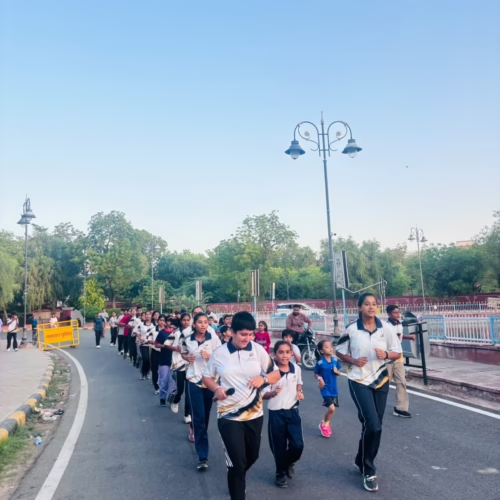
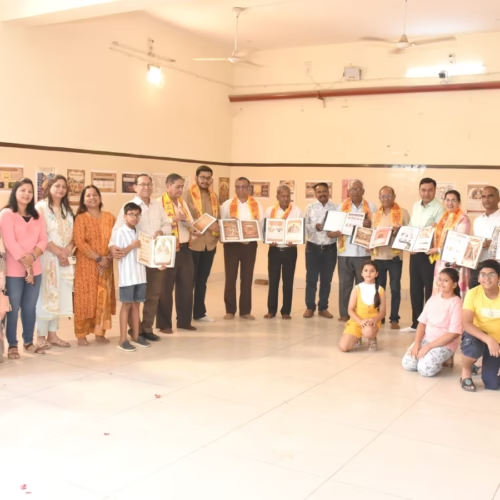
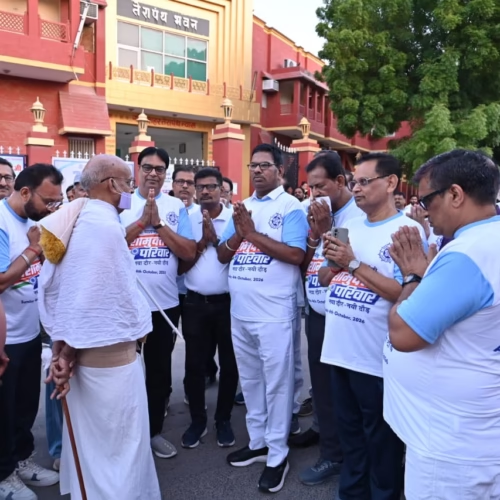
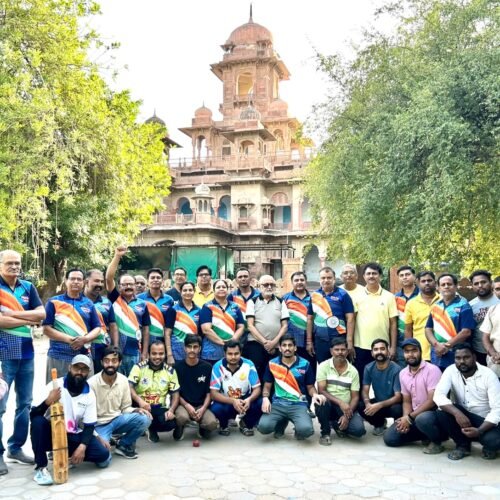
The campaign gained momentum with a major cleanliness, voluntary labour and public awareness drive at the historic Shiv Mandir Talab Bawdi, also known as Ganga Sagar Talab. The programme was organised by the District Administration Kotputli-Behror and Kotputli Municipal Council, with support from UNICEF and Bawdi Baisa. What made the initiative particularly significant was the scale of community participation. Students, young people, social organisations, local residents and people from different sections of society came together to remove waste and clean the surroundings of the traditional water body. The campaign transformed what could have been a routine cleanliness exercise into a larger public movement centred on the idea that protecting water sources is a shared social responsibility.
FROM CLEANLINESS DRIVE TO LONG-TERM WATER CONSERVATION MODEL
The administration has made it clear that the campaign is not intended to remain limited to a single event or a single water body. The broader objective is to establish a permanent and participatory system of water conservation throughout Kotputli-Behror. The administration is preparing a phased plan under which historical water bodies across the district will be identified, cleaned, restored and subsequently maintained. The approach is designed to ensure that restoration does not end once accumulated waste is removed. Instead, local communities are expected to play an ongoing role in protecting and maintaining these water sources, creating a model in which government institutions and citizens work together rather than operating separately.
SHRAMDAAN AT THE HEART OF THE REVIVAL EFFORT
One of the most important elements of the campaign is the emphasis on Shramdaan, or voluntary community labour. Regular Shramdaan drives are proposed as part of the district’s continuing conservation strategy, with local residents, youth groups, NGOs and social organisations being encouraged to participate. The concept goes beyond providing manpower for cleaning and restoration. It seeks to establish emotional and social ownership of traditional water bodies among the communities living around them. When residents themselves participate in cleaning and protecting a pond or stepwell, the water body is no longer viewed solely as government property; it becomes a shared community resource whose survival depends on collective responsibility.
YOUTH AND STUDENTS EMERGE AS KEY PARTNERS IN THE MOVEMENT
The involvement of students and young people gives the campaign a particularly important long-term dimension. Rajasthan’s traditional water systems cannot be preserved only through government orders or infrastructure spending. Their survival also depends on creating awareness among a new generation about the relationship between water, environment, culture and community life. By bringing students and youth into cleanliness and awareness activities, the administration is attempting to build conservation habits that can extend beyond individual events. Young participants can become ambassadors for responsible water use, rainwater harvesting and protection of local water sources, potentially carrying the message from public campaigns into homes, schools and neighbourhoods.
WATER CONSERVATION AND CULTURAL HERITAGE PRESERVATION GO HAND IN HAND
The Kotputli-Behror initiative has a dual purpose. On one side, it addresses the pressing need for water conservation in a water-stressed region. On the other, it seeks to preserve Rajasthan’s historical and cultural heritage. Traditional stepwells and ponds are part of the architectural and social history of Rajasthan. Many were once important centres of community life, providing water while also functioning as meeting places and landmarks. Their deterioration therefore represents more than the loss of physical infrastructure. It can also mean the disappearance of traditional knowledge and cultural memory. Restoring these structures creates an opportunity to protect both the practical value of traditional water systems and the heritage associated with them.
THE CAMPAIGN ALSO TARGETS EVERYDAY CIVIC RESPONSIBILITY
The administration’s approach extends beyond physical restoration. Citizens are being encouraged to adopt rainwater harvesting, use water judiciously and prevent plastic and other pollutants from entering local water bodies. This emphasis is important because even a restored pond or stepwell can rapidly deteriorate if surrounding waste and pollution are allowed to return. The campaign therefore seeks to connect infrastructure restoration with behavioural change. Water conservation, in this model, is not restricted to government departments or specialised environmental programmes. It becomes part of everyday civic conduct—from reducing unnecessary water consumption to ensuring that community water sources remain clean.
RAJASTHAN’S TRADITIONAL KNOWLEDGE COULD OFFER A MODEL FOR THE FUTURE
The initiative in Kotputli-Behror reflects a broader question facing water-stressed regions: can traditional systems be integrated with modern conservation strategies? Rajasthan’s historic water architecture demonstrates that communities previously developed locally adapted systems to manage scarce and unpredictable rainfall. Reviving such structures does not mean turning back the clock. Instead, it can involve combining traditional infrastructure with modern planning, scientific assessment, public awareness and institutional support. If properly implemented and maintained, restored ponds, stepwells and wells could complement contemporary water-management efforts while simultaneously strengthening community participation.
CHIEF SECRETARY V. SRINIVAS PRAISES THE INITIATIVE AS AN INSPIRING MODEL
The campaign has also received appreciation at the state level. Rajasthan Chief Secretary V. Srinivas has described the initiative as an inspiring model of water conservation and public participation, highlighting the importance of innovations that can potentially be replicated in other regions. Such recognition gives additional significance to the Kotputli-Behror experiment because Rajasthan’s water challenges extend far beyond one district. A successful community-led model could provide useful lessons for other districts looking to combine restoration of traditional water bodies with public participation and behavioural change.
A DISTRICT-LEVEL MOVEMENT WITH A LARGER MESSAGE FOR RAJASTHAN
The campaign under District Collector Aparna Gupta ultimately represents a shift in the way traditional water bodies are perceived. Instead of seeing old bawdis and ponds as neglected structures waiting for government restoration, the initiative treats them as living assets with environmental, social and cultural value. The participation of citizens, students, youth, NGOs, municipal authorities and the district administration creates the possibility of a conservation system that is collectively owned. The real test, however, will lie in sustaining the momentum after individual cleanliness drives are over. Regular maintenance, protection from encroachment and pollution, responsible water use and continued community participation will determine whether the campaign can achieve its larger objective.
FROM GANGA SAGAR TALAB TO A DISTRICT-WIDE WATER REVIVAL
The restoration effort at Shiv Mandir Talab Bawdi, or Ganga Sagar Talab, is therefore being positioned not as an isolated cleanliness programme but as the beginning of a larger district-wide movement. The phased plan to identify and restore traditional water bodies could gradually create a network of revived community water assets across Kotputli-Behror. If the model succeeds, it could demonstrate how administrative leadership, citizen participation and traditional knowledge can be brought together to address one of Rajasthan’s most persistent challenges. At a time when water security is becoming increasingly important because of changing rainfall patterns, growing demand and environmental pressures, the revival of traditional water systems could offer Rajasthan not merely a connection with its past, but an important tool for its future.
IAS अपर्णा गुप्ता के नेतृत्व में राजस्थान की जल विरासत को नई जिंदगी, सामुदायिक भागीदारी से बावड़ियों और तालाबों के पुनर्जीवन की बड़ी पहल
BY DEFENCE JOURNALIST SAHIL | T.I.N. NETWORK
जल संकट से जूझते राजस्थान में पारंपरिक जल प्रणालियों की ओर वापसी
राजस्थान में पानी की कमी कोई नई चुनौती नहीं है। सदियों से यहां के लोगों ने सीमित और अनिश्चित वर्षा के बीच जल संरक्षण के ऐसे पारंपरिक तरीके विकसित किए, जो आज भी जल प्रबंधन की दृष्टि से बेहद महत्वपूर्ण माने जाते हैं। इसी पारंपरिक ज्ञान को आधुनिक जल संरक्षण के प्रयासों से जोड़ने की दिशा में कोटपूतली-बहरोड़ जिला प्रशासन ने महत्वपूर्ण पहल शुरू की है। जिला कलेक्टर अपर्णा गुप्ता, जो 2018 बैच की IAS अधिकारी हैं, के नेतृत्व में जिले की पारंपरिक जल संरचनाओं—बावड़ियों, तालाबों, कुओं और अन्य जल स्रोतों—को पुनर्जीवित करने के लिए सामुदायिक भागीदारी पर आधारित अभियान आगे बढ़ाया जा रहा है। इस पहल का उद्देश्य केवल पुराने जल स्रोतों की सफाई करना नहीं, बल्कि उन्हें भविष्य की जल सुरक्षा के लिए फिर से उपयोगी बनाना और समाज को जल संरक्षण की जिम्मेदारी से जोड़ना है।
बावड़ियां सिर्फ ऐतिहासिक इमारतें नहीं, सदियों पुराने वैज्ञानिक जल प्रबंधन की मिसाल
राजस्थान की बावड़ियां और पारंपरिक तालाब केवल पुरानी इमारतें या विरासत स्थल नहीं हैं। इनके निर्माण और उपयोग के पीछे सदियों का स्थानीय अनुभव और जल प्रबंधन का ज्ञान छिपा हुआ है। इन संरचनाओं ने कम वर्षा वाले क्षेत्रों में पानी को संचित करने, उसे लंबे समय तक सुरक्षित रखने और समुदाय की जरूरतों को पूरा करने में महत्वपूर्ण भूमिका निभाई। जिला कलेक्टर अपर्णा गुप्ता ने भी इस बात पर जोर दिया है कि ऐतिहासिक बावड़ियों, तालाबों और कुओं को केवल अतीत की निशानी के रूप में नहीं देखा जाना चाहिए। ये सदियों पुराने वैज्ञानिक जल प्रबंधन तंत्र का प्रमाण हैं और यदि इन्हें समुदाय की सक्रिय भागीदारी से पुनर्जीवित किया जाए तो भविष्य के जल संकट से निपटने में इनकी महत्वपूर्ण भूमिका हो सकती है।
शिव मंदिर तालाब बावड़ी से शुरू हुआ जनभागीदारी का बड़ा अभियान
इस अभियान को गति देने के लिए ऐतिहासिक शिव मंदिर तालाब बावड़ी, जिसे गंगा सागर तालाब के नाम से भी जाना जाता है, पर व्यापक स्वच्छता, श्रमदान और जनजागरूकता अभियान आयोजित किया गया। कार्यक्रम का आयोजन कोटपूतली-बहरोड़ जिला प्रशासन और कोटपूतली नगर परिषद की ओर से किया गया, जिसमें UNICEF और बावड़ी बाईसा का भी सहयोग रहा। इस अभियान की सबसे बड़ी विशेषता इसमें दिखाई दी व्यापक जनभागीदारी। विद्यार्थी, युवा, सामाजिक संगठन, स्थानीय निवासी और समाज के विभिन्न वर्गों से जुड़े लोग अभियान में शामिल हुए और जल स्रोत के आसपास जमा कचरे तथा गंदगी को हटाने के लिए श्रमदान किया। इस भागीदारी ने अभियान को केवल प्रशासनिक कार्यक्रम न रहकर एक सामाजिक आंदोलन का स्वरूप देने का काम किया।
एक दिन की सफाई नहीं, स्थायी जल संरक्षण व्यवस्था बनाने का लक्ष्य
कोटपूतली-बहरोड़ प्रशासन का लक्ष्य किसी एक तालाब या बावड़ी की सफाई तक सीमित नहीं है। अभियान के पीछे एक व्यापक और दीर्घकालिक सोच है। प्रशासन जिले की ऐतिहासिक जल संरचनाओं की पहचान कर उन्हें चरणबद्ध तरीके से साफ करने, पुनर्स्थापित करने और उनके नियमित रखरखाव की योजना तैयार कर रहा है। इसका उद्देश्य यह सुनिश्चित करना है कि किसी जल स्रोत की सफाई के बाद दोबारा वहां कचरा और प्रदूषण न लौटे। इसके लिए स्थानीय लोगों को लगातार इस प्रक्रिया से जोड़ने की योजना बनाई जा रही है, ताकि जल संरक्षण सरकारी विभागों की जिम्मेदारी भर न रहकर पूरे समाज की सामूहिक जिम्मेदारी बने।
श्रमदान को बनाया जा रहा है जल संरक्षण आंदोलन का आधार
इस पहल में श्रमदान को विशेष महत्व दिया जा रहा है। आने वाले समय में नियमित श्रमदान अभियान आयोजित करने की योजना है, जिनमें स्थानीय समुदाय, युवा, स्वयंसेवी संगठन और NGOs भाग लेंगे। इसका उद्देश्य केवल सफाई के लिए अतिरिक्त श्रम उपलब्ध कराना नहीं है, बल्कि लोगों में अपनी पारंपरिक जल संरचनाओं के प्रति स्वामित्व और जिम्मेदारी की भावना पैदा करना है। जब किसी गांव या कस्बे के लोग स्वयं किसी तालाब या बावड़ी की सफाई और संरक्षण में हिस्सा लेते हैं तो वह जल स्रोत केवल सरकारी संपत्ति नहीं रह जाता, बल्कि सामुदायिक संसाधन बन जाता है। यही भावना इस अभियान को लंबे समय तक सफल बनाए रखने में महत्वपूर्ण भूमिका निभा सकती है।
युवा और विद्यार्थी बनेंगे जल संरक्षण के संदेशवाहक
अभियान में विद्यार्थियों और युवाओं की भागीदारी को भी विशेष महत्व दिया गया है। जल संरक्षण केवल सरकारी योजनाओं और बजट से संभव नहीं है। इसके लिए आने वाली पीढ़ी को पानी के महत्व, पारंपरिक जल प्रणालियों, पर्यावरण संरक्षण और जिम्मेदार नागरिक व्यवहार के बारे में जागरूक करना भी जरूरी है। अभियान में शामिल युवा और विद्यार्थी अपने परिवारों और आसपास के समाज तक जल संरक्षण का संदेश पहुंचा सकते हैं। बारिश के पानी का संग्रह, पानी का विवेकपूर्ण उपयोग और स्थानीय जल स्रोतों को प्रदूषण से बचाना ऐसे व्यवहार हैं जिन्हें जनभागीदारी के माध्यम से व्यापक सामाजिक आदत में बदला जा सकता है।
जल संरक्षण के साथ सांस्कृतिक विरासत का भी संरक्षण
कोटपूतली-बहरोड़ की यह पहल जल संरक्षण और सांस्कृतिक विरासत, दोनों को एक साथ जोड़ती है। राजस्थान की बावड़ियां और तालाब यहां की सामाजिक और स्थापत्य विरासत का महत्वपूर्ण हिस्सा रहे हैं। कई स्थानों पर ये जल स्रोत केवल पानी उपलब्ध कराने के केंद्र नहीं थे, बल्कि लोगों के सामाजिक जीवन और स्थानीय गतिविधियों से भी जुड़े हुए थे। ऐसे में इनका खत्म होना केवल एक जल संरचना का खत्म होना नहीं, बल्कि एक ऐतिहासिक परंपरा और स्थानीय ज्ञान के कमजोर होने का संकेत भी है। इनके पुनर्जीवन से जहां पानी संरक्षण को मजबूती मिल सकती है, वहीं राजस्थान की पारंपरिक जल संस्कृति और विरासत को भी सुरक्षित रखा जा सकता है।
पानी बचाने के साथ रोजमर्रा की नागरिक जिम्मेदारी पर भी जोर
प्रशासन की योजना केवल तालाबों और बावड़ियों की सफाई तक सीमित नहीं है। आम नागरिकों से बारिश के पानी का संचयन करने, पानी का सोच-समझकर इस्तेमाल करने और स्थानीय जल स्रोतों को प्लास्टिक तथा अन्य प्रदूषण से बचाने की अपील की जा रही है। इसका महत्व इसलिए भी अधिक है क्योंकि किसी तालाब या बावड़ी को साफ कर देना पर्याप्त नहीं है। यदि कुछ समय बाद वही स्थान फिर कचरे और प्लास्टिक से भर जाए तो पूरी मेहनत बेकार हो सकती है। इसलिए अभियान में जल संरक्षण के साथ नागरिक व्यवहार में बदलाव को भी महत्वपूर्ण हिस्सा बनाया गया है।
राजस्थान के लिए पारंपरिक जल ज्ञान बन सकता है भविष्य का मॉडल
कोटपूतली-बहरोड़ की पहल इस महत्वपूर्ण सवाल को सामने रखती है कि क्या राजस्थान की पारंपरिक जल प्रणालियों को आधुनिक जल संरक्षण रणनीतियों के साथ जोड़कर भविष्य की जल चुनौतियों का सामना किया जा सकता है। इसका जवाब काफी हद तक सकारात्मक हो सकता है। पारंपरिक जल संरचनाएं स्थानीय परिस्थितियों, भूगोल और वर्षा के स्वरूप को ध्यान में रखकर विकसित की गई थीं। आज यदि इनके पुनर्जीवन के साथ वैज्ञानिक अध्ययन, आधुनिक तकनीक, जल गुणवत्ता निगरानी, वर्षाजल संचयन और बेहतर प्रशासनिक प्रबंधन को जोड़ा जाए तो यह मॉडल जल सुरक्षा के लिए उपयोगी साबित हो सकता है।
मुख्य सचिव वी. श्रीनिवास ने पहल को बताया प्रेरणादायक मॉडल
कोटपूतली-बहरोड़ के इस प्रयास को राज्य स्तर पर भी सराहना मिली है। राजस्थान के मुख्य सचिव वी. श्रीनिवास ने इस पहल को जल संरक्षण और जनभागीदारी का प्रेरणादायक मॉडल बताया है। उन्होंने इस प्रकार के नवाचारों को अन्य क्षेत्रों के लिए भी उदाहरण बनने की आवश्यकता पर जोर दिया है। राजस्थान के अनेक हिस्सों में पानी की उपलब्धता, भूजल स्तर और पारंपरिक जल स्रोतों का संरक्षण आज भी बड़ी चुनौती है। ऐसे में यदि कोटपूतली-बहरोड़ का सामुदायिक मॉडल सफल रहता है तो दूसरे जिलों में भी इसी तरह के अभियानों के लिए इससे महत्वपूर्ण सीख मिल सकती है।
गंगा सागर तालाब से जिलेभर में जल पुनर्जीवन की दिशा में कदम
शिव मंदिर तालाब बावड़ी यानी गंगा सागर तालाब में शुरू हुआ अभियान अब जिले के अन्य ऐतिहासिक जल स्रोतों तक पहुंचाने की तैयारी है। चरणबद्ध योजना के माध्यम से पारंपरिक जल संरचनाओं की सफाई, पुनर्स्थापना और नियमित रखरखाव की व्यवस्था विकसित करने का प्रयास किया जा रहा है। इस पूरी प्रक्रिया की सफलता इस बात पर निर्भर करेगी कि शुरुआती उत्साह को कितने लंबे समय तक बनाए रखा जाता है। जल स्रोतों को अतिक्रमण, कचरे और प्रदूषण से बचाना, नियमित रखरखाव करना और लोगों की लगातार भागीदारी सुनिश्चित करना इस अभियान की सबसे बड़ी परीक्षा होगी।
अतीत की जल विरासत को भविष्य की जल सुरक्षा से जोड़ने की कोशिश
IAS अपर्णा गुप्ता के नेतृत्व में कोटपूतली-बहरोड़ में चल रही यह पहल मूल रूप से राजस्थान की पुरानी जल विरासत को भविष्य की जल सुरक्षा से जोड़ने की कोशिश है। बावड़ियों, तालाबों और कुओं को केवल पुरानी संरचनाएं मानने के बजाय उन्हें जीवित सामुदायिक संसाधन के रूप में देखने का प्रयास किया जा रहा है। यदि प्रशासनिक नेतृत्व, स्थानीय समुदाय, युवा, विद्यार्थी, NGOs और सामाजिक संगठनों की भागीदारी लगातार बनी रहती है, तो यह पहल एक व्यापक जिला स्तरीय जल संरक्षण आंदोलन का रूप ले सकती है। राजस्थान जैसे जल-संकट वाले राज्य में यह संदेश बेहद महत्वपूर्ण है कि पानी की सुरक्षा केवल सरकार की जिम्मेदारी नहीं, बल्कि समाज की सामूहिक जिम्मेदारी है—और कभी राजस्थान की पहचान रहे पारंपरिक जल स्रोत भविष्य की इस लड़ाई में फिर से महत्वपूर्ण भूमिका निभा सकते हैं।