



INDIAN ARMY TRAINS 50 CIVIL DEFENCE VOLUNTEERS AS MASTER TRAINERS AT BIKANER MILITARY STATION; THREE-DAY PILOT PROGRAMME STRENGTHENS CIVIL-MILITARY COORDINATION AND EMERGENCY PREPAREDNESS IN RAJASTHAN
BIKANER : In a significant initiative aimed at strengthening Rajasthan’s emergency response capabilities and enhancing coordination between military and civilian agencies, the Indian Army successfully concluded a three-day pilot training programme for Civil Defence Master Trainers at Bikaner Military Station on 3 November 2026. The specialised programme brought together 50 Civil Defence volunteers from across the Civil Defence Organisation, focusing on building a trained pool of personnel capable of supporting preparedness, awareness and coordinated action during emergencies and security-related situations.
The initiative reflects the growing importance of civil-military cooperation in addressing complex security challenges, particularly those that demand rapid coordination, public awareness, effective communication and organised responses from multiple agencies. With modern emergencies extending beyond conventional disaster scenarios to include security threats and cyber-related challenges, the programme sought to equip Civil Defence volunteers with practical knowledge and essential skills that can contribute to a more resilient response mechanism at the state level.
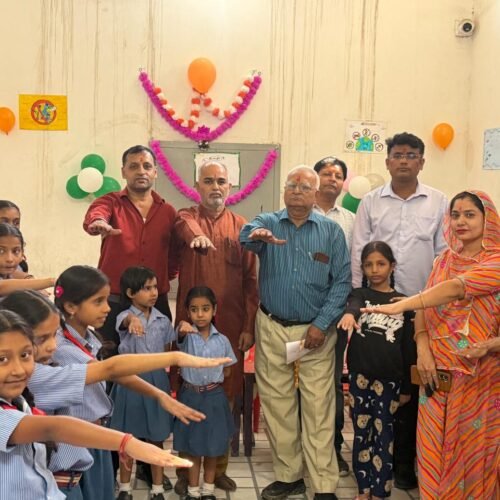
During the three-day programme, participants underwent specialised training through mock drills, practical exercises and interactive sessions covering key areas such as threat awareness, protection, survival techniques and cyber defence. The training was structured to familiarise volunteers with different aspects of emergency preparedness and the importance of responding in a coordinated and disciplined manner. The practical exercises provided an opportunity to understand how preparedness measures can be translated into action when confronted with challenging and rapidly evolving situations.
A major component of the programme was the emphasis on threat awareness and personal protection. Civil Defence volunteers were exposed to training exercises designed to improve their understanding of potential threats, safety measures and appropriate responses during emergency situations. Such awareness is essential for volunteers who may be required to assist local authorities, guide civilians and support organised response efforts during crises.
The programme also included survival-related training and practical activities intended to strengthen the ability of volunteers to respond effectively under difficult circumstances. In emergency situations, the availability of trained personnel who understand basic safety procedures, survival practices and coordinated response mechanisms can play an important role in supporting the overall emergency management framework.
Another important area covered during the training was cyber defence. With digital infrastructure, communication networks and information systems becoming increasingly important to the functioning of modern society, cyber-related threats have emerged as an additional dimension of security preparedness. By including cyber defence in the training curriculum, the programme acknowledged the need to expand the understanding of Civil Defence volunteers beyond conventional physical threats and introduce them to the broader security environment.
Interactive sessions formed an integral part of the programme, during which officers from the Indian Army and the Civil Defence Organisation shared valuable inputs on coordination, operational cooperation and best practices followed during emergencies. These discussions provided a platform for personnel from both organisations to exchange perspectives, understand each other’s responsibilities and identify ways to improve coordination when responding to emergency situations.
The interaction between Army officers and Civil Defence representatives was particularly important because effective emergency response depends not only on the availability of trained manpower but also on clearly understood roles, communication channels and coordinated action. Strengthening familiarity between military personnel and civilian responders can help reduce response gaps and improve the effectiveness of joint efforts during critical situations.
The participation of 50 Civil Defence volunteers also gives the initiative significance beyond the three-day training period. As the programme was designed around the concept of Master Trainers, the trained volunteers are expected to contribute to wider capacity-building efforts within the Civil Defence Organisation by sharing their learning and supporting further awareness and training activities. This multiplier approach can help extend the benefits of specialised training to a larger pool of volunteers and strengthen preparedness at the community level.
The central objective of the pilot programme was to improve coordination, enhance interoperability and strengthen preparedness for security-related challenges. Interoperability between military and civilian organisations is particularly important during emergencies, when different agencies may have to operate simultaneously, share information and coordinate resources under time-sensitive conditions.
The initiative also underlines the importance of a Whole of Nation Approach towards national security and emergency preparedness. In this approach, national readiness is not viewed as the responsibility of the armed forces or government agencies alone. Instead, it involves the coordinated participation of civil administration, emergency response organisations, trained volunteers and other stakeholders. A stronger civil-military partnership can therefore contribute to a more comprehensive and responsive national preparedness framework.
For Rajasthan, the programme represents an important step towards strengthening the institutional relationship between the Indian Army and the Civil Defence Organisation. The specialised training at Bikaner Military Station has created an opportunity to develop a common understanding of emergency response procedures, improve communication and build confidence among personnel who may have to work together during challenging circumstances.
The successful conclusion of the three-day pilot programme reinforces the Indian Army’s commitment to civil-military cooperation and its continued emphasis on strengthening national preparedness through collective participation. By focusing on threat awareness, protection, survival and cyber defence, the initiative seeks to ensure that Civil Defence volunteers are better equipped to contribute to emergency response and support the wider security framework.
The programme at Bikaner Military Station thus stands as an example of how military expertise can be leveraged to strengthen civilian preparedness, build institutional capacity and promote a coordinated approach to national security. The training has reaffirmed the importance of cooperation between the armed forces and civilian organisations in building a prepared, resilient and security-conscious society.
बीकानेर मिलिट्री स्टेशन में भारतीय सेना ने तैयार किए 50 सिविल डिफेंस मास्टर ट्रेनर, तीन दिवसीय विशेष प्रशिक्षण सम्पन्न; आपातकालीन परिस्थितियों, साइबर सुरक्षा और राष्ट्रीय सुरक्षा की चुनौतियों से निपटने की क्षमता होगी मजबूत
बीकानेर : राजस्थान में आपातकालीन परिस्थितियों से निपटने की तैयारियों को मजबूत करने और नागरिक-सैन्य समन्वय को नई धार देने की दिशा में भारतीय सेना ने एक महत्वपूर्ण पहल की है। भारतीय सेना की ओर से राजस्थान राज्य के लिए आयोजित सिविल डिफेंस मास्टर ट्रेनरों का तीन दिवसीय पायलट प्रशिक्षण कार्यक्रम 3 नवंबर 2026 को बीकानेर मिलिट्री स्टेशन में सफलतापूर्वक सम्पन्न हुआ। इस विशेष प्रशिक्षण कार्यक्रम में सिविल डिफेंस संगठन के कुल 50 स्वयंसेवकों ने भाग लिया। कार्यक्रम का मुख्य उद्देश्य ऐसे प्रशिक्षित मास्टर ट्रेनर तैयार करना था, जो आपातकालीन परिस्थितियों, सुरक्षा संबंधी चुनौतियों और संकट के समय नागरिकों की सहायता के लिए प्रभावी भूमिका निभा सकें।
बदलते सुरक्षा परिदृश्य में राष्ट्रीय सुरक्षा की चुनौतियां अब केवल पारंपरिक सैन्य खतरों तक सीमित नहीं रह गई हैं। प्राकृतिक आपदाओं, अप्रत्याशित आपात स्थितियों, सुरक्षा संबंधी घटनाओं और साइबर खतरों जैसी चुनौतियों से निपटने के लिए प्रशासनिक एजेंसियों, सुरक्षा बलों और नागरिक संगठनों के बीच बेहतर तालमेल बेहद जरूरी हो गया है। इसी आवश्यकता को ध्यान में रखते हुए भारतीय सेना ने सिविल डिफेंस स्वयंसेवकों के लिए यह विशेष प्रशिक्षण कार्यक्रम आयोजित किया।
तीन दिनों तक चले इस प्रशिक्षण में स्वयंसेवकों को विभिन्न परिस्थितियों के अनुरूप तैयार करने के लिए मॉक ड्रिल, व्यावहारिक अभ्यास और विशेष प्रशिक्षण सत्र आयोजित किए गए। प्रशिक्षण के दौरान खतरे के प्रति जागरूकता, सुरक्षा उपायों, जीवन रक्षा यानी सर्वाइवल तकनीकों और साइबर डिफेंस जैसे महत्वपूर्ण विषयों पर विशेष ध्यान दिया गया। इसका उद्देश्य स्वयंसेवकों को केवल सैद्धांतिक जानकारी देना नहीं, बल्कि उन्हें वास्तविक परिस्थितियों में अनुशासित, सतर्क और समन्वित तरीके से कार्य करने की समझ विकसित करना भी था।
प्रशिक्षण का एक महत्वपूर्ण हिस्सा थ्रेट अवेयरनेस यानी संभावित खतरों की पहचान और उनके प्रति जागरूकता रहा। स्वयंसेवकों को विभिन्न सुरक्षा परिस्थितियों को समझने, जोखिमों का आकलन करने और आपातकाल के दौरान आवश्यक सुरक्षा उपाय अपनाने से संबंधित अभ्यास कराए गए। किसी भी संकट की स्थिति में समय रहते खतरे को पहचानना, लोगों को जागरूक करना और सुरक्षित प्रतिक्रिया सुनिश्चित करना बेहद महत्वपूर्ण होता है। सिविल डिफेंस स्वयंसेवकों की भूमिका ऐसे समय में स्थानीय प्रशासन और आम नागरिकों के बीच एक महत्वपूर्ण कड़ी के रूप में सामने आ सकती है।
कार्यक्रम में प्रोटेक्शन और सर्वाइवल से जुड़े अभ्यास भी शामिल रहे। इन सत्रों के माध्यम से स्वयंसेवकों को कठिन परिस्थितियों में सुरक्षा संबंधी सावधानियों, जीवन रक्षा के बुनियादी उपायों और संकट के दौरान प्रभावी प्रतिक्रिया के महत्व से परिचित कराया गया। आपातकालीन परिस्थितियों में प्रशिक्षित स्वयंसेवकों की उपलब्धता राहत एवं बचाव प्रयासों को व्यवस्थित बनाने और प्रभावित लोगों की सहायता करने में महत्वपूर्ण योगदान दे सकती है।
इस प्रशिक्षण कार्यक्रम में साइबर डिफेंस को शामिल किया जाना भी विशेष महत्व रखता है। डिजिटल तकनीक और संचार प्रणालियों पर बढ़ती निर्भरता के साथ साइबर सुरक्षा राष्ट्रीय सुरक्षा का एक महत्वपूर्ण आयाम बन चुकी है। आज साइबर खतरे केवल तकनीकी संस्थानों तक सीमित नहीं हैं, बल्कि संचार व्यवस्था, सूचनाओं के आदान-प्रदान और विभिन्न आवश्यक सेवाओं को भी प्रभावित कर सकते हैं। ऐसे में सिविल डिफेंस स्वयंसेवकों को साइबर सुरक्षा से जुड़े पहलुओं के प्रति जागरूक करना आधुनिक सुरक्षा चुनौतियों के अनुरूप एक महत्वपूर्ण कदम है।
तीन दिवसीय कार्यक्रम के दौरान इंटरैक्टिव सत्र भी आयोजित किए गए, जिनमें भारतीय सेना और सिविल डिफेंस संगठन के अधिकारियों ने आपसी समन्वय, जिम्मेदारियों के निर्वहन और आपातकालीन परिस्थितियों में अपनाई जाने वाली सर्वोत्तम कार्यप्रणालियों पर महत्वपूर्ण सुझाव साझा किए। इन सत्रों ने दोनों संगठनों के अधिकारियों और स्वयंसेवकों को एक-दूसरे की कार्यप्रणाली समझने तथा संकट के समय बेहतर तालमेल स्थापित करने का अवसर प्रदान किया।
दरअसल, किसी भी आपातकालीन परिस्थिति में प्रभावी कार्रवाई केवल प्रशिक्षित मानव संसाधन की उपलब्धता पर निर्भर नहीं करती, बल्कि विभिन्न एजेंसियों के बीच स्पष्ट जिम्मेदारियों, प्रभावी संचार और त्वरित समन्वय की भी आवश्यकता होती है। सेना और सिविल डिफेंस संगठन के बीच बेहतर तालमेल से संकट के समय संसाधनों का प्रभावी उपयोग, सूचनाओं का आदान-प्रदान और संयुक्त कार्रवाई अधिक व्यवस्थित तरीके से की जा सकती है।
इस कार्यक्रम में 50 स्वयंसेवकों की भागीदारी इसे एक व्यापक क्षमता निर्माण पहल के रूप में भी महत्वपूर्ण बनाती है। मास्टर ट्रेनर प्रशिक्षण की अवधारणा के तहत प्रशिक्षित स्वयंसेवक अपने प्रशिक्षण से प्राप्त अनुभव और जानकारी को आगे अन्य सिविल डिफेंस स्वयंसेवकों तक पहुंचाने में योगदान दे सकते हैं। इससे प्रशिक्षण का प्रभाव केवल तीन दिनों तक सीमित न रहकर संगठन के भीतर व्यापक स्तर पर क्षमता विकास का आधार बन सकता है।
कार्यक्रम का प्रमुख उद्देश्य समन्वय में सुधार करना, इंटर-ऑपरेबिलिटी यानी विभिन्न संगठनों की संयुक्त रूप से कार्य करने की क्षमता बढ़ाना और सुरक्षा संबंधी चुनौतियों के प्रति तैयारियों को मजबूत करना था। किसी भी बड़े संकट या आपातकाल के दौरान सेना, नागरिक प्रशासन, सिविल डिफेंस और अन्य संबंधित एजेंसियों को एक साथ काम करना पड़ सकता है। ऐसी परिस्थितियों में एक-दूसरे की कार्यप्रणाली और जिम्मेदारियों की जानकारी होने से प्रतिक्रिया की गति और प्रभावशीलता बेहतर बनाई जा सकती है।
यह पहल राष्ट्रीय सुरक्षा के लिए ‘होल ऑफ नेशन अप्रोच’ यानी संपूर्ण राष्ट्र दृष्टिकोण की भावना को भी मजबूत करती है। इस दृष्टिकोण के तहत राष्ट्रीय सुरक्षा और आपातकालीन तैयारियों को केवल सशस्त्र बलों या सरकारी एजेंसियों की जिम्मेदारी नहीं माना जाता, बल्कि इसमें नागरिक प्रशासन, सुरक्षा संगठनों, प्रशिक्षित स्वयंसेवकों और समाज के विभिन्न हितधारकों की सामूहिक भागीदारी को महत्वपूर्ण माना जाता है।
राजस्थान जैसे महत्वपूर्ण सीमावर्ती राज्य में इस प्रकार के प्रशिक्षण कार्यक्रम का विशेष महत्व है। राज्य में सुरक्षा और आपातकालीन तैयारियों से जुड़े विभिन्न पहलुओं को देखते हुए सेना और नागरिक संगठनों के बीच मजबूत समन्वय प्रभावी प्रतिक्रिया व्यवस्था विकसित करने में सहायक हो सकता है। बीकानेर मिलिट्री स्टेशन में आयोजित यह पायलट कार्यक्रम इसी दिशा में एक महत्वपूर्ण प्रयास के रूप में सामने आया है।
तीन दिवसीय प्रशिक्षण कार्यक्रम का सफल समापन भारतीय सेना की नागरिक-सैन्य सहयोग के प्रति प्रतिबद्धता को फिर से रेखांकित करता है। इस पहल के माध्यम से सेना ने यह संदेश दिया है कि राष्ट्रीय सुरक्षा और आपातकालीन तैयारियों को मजबूत बनाने के लिए सैन्य क्षमता के साथ-साथ प्रशिक्षित नागरिक स्वयंसेवकों और विभिन्न संस्थाओं के बीच बेहतर तालमेल भी आवश्यक है।
बीकानेर मिलिट्री स्टेशन में आयोजित यह प्रशिक्षण कार्यक्रम केवल स्वयंसेवकों को प्रशिक्षित करने तक सीमित नहीं रहा, बल्कि इसने सेना और सिविल डिफेंस संगठन के बीच सहयोग, साझा जिम्मेदारी और सामूहिक तैयारी की आवश्यकता को भी रेखांकित किया। खतरे के प्रति जागरूकता से लेकर साइबर डिफेंस तक विभिन्न विषयों को शामिल करते हुए यह पहल राजस्थान में नागरिक सुरक्षा और राष्ट्रीय तैयारियों को मजबूत करने की दिशा में एक महत्वपूर्ण कदम साबित हो सकती है।
BY DEFENCE JOURNALIST SAHIL | T.I.N. NETWORK