



राजस्थान शिक्षक संघ (शेखावत) बीकानेर में बड़ा विभाजन: वार्षिक अधिवेशन में पांच ब्लॉकों का बहिष्कार, संघर्ष समिति का गठन, नई जिला कार्यकारिणी के गठन का ऐलान
संगठनात्मक चुनाव को लेकर फूटा असंतोष, राजस्थान शिक्षक संघ (शेखावत) बीकानेर इकाई दो धड़ों में बंटी
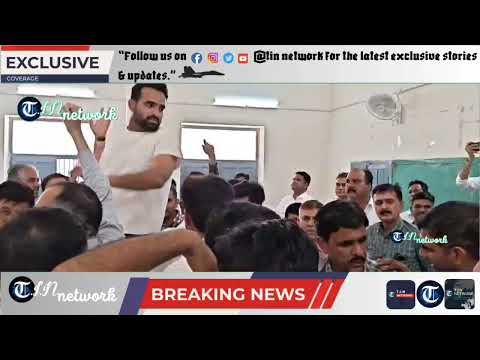
बीकानेर में राजस्थान शिक्षक संघ (शेखावत) के भीतर लंबे समय से सुलग रहा असंतोष रविवार को खुलकर सामने आ गया, जब संगठन के वार्षिक अधिवेशन के दौरान जिले के पांच प्रमुख ब्लॉकों के प्रतिनिधियों और सैकड़ों शिक्षकों ने वर्तमान जिला कार्यकारिणी के खिलाफ मोर्चा खोल दिया। आरोप लगाया गया कि वर्तमान जिला नेतृत्व ने लोकतांत्रिक परंपराओं की अनदेखी करते हुए ब्लॉक स्तर पर विधिवत चुनाव कराए बिना ही प्रदेश पर्यवेक्षक और चुनाव अधिकारी को बुलाकर मनमाने तरीके से जिला चुनाव कराने का प्रयास किया। इस कथित अलोकतांत्रिक प्रक्रिया के विरोध में शिक्षकों ने अधिवेशन का बहिष्कार किया और एक समानांतर “संघर्ष समिति” का गठन कर नई जिला कार्यकारिणी के गठन का ऐलान कर दिया। इस घटनाक्रम ने संगठन के भीतर गहरे मतभेदों को सार्वजनिक कर दिया है और यह संकेत दिया है कि बीकानेर इकाई में नेतृत्व को लेकर अब निर्णायक संघर्ष शुरू हो चुका है।
वार्षिक अधिवेशन में चुनाव प्रक्रिया को लेकर शिक्षकों ने जताई कड़ी नाराजगी
शिक्षकों का आरोप था कि संगठन के चुनाव किसी भी कर्मचारी संगठन की आत्मा होते हैं और इन्हें पारदर्शी, निष्पक्ष और सहभागितापूर्ण तरीके से कराया जाना चाहिए। लेकिन बीकानेर में जिला कार्यकारिणी द्वारा अपनाई गई प्रक्रिया को लेकर कई ब्लॉकों के पदाधिकारियों और सदस्यों ने गंभीर आपत्ति जताई। उनका कहना था कि जब तक प्रत्येक ब्लॉक में लोकतांत्रिक तरीके से चुनाव नहीं हो जाते, तब तक जिला स्तर पर प्रतिनिधियों का चयन करना संगठनात्मक मर्यादाओं के विपरीत है। शिक्षकों ने आरोप लगाया कि वर्तमान नेतृत्व ने संगठन को कुछ लोगों के नियंत्रण में रखने के उद्देश्य से चुनाव प्रक्रिया को प्रभावित करने का प्रयास किया। इसी के विरोध में अधिवेशन के दौरान माहौल गरमा गया और असंतुष्ट गुट ने सामूहिक रूप से कार्यक्रम से अलग होकर स्वतंत्र बैठक आयोजित करने का निर्णय लिया।
पांचों ब्लॉकों ने एकजुट होकर चुनाव का बहिष्कार किया
बीकानेर जिले के पांच प्रमुख ब्लॉकों—नोखा, पांचू, बीकानेर देहात, खाजूवाला और डूंगरगढ़—के प्रतिनिधियों ने एक स्वर में वर्तमान चुनाव प्रक्रिया का विरोध करते हुए उसका बहिष्कार किया। यह बहिष्कार केवल औपचारिक विरोध नहीं था, बल्कि संगठन के भीतर बढ़ती असंतुष्टि का स्पष्ट संकेत था। विभिन्न ब्लॉकों से आए शिक्षकों ने कहा कि यदि संगठन के भीतर ही लोकतंत्र की रक्षा नहीं होगी तो शिक्षक हितों की लड़ाई प्रभावी रूप से नहीं लड़ी जा सकेगी। पांचों ब्लॉकों का यह सामूहिक निर्णय इस बात का प्रमाण माना जा रहा है कि जिला स्तर पर वर्तमान नेतृत्व के प्रति असंतोष व्यापक रूप से फैल चुका है।
सूरसागर स्थित विद्यालय में हुई समानांतर बैठक, संघर्ष समिति का गठन
वार्षिक अधिवेशन के बहिष्कार के बाद सैकड़ों शिक्षक हल्दीराम महात्मा गांधी राजकीय बालिका विद्यालय, सूरसागर में एकत्र हुए। यहां वरिष्ठ नेताओं, ब्लॉक प्रतिनिधियों और बड़ी संख्या में शिक्षकों ने विस्तृत चर्चा के बाद सर्वसम्मति से संघर्ष समिति का गठन किया। इस समिति का उद्देश्य संगठन में लोकतांत्रिक व्यवस्था की पुनर्स्थापना, पारदर्शी चुनाव सुनिश्चित करना और शिक्षक एवं शिक्षार्थी हितों की रक्षा के लिए संघर्ष करना बताया गया। समिति के गठन के दौरान मौजूद शिक्षकों ने यह संकल्प लिया कि वे संगठन को किसी भी प्रकार की मनमानी से मुक्त कराने के लिए एकजुट होकर कार्य करेंगे।
वरिष्ठ नेताओं ने संभाली आंदोलन की कमान
इस आंदोलन का नेतृत्व संगठन के वरिष्ठ और अनुभवी पदाधिकारियों ने किया, जिनमें भंवरलाल पोटलिया, शिवशंकर गोदारा, आदूराम मेघवाल, बालाराम मेघवाल, कोजाराम सियाग, महेन्द्र पाल भंवरिया और राजेश तर्ड प्रमुख रहे। इन नेताओं ने कहा कि शिक्षक संगठन केवल पदों का मंच नहीं है, बल्कि यह शिक्षकों के सम्मान, अधिकारों और शिक्षा व्यवस्था के सुधार का माध्यम है। यदि संगठन के भीतर लोकतंत्र और पारदर्शिता समाप्त हो जाएगी तो उसका अस्तित्व कमजोर पड़ जाएगा। उन्होंने स्पष्ट किया कि संघर्ष समिति का गठन किसी व्यक्ति विशेष के विरोध में नहीं, बल्कि संगठनात्मक मूल्यों की रक्षा के लिए किया गया है।
पांचों ब्लॉकों के पदाधिकारियों ने संघर्ष समिति को दिया समर्थन
संघर्ष समिति को जिले के सभी प्रमुख ब्लॉकों से समर्थन मिला। नोखा उपशाखा अध्यक्ष हारून कुरैशी और मंत्री मालचंद भार्गव, पांचू अध्यक्ष रामनिवास गोदारा और मंत्री भैराराम, बीकानेर देहात अध्यक्ष गणेश चौधरी और मंत्री सोहनलाल कुकणा, खाजूवाला ब्लॉक अध्यक्ष अमित बिश्नोई और मंत्री जसविंदर सिंह तथा डूंगरगढ़ ब्लॉक अध्यक्ष हरीराम साहू और मंत्री दानाराम डेलू ने खुले तौर पर समिति के गठन का समर्थन किया। इन पदाधिकारियों ने कहा कि यह आंदोलन संगठन में लोकतंत्र बहाल करने के लिए है और इसे व्यापक शिक्षक समर्थन प्राप्त है।
सैकड़ों शिक्षकों की मौजूदगी ने दिया मजबूत संदेश
संघर्ष समिति के गठन के दौरान हेमेन्द्र बाना, राजेश झुरिया, कैलाश सियाग, धुड़ाराम सोनी, देवकिशन जाखड़, राजेन्द्र घिंटाला, सीताराम सिद्ध, प्रदीप बिजारणियां, सुनील फुलवारियां, राजूराम सोलंकी, मांगीलाल सुथार, रणजीत शर्मा, प्रवीण सिंह, राजाराम भाम्भू, प्रेमाराम खालियां, श्रवण नाई, चिमनाराम सिला, ओमप्रकाश सारण, भरताराम सिद्धू और सुरेन्द्र पड़िहार सहित बड़ी संख्या में शिक्षक उपस्थित रहे। उनकी भागीदारी ने यह स्पष्ट कर दिया कि यह विरोध सीमित दायरे का नहीं, बल्कि व्यापक जनसमर्थन वाला आंदोलन बन चुका है।
नई जिला कार्यकारिणी के गठन का किया गया ऐलान
बैठक में सर्वसम्मति से निर्णय लिया गया कि संघर्ष समिति आगे की रणनीति तय करेगी और संगठन में लोकतांत्रिक प्रक्रिया के माध्यम से नई जिला कार्यकारिणी के गठन की दिशा में कार्य करेगी। शिक्षकों ने कहा कि नई कार्यकारिणी वही होगी जिसे वास्तविक प्रतिनिधित्व और शिक्षकों के विश्वास का समर्थन प्राप्त होगा। इसके लिए प्रत्येक ब्लॉक में निष्पक्ष चुनाव कराने और उसके बाद जिला स्तर पर प्रतिनिधियों के माध्यम से चुनाव कराने की मांग दोहराई गई।
शिक्षक और शिक्षार्थी हितों को आंदोलन का केंद्र बताया गया
संघर्ष समिति के नेताओं ने जोर देकर कहा कि यह लड़ाई केवल संगठनात्मक पदों की नहीं है। उनका कहना था कि एक मजबूत और लोकतांत्रिक शिक्षक संगठन ही शिक्षकों की समस्याओं को प्रभावी ढंग से सरकार तक पहुंचा सकता है और विद्यार्थियों के हितों की रक्षा कर सकता है। यदि संगठन पारदर्शी और जवाबदेह होगा तो वह स्थानांतरण नीति, पदोन्नति, रिक्त पदों की भर्ती, विद्यालयी संसाधनों और शिक्षा की गुणवत्ता जैसे मुद्दों पर अधिक प्रभावशाली भूमिका निभा सकेगा।
राज्य स्तर पर भी पड़ सकता है इस घटनाक्रम का असर
बीकानेर में राजस्थान शिक्षक संघ (शेखावत) की इकाई में उत्पन्न यह विभाजन केवल जिला स्तर का विवाद नहीं माना जा रहा। शिक्षकों के संगठनों का शिक्षा नीति और कर्मचारी हितों से जुड़े मुद्दों पर राज्य सरकार के साथ नियमित संवाद रहता है। ऐसे में यदि बीकानेर जैसे बड़े जिले में संगठन दो धड़ों में बंटता है तो इसका असर राज्य स्तर की राजनीति और संगठनात्मक समीकरणों पर भी पड़ सकता है। यह घटनाक्रम प्रदेश नेतृत्व के लिए भी एक गंभीर संकेत है कि जमीनी स्तर पर पारदर्शिता और सहभागिता को लेकर शिक्षक अब अधिक मुखर हो रहे हैं।
बीकानेर के शिक्षक आंदोलन ने दिया स्पष्ट संदेश
बीकानेर में हुए इस घटनाक्रम ने यह स्पष्ट कर दिया है कि शिक्षक अब अपने संगठन के भीतर भी लोकतांत्रिक मूल्यों से समझौता करने के लिए तैयार नहीं हैं। संघर्ष समिति के गठन के साथ ही यह संदेश गया है कि संगठनात्मक पारदर्शिता, निष्पक्ष चुनाव और सामूहिक निर्णय प्रक्रिया शिक्षकों के लिए सर्वोच्च प्राथमिकता है। आने वाले दिनों में यह देखना महत्वपूर्ण होगा कि प्रदेश नेतृत्व इस विवाद को कैसे संभालता है और क्या संवाद के माध्यम से समाधान निकलता है या यह संघर्ष और व्यापक रूप लेता है। फिलहाल इतना तय है कि बीकानेर के शिक्षकों ने संगठनात्मक लोकतंत्र की रक्षा के लिए निर्णायक लड़ाई का बिगुल फूंक दिया है।
Rajasthan Teachers’ Union (Shekhawat) Splits in Bikaner as Hundreds Boy District Convention, Form Struggle Committee and Announce Fresh Organisational Elections
Major Revolt Erupts Within Rajasthan Teachers’ Union (Shekhawat) in Bikaner
In a dramatic development that has exposed deep divisions within one of Rajasthan’s prominent teachers’ organisations, the Bikaner unit of the Rajasthan Teachers’ Union (Shekhawat) has effectively split into two factions after hundreds of teachers from five blocks boycotted the annual district convention and announced the formation of a new “Sangharsh Samiti” (Struggle Committee). The move came amid serious allegations that the existing district executive attempted to conduct elections in an undemocratic and arbitrary manner by inviting the state observer and election officer without ensuring proper electoral processes at the block level. The dissenting teachers accused the current leadership of bypassing organisational norms and undermining democratic principles, triggering a full-scale rebellion that may reshape the union’s leadership structure in the district.
Allegations of Undemocratic Election Process Trigger Widespread Discontent
The controversy began when members from five major blocks alleged that the district executive sought to push through elections without conducting legitimate electoral exercises in the respective block units. According to protesting teachers, organisational elections are expected to reflect the will of grassroots members, but in this case, they claimed that the district leadership attempted to impose a predetermined structure by summoning the state-appointed observer and election officer and proceeding with the election process without adequate consultation. Teachers described the move as “aloktāntrik” or anti-democratic, arguing that it violated the spirit of collective representation and transparency on which trade unions are built.
The allegations struck a chord with educators across Bikaner district, many of whom have been demanding greater accountability and fairness in the functioning of the union. What was expected to be a routine annual convention soon transformed into a forum of intense protest, with teachers openly challenging the legitimacy of the process and calling for immediate corrective measures.
Five Block Units Boycott Annual Convention in Strong Show of Unity
In a significant display of solidarity, representatives and members from five block units collectively boycotted the annual convention of the union. The boycott was not a symbolic gesture but a coordinated action that demonstrated the scale of dissatisfaction within the organisation. Teachers from Bikaner rural, Nokha, Panchu, Khajuwala, and Dungargarh stood together to reject what they termed a manipulated electoral exercise.
Participants said the decision to walk out was taken after repeated concerns were ignored by the existing leadership. The boycott sent a clear message that a substantial section of the union’s grassroots cadre no longer had confidence in the present district executive. Observers noted that such a coordinated rejection by multiple block units is rare and indicates a profound organisational crisis.
Struggle Committee Formed at Haldiram Mahatma Gandhi Government Girls School, Soorsagar
Following the boycott, hundreds of teachers assembled at Haldiram Mahatma Gandhi Government Girls School in Soorsagar, where a new Struggle Committee was formally constituted. The gathering brought together senior union leaders, block representatives, and rank-and-file teachers who unanimously resolved to continue their fight for transparent elections and the protection of teacher and student interests.
The formation of the committee marks the beginning of a parallel organisational structure that aims to challenge the legitimacy of the existing district leadership and oversee efforts to establish a fresh executive through a democratic process. Members of the committee stated that their objective is not merely to oppose individuals but to restore faith in the union’s internal democratic mechanisms.
Senior Leaders Lead the Charge for Organisational Reform
The movement was led by several respected figures within the teachers’ community, including Bhanwarlal Potliya, Shiv Shankar Godara, Aduram Meghwal, Balaram Meghwal, Kojaram Siyag, Mahendra Pal Bhanwariya, and Rajesh Tard. Their presence gave credibility and momentum to the protest, as many of them have long been associated with teachers’ rights and organisational activism.
These senior leaders emphasized that trade unions derive their strength from democratic participation and collective decision-making. They argued that if teachers themselves are denied a fair voice in choosing their representatives, the moral authority of the union to advocate for educational reform and employee welfare is severely weakened.
Block Representatives from Across Bikaner District Join the Movement
The newly formed Struggle Committee drew support from all five blocks. Nokha was represented by branch president Harun Qureshi and minister Malchand Bhargav. Panchu was represented by branch president Ramniwas Godara and branch minister Bhairaram. Bikaner Rural was represented by president Ganesh Choudhary and minister Sohanlal Kukna. Khajuwala was represented by president Amit Bishnoi and minister Jaswinder Singh. Dungargarh was represented by president Hariram Sahu and minister Danaram Delu.
Their participation underscored that the protest was not confined to one locality or faction but reflected a district-wide movement demanding structural reform and transparency. Teachers said this broad-based support gives the Struggle Committee both legitimacy and momentum.
Hundreds of Teachers Rally Behind the Committee
In addition to senior office-bearers, a large number of teachers joined the initiative, including Hemendra Bana, Rajesh Jhuriya, Kailash Siyag, Dhudaram Soni, Devkishan Jakhad, Rajendra Ghintala, Sitaram Siddh, Pradeep Bijarniya, Sunil Phulwariya, Rajuram Solanki, Mangilal Suthar, Ranjeet Sharma, Praveen Singh, Rajaram Bhambhu, Premaram Khaliya, Shravan Nai, Chimnaram Sila, Omprakash Saran, Bharta Ram Sidhu, and Surendra Parihar, among many others.
The sheer number of participants reflected the extent of dissatisfaction among educators and sent a strong message that the demand for democratic reform enjoys broad grassroots backing. Teachers present at the meeting pledged to continue working collectively to safeguard both professional rights and educational standards.
Demand for Fresh Elections Through Transparent and Democratic Process
The central demand of the Struggle Committee is the conduct of fresh organisational elections under a transparent and impartial process. Members insist that each block should first complete its own democratic election process, after which district leadership should be elected based on genuine representation. They have called for neutral oversight and full adherence to organisational rules to ensure credibility.
Leaders of the committee said they are prepared to engage in dialogue with the state leadership but warned that they will intensify their movement if attempts are made to impose office-bearers without consensus. Their objective, they said, is to build a stronger and more accountable union rather than allow internal democracy to be compromised.
Teachers Say Movement is for Educators and Students Alike
Speakers at the gathering repeatedly emphasized that the struggle is not solely about positions within the union. They argued that a democratic and effective teachers’ organisation is essential to defending the interests of educators and ensuring better outcomes for students. When unions are transparent and representative, they said, they are better equipped to advocate for improved infrastructure, timely promotions, policy reforms, and academic excellence.
By linking their internal struggle to the broader cause of educational welfare, the protesting teachers sought to underline that organisational integrity has a direct impact on the quality of public education.
Political and Organisational Significance of the Split
The split in the Bikaner unit of Rajasthan Teachers’ Union (Shekhawat) is likely to have significant repercussions beyond the district. Teachers’ unions in Rajasthan play an influential role in shaping education-related debates and often interact with the government on service conditions, transfers, promotions, and policy reforms. A fractured district unit could alter local power dynamics and potentially trigger wider introspection within the organisation at the state level.
The emergence of a parallel committee also raises the possibility of future negotiations, reconciliation efforts, or even a formal restructuring of leadership. Much will depend on how the state leadership responds to the allegations and whether it agrees to revisit the election process.
A Defining Moment for Teachers’ Representation in Bikaner
The events in Bikaner represent more than an internal disagreement; they highlight the growing insistence among teachers that the organisations representing them must practice the democratic values they advocate. The formation of the Struggle Committee reflects a determination to challenge what members see as arbitrary decision-making and to restore accountability within the union.
As the newly constituted committee prepares its next steps, the coming weeks will be crucial in determining whether this dispute leads to reconciliation or a lasting organisational split. For now, one message has emerged clearly from Bikaner’s teaching community: transparency, participation, and democratic legitimacy are non-negotiable principles in the fight for teachers’ rights and the future of education.