










BY DEFENCE JOURNALIST SAHIL | T.I.N. NETWORK
Central Asia से Cyberspace तक: भारत के सामने नई रणनीतिक चुनौती—चीन का विस्तार, रूस की चिंता और डिजिटल निर्भरता का खतरा
Central Asia: संसाधनों से भरपूर लेकिन शक्ति संघर्ष का मैदान
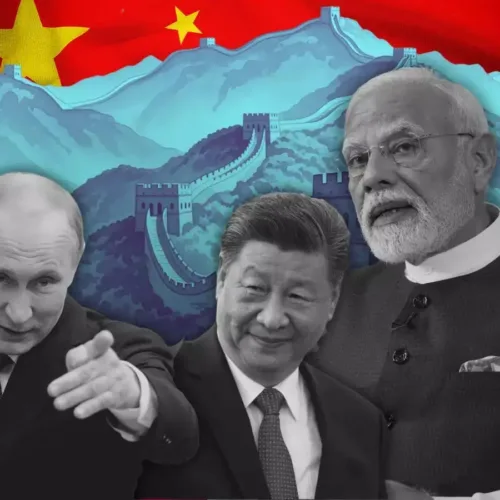
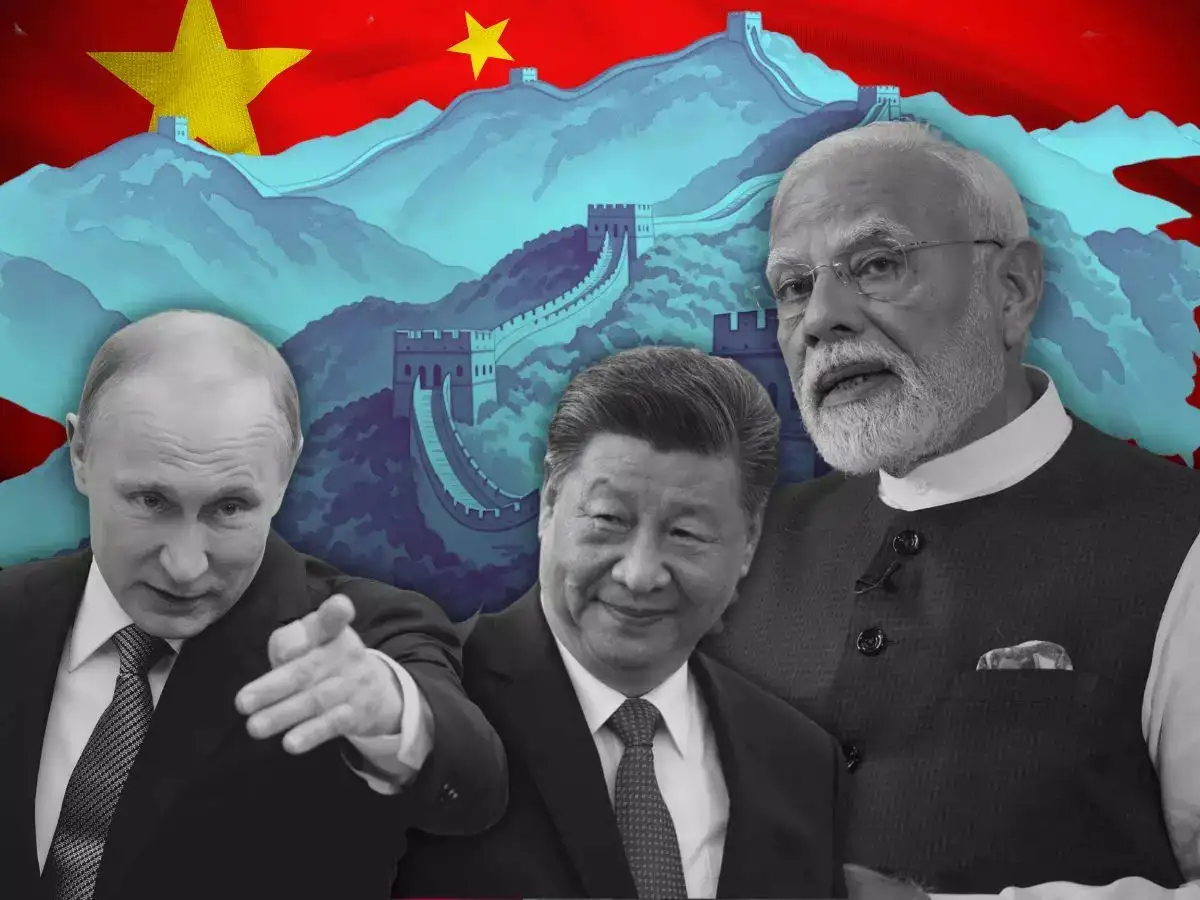
Central Asia आज केवल भौगोलिक क्षेत्र नहीं बल्कि वैश्विक शक्ति संतुलन का केंद्र बन चुका है। पूर्व R&AW प्रमुख Samant Goel ने इसे “resource-rich chessboard” कहा था, जहां संसाधन तो भरपूर हैं लेकिन खरीदार सीमित हैं, और यही स्थिति इसे रणनीतिक प्रतिस्पर्धा का केंद्र बनाती है। पिछले एक दशक में चीन ने इस क्षेत्र में आर्थिक निवेश, इंफ्रास्ट्रक्चर प्रोजेक्ट्स और बेल्ट एंड रोड इनिशिएटिव के माध्यम से अपनी मजबूत पकड़ बना ली है। आज स्थिति यह है कि Central Asia के कई देशों की अर्थव्यवस्था सीधे तौर पर चीन के निवेश और व्यापार पर निर्भर होती जा रही है। लेकिन इस आर्थिक प्रभुत्व के पीछे एक बड़ा भू-राजनीतिक बदलाव छिपा है, जो आने वाले समय में शक्ति संतुलन को पूरी तरह बदल सकता है।
रूस के लिए बढ़ती चुनौती: सहयोग या प्रतिस्पर्धा?
Central Asia ऐतिहासिक रूप से रूस के प्रभाव क्षेत्र का हिस्सा रहा है। सोवियत संघ के टूटने के बाद भी रूस ने इस क्षेत्र में अपनी पकड़ बनाए रखी थी। लेकिन अब चीन के बढ़ते प्रभाव ने रूस की स्थिति को चुनौती देना शुरू कर दिया है। आज जो संबंध रूस और चीन के बीच दिखाई देता है, वह रणनीतिक सहयोग से ज्यादा परिस्थितिजन्य समझौता है। चीन धीरे-धीरे केवल Central Asia तक सीमित नहीं रह रहा बल्कि वह रूस के Far East क्षेत्रों में भी अपनी आर्थिक और रणनीतिक पहुंच बढ़ा रहा है। यह विस्तार भविष्य में रूस के लिए गंभीर चिंता का कारण बन सकता है, क्योंकि इससे उसकी पारंपरिक पकड़ कमजोर हो सकती है और चीन एक साझेदार से प्रतिस्पर्धी बन सकता है।
पाकिस्तान का संतुलन: अमेरिका और चीन के बीच फंसी रणनीति
दूसरी तरफ पाकिस्तान की स्थिति भी किसी स्थिर रणनीति का उदाहरण नहीं है। पाकिस्तान लगातार अमेरिका और चीन के बीच संतुलन बनाने की कोशिश करता रहा है। एक तरफ वह CPEC जैसे प्रोजेक्ट्स के जरिए चीन के साथ गहरे आर्थिक और सैन्य संबंध बना रहा है, वहीं दूसरी तरफ वह अमेरिका के साथ भी अपने रिश्ते पूरी तरह खत्म नहीं करना चाहता। यह संतुलन दिखने में रणनीतिक लगता है, लेकिन वास्तव में यह एक मजबूरी है। पाकिस्तान की यह नीति दीर्घकालिक नहीं है, क्योंकि दोनों महाशक्तियों के बीच बढ़ती प्रतिस्पर्धा में इस तरह का संतुलन बनाए रखना बेहद कठिन होता जा रहा है।
भारत की रणनीतिक पहल: Armenia और INSTC के जरिए नया रास्ता
इस जटिल वैश्विक परिदृश्य में भारत ने एक अलग रणनीतिक दिशा अपनाने की कोशिश की है। Armenia के साथ बढ़ते संबंध और International North-South Transport Corridor (INSTC) के माध्यम से भारत ने Eurasia में अपनी मजबूत उपस्थिति दर्ज कराने की योजना बनाई थी। यह कॉरिडोर भारत को Caspian Sea के जरिए Central Asia, रूस और यूरोप से जोड़ता है, जिससे व्यापार और रणनीतिक पहुंच दोनों मजबूत होती हैं। यह पहल केवल आर्थिक नहीं बल्कि भू-राजनीतिक दृष्टि से भी बेहद महत्वपूर्ण है, क्योंकि यह चीन के प्रभुत्व वाले मार्गों का विकल्प प्रस्तुत करती है।
रणनीतिक सुस्ती के संकेत: क्या भारत अपनी गति खो रहा है?
हाल के समय में यह चिंता सामने आई है कि भारत INSTC जैसे महत्वपूर्ण प्रोजेक्ट से दूरी बना रहा है या उसकी गति धीमी हो रही है। यदि यह सच है तो यह केवल एक प्रोजेक्ट का धीमा होना नहीं बल्कि भारत की दीर्घकालिक रणनीति पर सवाल खड़ा करता है। अंतरराष्ट्रीय राजनीति में निरंतरता बहुत महत्वपूर्ण होती है। यदि भारत इस तरह की पहलों में पीछे हटता है, तो इससे न केवल उसका प्रभाव कम होगा बल्कि चीन जैसे देश उस खाली जगह को तेजी से भर सकते हैं।
Starlink की एंट्री: कनेक्टिविटी या सुरक्षा का जोखिम?
इसी बीच भारत के अंदर एक नया रणनीतिक मुद्दा उभरकर सामने आया है। Meghalaya में Starlink को पायलट प्रोजेक्ट के तौर पर अनुमति दिए जाने की खबरें सामने आई हैं। इसका उद्देश्य दूरदराज के इलाकों में इंटरनेट कनेक्टिविटी बढ़ाना है, जो कि एक सकारात्मक कदम है। लेकिन इसके साथ ही यह सवाल भी उठता है कि क्या भारत अपनी डिजिटल संरचना में विदेशी नियंत्रण को बढ़ावा दे रहा है? आज के समय में डेटा और नेटवर्क पर नियंत्रण ही असली शक्ति है, और यदि यह नियंत्रण किसी बाहरी कंपनी के पास है, तो यह भविष्य में राष्ट्रीय सुरक्षा के लिए खतरा बन सकता है।
युद्ध का बदलता स्वरूप: Ukraine से मिले बड़े सबक
वर्तमान R&AW प्रमुख Parag Jain ने आधुनिक युद्ध के एक नए पहलू की ओर ध्यान दिलाया है। Ukraine युद्ध ने यह साबित कर दिया है कि अब युद्ध केवल टैंकों और मिसाइलों से नहीं जीते जाते, बल्कि डेटा, नेटवर्क और तकनीक से भी लड़े जाते हैं। सस्ते ड्रोन, जो सैटेलाइट नेटवर्क से जुड़े होते हैं, अब बड़े-बड़े रक्षा सिस्टम को भी चुनौती दे सकते हैं। AI आधारित नेविगेशन, रियल-टाइम डेटा और लो-एल्टीट्यूड उड़ान क्षमता के कारण इन ड्रोन को रोकना बेहद मुश्किल हो गया है। यह बदलाव युद्ध की पूरी परिभाषा को बदल रहा है।
बाहरी सैटेलाइट पर निर्भरता: छुपा हुआ खतरा
Starlink जैसी तकनीक जहां सुविधा देती है, वहीं यह एक बड़ा जोखिम भी पैदा करती है। यदि किसी देश की कम्युनिकेशन प्रणाली बाहरी सैटेलाइट नेटवर्क पर निर्भर हो जाती है, तो संकट के समय उस नेटवर्क को बंद किया जा सकता है या उसमें हस्तक्षेप किया जा सकता है। इसके अलावा डेटा सुरक्षा और निगरानी जैसे मुद्दे भी गंभीर हैं। युद्ध या तनाव की स्थिति में ऐसी निर्भरता किसी भी देश की रणनीतिक क्षमता को कमजोर कर सकती है।
डिजिटल संप्रभुता: अब विकल्प नहीं, आवश्यकता
आज के समय में डिजिटल संप्रभुता (Digital Sovereignty) केवल एक तकनीकी मुद्दा नहीं बल्कि राष्ट्रीय सुरक्षा का महत्वपूर्ण हिस्सा बन चुकी है। भारत के लिए यह जरूरी है कि वह अपने खुद के सैटेलाइट इंटरनेट और डिजिटल नेटवर्क विकसित करे। आत्मनिर्भरता केवल रक्षा उत्पादन तक सीमित नहीं रह सकती, बल्कि इसे डिजिटल क्षेत्र में भी लागू करना होगा। यदि भारत को भविष्य के युद्धों और वैश्विक प्रतिस्पर्धा में मजबूत रहना है, तो उसे अपने डेटा और नेटवर्क पर पूरा नियंत्रण रखना होगा।
बदलती दुनिया में भारत के लिए स्पष्ट रणनीति की जरूरत
आज की दुनिया में कोई भी गठबंधन स्थायी नहीं है। चीन का विस्तार, रूस की चिंता, पाकिस्तान की अस्थिर रणनीति और डिजिटल युद्ध का उभरता खतरा—ये सभी संकेत देते हैं कि वैश्विक व्यवस्था तेजी से बदल रही है। ऐसे में भारत के लिए सबसे बड़ी चुनौती है अपनी रणनीतिक स्पष्टता और निरंतरता बनाए रखना। चाहे बात Eurasian connectivity की हो या डिजिटल सुरक्षा की, भारत को हर कदम सोच-समझकर और दीर्घकालिक दृष्टिकोण के साथ उठाना होगा। आने वाले समय में वही देश सफल होगा जो न केवल अपनी सीमाओं की रक्षा करेगा बल्कि अपने डेटा, नेटवर्क और तकनीकी संरचना पर भी पूरा नियंत्रण रखेगा।
BY DEFENCE JOURNALIST SAHIL | T.I.N. NETWORK
From Central Asia to Cyberspace: India at a Strategic Crossroads Amid China’s Expansion, Russia’s Unease, and the Rising Risks of Digital Dependence
Central Asia: The Resource-Rich Battleground Shaping the Next Global Order
Central Asia has re-emerged as one of the most critical geopolitical theatres of the 21st century, not because of military confrontation, but due to its immense reserves of hydrocarbons, rare earth elements, and its strategic position connecting Europe, Asia, and the Middle East. Former R&AW Chief Samant Goel’s description of the region as a “resource-rich chessboard with limited buyers” captures the essence of this evolving contest. The countries of Central Asia—once tightly bound within the Soviet sphere—are now navigating a complex web of economic dependencies and strategic alignments. In this evolving landscape, economic influence has become the primary instrument of power projection, and no country has leveraged this better than China. Through sustained investments, infrastructure financing, and long-term economic engagement, Beijing has quietly but decisively positioned itself as the dominant external player in the region, reshaping trade routes, energy flows, and political equations.
China’s Strategic Expansion and the Subtle Erosion of Russian Influence
China’s growing footprint in Central Asia is not merely economic—it is deeply strategic. Over time, infrastructure projects evolve into influence corridors, and financial dependencies often translate into political leverage. While Russia continues to maintain strong military and historical ties with the region, its economic limitations have allowed China to take the lead in shaping Central Asia’s future. What makes this situation particularly complex is the current alignment between Moscow and Beijing, which, on the surface, appears cooperative. However, beneath this alignment lies a silent competition for influence. China’s ambitions are not confined to Central Asia; its expanding presence in the Russian Far East—an area rich in natural resources but economically underdeveloped—raises long-term concerns for Moscow. If current trends continue, Russia could find itself gradually losing strategic depth in regions it once dominated, turning today’s partner into tomorrow’s competitor. This evolving dynamic underscores a fundamental reality of global politics: alliances are often temporary, driven by necessity rather than enduring trust.
Pakistan’s Strategic Tightrope: Between the United States and China
In parallel, Pakistan’s geopolitical posture reflects a classic case of strategic balancing under pressure. Islamabad has deepened its engagement with China through large-scale infrastructure and defence cooperation, particularly under the China-Pakistan Economic Corridor framework. However, it has not completely disengaged from the United States, continuing to maintain selective diplomatic and security ties. This dual alignment is less a sign of strategic sophistication and more an indication of structural vulnerability. Pakistan’s economic challenges, security concerns, and dependence on external assistance have compelled it to hedge its bets between two competing global powers. Yet, in an era of intensifying US-China rivalry, such balancing acts are inherently unstable. The risk for Pakistan lies in being perceived as unreliable by both sides, potentially limiting its strategic options in the long run.
India’s Eurasian Vision: Building Alternatives Through Armenia and Connectivity Corridors
Amid these shifting power equations, India has been quietly crafting a long-term strategy aimed at establishing itself as a key stakeholder in Eurasian geopolitics. Engagement with Armenia and the development of the International North-South Transport Corridor represent critical components of this vision. The corridor, which connects India to Central Asia, Russia, and Europe via the Caspian Sea, offers a strategic alternative to routes dominated by China. More importantly, it provides India with the ability to bypass traditional chokepoints and diversify its trade and connectivity networks. India’s outreach to Armenia, a country located at the crossroads of competing geopolitical interests, further reflects its intent to expand its influence in regions where strategic space is still contested. Together, these initiatives signal India’s ambition to move beyond a regional power and position itself as a serious player in the broader Eurasian landscape.
Emerging Concerns: Is India Losing Strategic Momentum in Eurasia?
Despite these promising initiatives, recent developments have raised concerns about a possible slowdown in India’s strategic push toward Eurasian connectivity. Reports suggesting a dilution of focus on the International North-South Transport Corridor have triggered debate among strategic analysts about the consistency of India’s long-term planning. In geopolitics, momentum is critical. Projects of this scale require sustained political commitment, financial investment, and diplomatic coordination. Any perception of hesitation or withdrawal can create opportunities for rival powers to step in and consolidate their influence. For India, which has invested considerable effort in positioning itself as an alternative to China in the connectivity domain, losing momentum at this stage could have far-reaching implications—not just economically, but strategically.
Starlink’s Entry into India: Bridging the Digital Divide or Opening Strategic Vulnerabilities?
While India navigates external geopolitical challenges, a new dimension of strategic concern is emerging within its domestic landscape. Reports of Starlink being allowed to operate at a pilot level in Meghalaya highlight the growing role of satellite-based internet services in bridging connectivity gaps in remote regions. On the surface, this is a significant step toward digital inclusion, enabling access to high-speed internet in areas where traditional infrastructure is difficult to deploy. However, the entry of foreign-controlled digital infrastructure into India’s internal ecosystem raises critical questions about control, sovereignty, and long-term security. In today’s world, communication networks are not just tools of connectivity—they are instruments of power. Whoever controls these networks holds the ability to influence data flows, information dissemination, and even operational capabilities during times of conflict.
The Changing Nature of Warfare: Lessons from Ukraine’s Battlefield
The ongoing conflict in Ukraine has fundamentally altered the understanding of modern warfare. As highlighted by current R&AW Chief Parag Jain, the battlefield is no longer defined solely by tanks, artillery, and fighter jets. Instead, it is increasingly shaped by the integration of technology, data, and networked systems. Low-cost drones, when combined with satellite connectivity and artificial intelligence, have demonstrated the ability to penetrate sophisticated defence systems and deliver precision strikes deep within enemy territory. These systems operate using real-time satellite feeds, autonomous navigation, and low-altitude flight paths, making them extremely difficult to detect and intercept. The implications of this shift are profound. Warfare is becoming faster, more decentralized, and heavily dependent on data and connectivity. In such an environment, technological superiority can outweigh traditional military advantages.
The Strategic Risks of External Dependence on Satellite Infrastructure
While satellite internet systems like Starlink offer significant advantages in terms of connectivity and operational flexibility, they also introduce a new set of vulnerabilities. Dependence on externally controlled infrastructure means that critical communication networks could be disrupted, restricted, or manipulated during times of crisis. This raises serious concerns about operational autonomy and national security. Additionally, issues related to data privacy, surveillance, and potential backdoor access cannot be ignored. In a conflict scenario, the ability to control or deny access to communication networks can have a decisive impact on military and civilian operations alike. For a country like India, which faces a complex security environment with multiple potential adversaries, such dependencies could become critical points of failure.
Digital Sovereignty: The New Frontier of National Security
The convergence of geopolitics and technology has brought the concept of digital sovereignty to the forefront of national security discourse. Control over data, communication networks, and digital infrastructure is now as important as control over physical territory. For India, this means accelerating efforts to develop indigenous satellite internet capabilities and reducing reliance on foreign systems. Initiatives aimed at building domestic alternatives are not just about technological advancement—they are about ensuring strategic autonomy in an increasingly interconnected world. As warfare becomes more network-centric, the ability to secure and control digital infrastructure will play a decisive role in determining outcomes on the battlefield.
Conclusion: Strategic Clarity in an Era of Uncertain Alliances and Technological Disruption
The global order is undergoing a profound transformation, driven by shifting power dynamics, technological innovation, and the erosion of traditional alliances. China’s expanding influence, Russia’s growing unease, Pakistan’s fragile balancing act, and the emergence of network-centric warfare all point toward a future defined by uncertainty and competition. For India, the challenge lies in navigating this complex landscape with clarity and consistency. Whether it is sustaining momentum in Eurasian connectivity projects or safeguarding its digital ecosystem, India’s strategic choices in the coming years will have long-term implications for its position in the global order. In this evolving environment, true power will belong to those who can integrate geopolitical strategy with technological resilience—and for India, achieving that balance is not just an option, but a necessity.



Add Comment