


BY DEFENCE JOURNALIST SAHIL | T.I.N. NETWORK
पश्चिमी मोर्चे पर गरजे ‘स्टील के दिग्गज’: मैकेनाइज्ड फोर्सेस ने दिखाई युद्धक्षेत्र में दबदबे की ताकत, आर्मी कमांडर ने एयरावत डिवीजन की ऑपरेशनल तैयारी का लिया जायजा
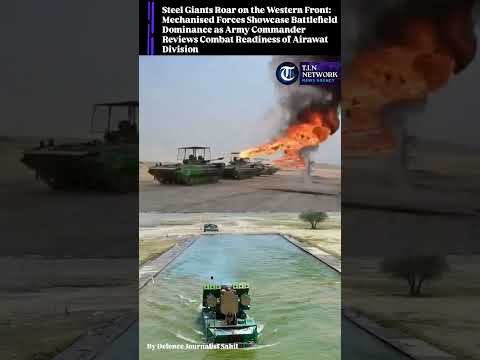
पश्चिमी सेक्टर में युद्धाभ्यास के दौरान भारतीय सेना की मैकेनाइज्ड शक्ति का जबरदस्त प्रदर्शन
पश्चिमी मोर्चे पर भारतीय सेना ने एक बार फिर अपनी ताकत, रणनीतिक तैयारी और आधुनिक युद्ध क्षमता का ऐसा प्रदर्शन किया, जिसने साफ संकेत दिया कि भारत किसी भी परिस्थिति में अपने दुश्मनों को मुंहतोड़ जवाब देने के लिए पूरी तरह तैयार है। इस हाई-इंटेंसिटी सैन्य अभ्यास के दौरान टैंकों और मैकेनाइज्ड इंफैंट्री वाहनों की गड़गड़ाहट ने पूरे युद्धक्षेत्र को हिला कर रख दिया। यह अभ्यास केवल एक सामान्य ट्रेनिंग ड्रिल नहीं था, बल्कि इसे वास्तविक युद्ध जैसी परिस्थितियों में डिजाइन किया गया था, जहां हर एक मूवमेंट, हर एक निर्णय और हर एक रणनीति का सीधा असर मिशन की सफलता पर पड़ता है। इस दौरान सैनिकों ने अपनी तेज गति, सटीक समन्वय और आक्रामक रणनीति का ऐसा प्रदर्शन किया, जो यह दिखाने के लिए काफी था कि भारतीय सेना की मैकेनाइज्ड फोर्सेस अब किसी भी चुनौती के लिए पूरी तरह तैयार हैं। यह अभ्यास भारत की पश्चिमी सीमाओं पर बढ़ते सामरिक दबाव के बीच एक मजबूत संदेश भी देता है कि भारतीय सेना न केवल सतर्क है, बल्कि हर स्तर पर युद्ध के लिए तैयार है।
आर्मी कमांडर लेफ्टिनेंट जनरल पुष्पेंद्र सिंह और कोर कमांडर लेफ्टिनेंट जनरल राजेश पुष्कर की मौजूदगी में हुआ रणनीतिक मूल्यांकन
इस पूरे सैन्य अभ्यास का महत्व और भी बढ़ गया जब पश्चिमी कमान के जनरल ऑफिसर कमांडिंग-इन-चीफ लेफ्टिनेंट जनरल पुष्पेंद्र सिंह, AVSM, SM** ने खुद मौके पर पहुंचकर ऑपरेशनल तैयारियों का गहन निरीक्षण किया। उनके साथ खड़गा कोर (II कोर) के जनरल ऑफिसर कमांडिंग लेफ्टिनेंट जनरल राजेश पुष्कर, AVSM, VSM भी मौजूद रहे, जिन्होंने इस अभ्यास के हर पहलू को बारीकी से देखा और सुनिश्चित किया कि सभी यूनिट्स निर्धारित मानकों के अनुसार प्रदर्शन कर रही हैं। वरिष्ठ सैन्य नेतृत्व की मौजूदगी ने इस अभ्यास को केवल एक ट्रेनिंग एक्सरसाइज से कहीं ज्यादा महत्वपूर्ण बना दिया, क्योंकि इसमें सीधे तौर पर युद्ध की तैयारी और रणनीतिक सोच का मूल्यांकन किया गया। दोनों अधिकारियों ने सैनिकों के मनोबल, उनकी तत्परता, और बदलती परिस्थितियों के अनुसार खुद को ढालने की क्षमता का आकलन किया। यह निरीक्षण इस बात का स्पष्ट संकेत था कि भारतीय सेना अपनी तैयारियों को लेकर किसी भी तरह की ढिलाई नहीं बरत रही है।
एयरावत डिवीजन ने दिखाया दमखम: वास्तविक युद्ध जैसी परिस्थितियों में परखी गई क्षमता
इस अभ्यास के केंद्र में रही एयरावत डिवीजन, जिसने जटिल और चुनौतीपूर्ण मिशनों को अंजाम देकर अपनी ऑपरेशनल क्षमता का शानदार प्रदर्शन किया। इस डिवीजन के सैनिकों ने उन परिस्थितियों में काम किया, जो पूरी तरह से वास्तविक युद्ध के माहौल को दर्शाती थीं। समय की कमी, कठिन भू-भाग, और काल्पनिक दुश्मन की मौजूदगी के बीच सैनिकों ने जिस तरह से अपने मिशन को पूरा किया, वह उनकी ट्रेनिंग और अनुशासन का प्रमाण है। एयरावत डिवीजन की यह तैयारी इस बात को दर्शाती है कि जरूरत पड़ने पर यह यूनिट युद्धक्षेत्र में निर्णायक भूमिका निभाने में सक्षम है। इस तरह के अभ्यास न केवल सैनिकों के आत्मविश्वास को बढ़ाते हैं, बल्कि उन्हें भविष्य की चुनौतियों के लिए मानसिक और शारीरिक रूप से भी तैयार करते हैं।
पानी की बाधाओं को पार करने की अद्भुत क्षमता: फ्लोटेशन और फोर्डिंग ऑपरेशन का प्रदर्शन
इस सैन्य अभ्यास का सबसे आकर्षक और तकनीकी रूप से चुनौतीपूर्ण हिस्सा था पानी की बाधाओं को पार करने की क्षमता का प्रदर्शन। आधुनिक युद्ध में नदियां और जल बाधाएं अक्सर सेना की गति को धीमा कर सकती हैं, लेकिन भारतीय सेना ने इस चुनौती को भी अवसर में बदल दिया। फ्लोटेशन और फोर्डिंग जैसे ऑपरेशनों के जरिए मैकेनाइज्ड फोर्सेस ने दिखाया कि वे किसी भी प्राकृतिक बाधा को पार करते हुए अपनी गति और आक्रामकता बनाए रख सकती हैं। इन ऑपरेशनों के दौरान टैंकों और अन्य भारी वाहनों ने पानी के बीच से गुजरते हुए अपनी तकनीकी क्षमता और इंजीनियरिंग सपोर्ट का शानदार प्रदर्शन किया। यह केवल एक कौशल नहीं, बल्कि युद्ध के दौरान रणनीतिक बढ़त हासिल करने का एक महत्वपूर्ण माध्यम है, जो दुश्मन को चौंकाने और तेजी से आगे बढ़ने में मदद करता है।
उभरते खतरों से निपटने के लिए नवाचार और आधुनिक रणनीतियों का समावेश
इस अभ्यास में केवल पारंपरिक युद्ध रणनीतियों पर ही ध्यान नहीं दिया गया, बल्कि आधुनिक और उभरते खतरों से निपटने के लिए नई तकनीकों और नवाचारों को भी शामिल किया गया। आज के समय में युद्ध केवल जमीन और हवा तक सीमित नहीं रह गया है, बल्कि इसमें साइबर वारफेयर, ड्रोन हमले और इलेक्ट्रॉनिक वॉरफेयर जैसे नए आयाम भी जुड़ चुके हैं। भारतीय सेना ने इस अभ्यास के जरिए यह दिखाया कि वह इन सभी चुनौतियों के लिए तैयार है। सैनिकों ने नई रणनीतियों का इस्तेमाल करते हुए काल्पनिक खतरों का सामना किया और उन्हें निष्क्रिय करने के तरीके अपनाए। यह दृष्टिकोण इस बात को दर्शाता है कि भारतीय सेना भविष्य के युद्धों को ध्यान में रखते हुए खुद को लगातार अपडेट कर रही है।
खड़गा कोर की ताकत: भारतीय सेना की आक्रामक क्षमता का सबसे बड़ा स्तंभ
खड़गा कोर, जिसे भारतीय सेना की सबसे शक्तिशाली स्ट्राइक फोर्सेज में से एक माना जाता है, इस पूरे अभ्यास के दौरान अपनी पूरी ताकत में नजर आई। यह कोर विशेष रूप से आक्रामक अभियानों के लिए तैयार की गई है और युद्ध के समय दुश्मन के इलाके में गहराई तक प्रवेश करने की क्षमता रखती है। लेफ्टिनेंट जनरल राजेश पुष्कर के नेतृत्व में इस कोर ने दिखाया कि वह किसी भी स्थिति में तेजी से प्रतिक्रिया देने और निर्णायक कार्रवाई करने में सक्षम है। टैंकों, इंफैंट्री, आर्टिलरी और सपोर्ट यूनिट्स के बीच शानदार तालमेल इस बात का प्रमाण था कि यह कोर भारतीय सेना की युद्ध क्षमता का सबसे मजबूत स्तंभ है।
पश्चिमी कमान का सशक्त संदेश: हर चुनौती के लिए तैयार भारत
इस पूरे सैन्य अभ्यास के माध्यम से पश्चिमी कमान ने एक स्पष्ट और मजबूत संदेश दिया है कि भारत अपनी सीमाओं की सुरक्षा के लिए पूरी तरह सतर्क और तैयार है। जिस तरह से इस अभ्यास में आधुनिक तकनीक, रणनीति और नेतृत्व का समावेश देखा गया, वह यह दर्शाता है कि भारतीय सेना किसी भी संभावित खतरे का सामना करने के लिए हर समय तैयार रहती है। यह केवल एक अभ्यास नहीं, बल्कि दुश्मनों के लिए एक चेतावनी भी है कि भारत की सैन्य शक्ति को कम आंकना भारी पड़ सकता है।
स्टील, रणनीति और सैनिक—भारतीय सेना की अटूट ताकत
यह सैन्य अभ्यास भारतीय सेना की उस ताकत का प्रतीक है, जिसमें स्टील के दिग्गज, आधुनिक रणनीतियां और समर्पित सैनिक एक साथ मिलकर एक अजेय शक्ति का निर्माण करते हैं। यह केवल युद्ध की तैयारी नहीं, बल्कि देश की सुरक्षा के प्रति अटूट प्रतिबद्धता का प्रदर्शन है। भारतीय सेना ने एक बार फिर साबित कर दिया है कि चाहे परिस्थिति कितनी भी कठिन क्यों न हो, वह हर चुनौती का सामना करने के लिए पूरी तरह सक्षम है। पश्चिमी मोर्चे पर गूंजती टैंकों की आवाज सिर्फ शक्ति का प्रदर्शन नहीं, बल्कि यह संदेश भी है कि भारत की रक्षा हमेशा मजबूत हाथों में है।
BY DEFENCE JOURNALIST SAHIL | T.I.N. NETWORK
Steel Giants Roar on the Western Front: Mechanised Forces Showcase Battlefield Dominance as Army Commander Reviews Combat Readiness of Airawat Division
A Powerful Display of India’s Mechanised Warfare Capability in the Western Theatre
In a significant demonstration of India’s growing battlefield readiness and mechanised warfare prowess, the Western sector witnessed an intense and high-impact military exercise where steel giants—main battle tanks and infantry combat vehicles—roared across challenging terrain, symbolizing the Indian Army’s combat dominance and rapid response capability. The exercise, conducted under the operational oversight of the Western Command, brought into focus the preparedness of the Airawat Division, one of the key formations under the Kharga Corps. The presence of Lieutenant General Pushpendra Singh, AVSM, SM**, General Officer Commanding-in-Chief of Western Command, added strategic weight to the exercise, as he personally reviewed operational readiness and assessed the combat efficiency of troops in real-time simulated battlefield conditions. This large-scale manoeuvre was not just a routine drill but a carefully designed war-gaming scenario aimed at testing integrated combat operations under evolving threat environments, particularly along India’s sensitive western borders.
Leadership Oversight: Strategic Review by Lt Gen Pushpendra Singh and Lt Gen Rajesh Pushkar
The exercise gained further importance with the active involvement of senior military leadership, including Lieutenant General Rajesh Pushkar, AVSM, VSM, the General Officer Commanding of the elite Kharga Corps (II Corps), who played a crucial role in supervising the execution of operational plans. The presence of both commanders ensured that the exercise was aligned with current strategic doctrines and operational priorities of the Indian Army. Lt Gen Pushpendra Singh’s review focused on real-time decision-making, coordination between different combat arms, and the ability of formations to adapt to dynamic battlefield conditions. Meanwhile, Lt Gen Rajesh Pushkar’s leadership at the corps level ensured seamless integration of various units, reinforcing the Kharga Corps’ reputation as one of the most formidable strike formations of the Indian Army. Their joint oversight reflected a clear emphasis on leadership-driven preparedness, where strategic vision meets ground-level execution.
Airawat Division at the Forefront: Testing Combat Readiness Under Realistic Conditions
At the heart of the exercise was the Airawat Division, which undertook complex operational tasks designed to simulate high-intensity conflict scenarios. The division’s troops demonstrated exceptional coordination, discipline, and tactical awareness while executing manoeuvres that required precision and speed. The exercise environment replicated real battlefield challenges, including terrain obstacles, time-sensitive objectives, and simulated enemy resistance. This allowed commanders to evaluate not just the physical readiness of troops but also their psychological resilience and ability to operate under pressure. The Airawat Division’s performance underscored its capability to function as a decisive force multiplier in the event of any conflict along the western front, where rapid mobilization and offensive strength are critical.
Integrated Manoeuvres: From Flotation to Fording in Complex Terrain
One of the most striking aspects of the exercise was the execution of integrated manoeuvres involving the negotiation of water obstacles, a critical requirement in modern warfare. Mechanised columns showcased their ability to cross rivers and water bodies using both flotation and fording techniques, highlighting the Army’s preparedness to operate in diverse and challenging terrains. These operations require a high level of engineering support, coordination, and technical expertise, as even minor miscalculations can lead to mission failure. The successful execution of such manoeuvres demonstrated the Indian Army’s capability to maintain operational momentum even in the face of natural obstacles, ensuring that advancing forces are not slowed down during critical phases of combat. This aspect of the exercise also reflected the Army’s focus on mobility and adaptability, key elements in achieving battlefield superiority.
Countering Emerging Threats: Innovation Meets Tactical Excellence
Beyond conventional warfare drills, the exercise also emphasized the need to counter emerging and hybrid threats, which are becoming increasingly prominent in modern conflict scenarios. Innovative solutions and tactical adaptations were showcased, reflecting the Army’s efforts to stay ahead of adversaries in an ever-evolving security landscape. From electronic warfare considerations to rapid response strategies against asymmetric threats, the exercise incorporated multiple dimensions of contemporary warfare. This forward-looking approach indicates that the Indian Army is not only preparing for traditional battles but is also equipping itself to deal with unconventional challenges, including cyber threats, drone warfare, and information warfare. Such comprehensive preparedness is essential in ensuring that India’s defence forces remain capable of responding effectively to any form of aggression.
Kharga Corps: The Spearhead of Offensive Capability
The Kharga Corps, also known as II Corps, has long been recognized as one of the Indian Army’s premier strike formations, tasked with leading offensive operations in the western sector. This exercise reaffirmed its status as a battle-ready force capable of executing deep thrust operations with speed and precision. Under the leadership of Lt Gen Rajesh Pushkar, the corps demonstrated its ability to integrate multiple combat elements, including armoured units, mechanised infantry, artillery, and support services, into a cohesive fighting force. The performance of the Kharga Corps during the exercise sent a clear message about India’s preparedness and its ability to project power when required. It also highlighted the importance of continuous training and modernization in maintaining combat effectiveness.
A Message of Strength and Readiness from the Western Command
The exercise conducted under the Western Command’s aegis serves as a strong signal of India’s military preparedness and its commitment to safeguarding national security. In a region marked by geopolitical complexities and potential threats, such demonstrations of strength are crucial in maintaining deterrence and ensuring stability. Lt Gen Pushpendra Singh’s review underscored the importance of constant vigilance, operational readiness, and the ability to respond swiftly to any contingency. The Western Command, responsible for some of the most sensitive sectors along India’s borders, continues to play a pivotal role in shaping the Army’s operational posture, and exercises like these are integral to its mission.
Steel, Strategy, and Soldiers—A Triad of Battlefield Dominance
The mechanised exercise reviewed by the Army’s top leadership stands as a testament to the Indian Army’s evolving capabilities and its unwavering commitment to excellence. It showcased not just the power of steel and machinery, but also the skill, determination, and professionalism of the soldiers who operate them. As India continues to navigate a complex security environment, such displays of readiness and innovation reinforce confidence in the nation’s defence forces. The roar of steel giants across the battlefield is not just a sound of power—it is a declaration of preparedness, resilience, and an unyielding resolve to defend the nation at all costs.