



Surg Vice Admiral Arti Sarin Reviews Field Hospitals at Dehradun Military Station
DGAFMS visits Field Hospitals at Clement Town and Garhi Cantt, reviews patient care, operational preparedness and future medical readiness.
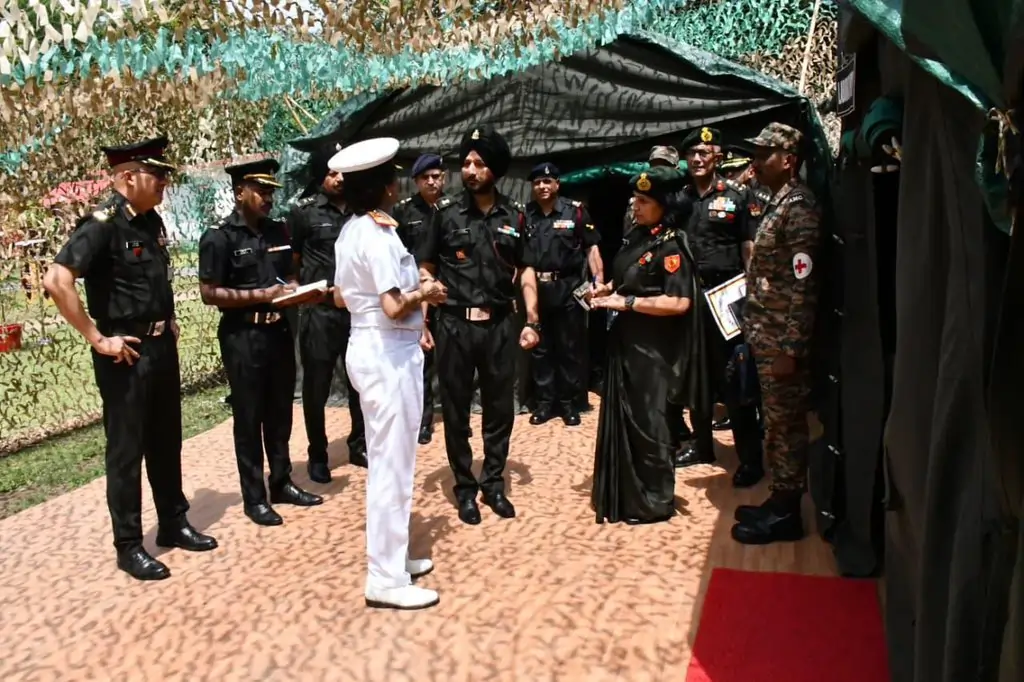
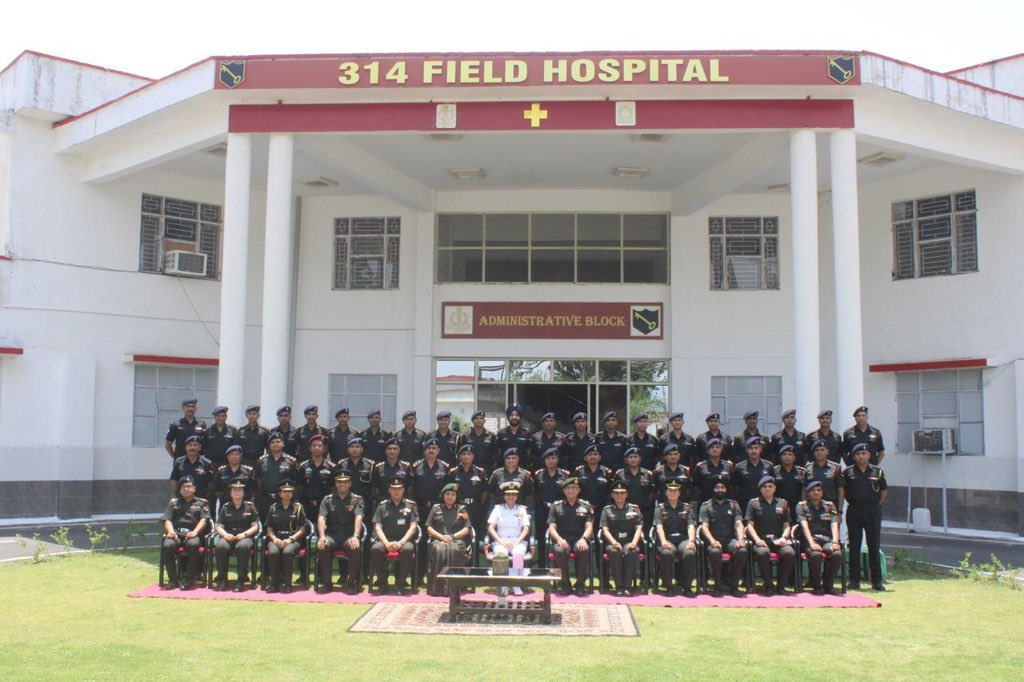
Surg Vice Admiral Arti Sarin, Director General Armed Forces Medical Services (DGAFMS), visited the Field Hospitals at Clement Town and Garhi Cantt in Dehradun Military Station to review the functioning, preparedness and operational capabilities of these important field medical units.
The visit highlighted the continued focus of the Armed Forces Medical Services (AFMS) on delivering prompt, efficient and mission-ready healthcare support to troops in both peace and operational environments.
During the visit, the Flag Officer reviewed various aspects of patient care, training standards, medical infrastructure and operational preparedness. She was briefed on the current capabilities of the field hospitals, their role in supporting formations, and their readiness to respond to diverse medical emergencies during operational deployments.
Surg Vice Admiral Arti Sarin closely assessed the standards of patient care being maintained by the field medical units. She also reviewed the training practices followed by medical personnel and the systems in place to ensure rapid response during operational requirements.
Field hospitals play a critical role in the military medical chain by providing immediate and advanced medical support close to operational areas. Their efficiency directly contributes to casualty management, troop morale and overall mission success.
The DGAFMS appreciated the efforts of the medical teams and emphasised the importance of maintaining high standards of professionalism, discipline and readiness at all times.
During her interaction with the officers and medical staff, the DGAFMS provided valuable guidance on capability enhancement, technology infusion and future readiness of field medical units.
She stressed the need to continuously upgrade medical capabilities in line with emerging operational challenges. The emphasis was on modernising field medical support through better equipment, improved training, faster evacuation protocols and the adoption of suitable technologies.
The visit also underlined the importance of preparing medical units for diverse operational scenarios, including high-intensity operations, disaster response, mass casualty situations and remote-area deployments.
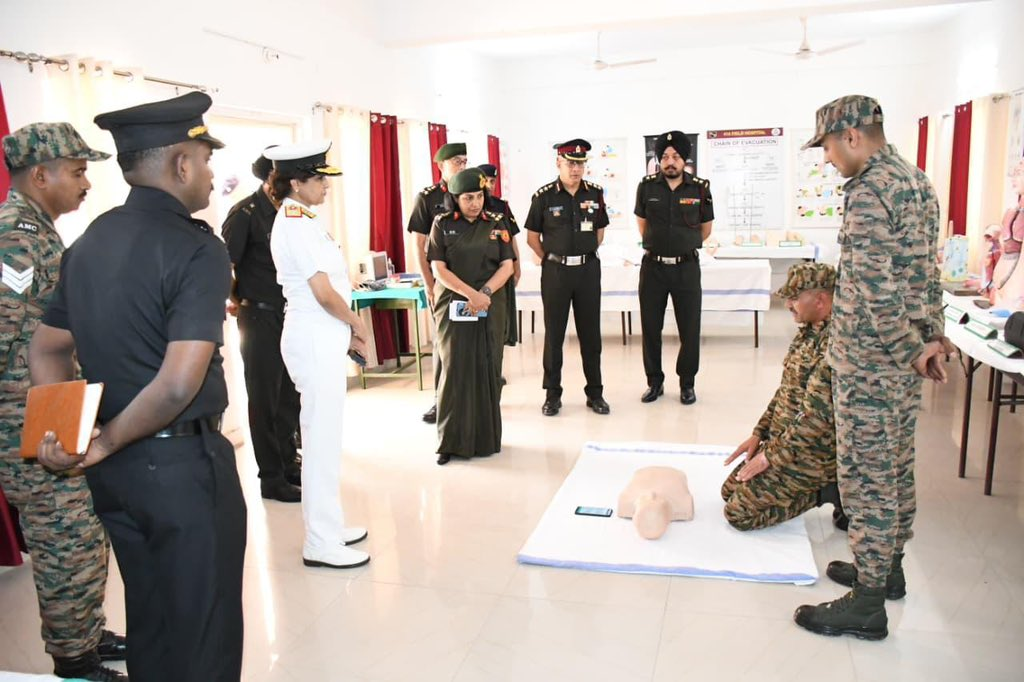
Several operational and medical drills were conducted during the visit to showcase the capability of AFMS personnel to deliver rapid, effective and mission-ready medical support.
These drills demonstrated the preparedness of the field hospitals to function efficiently under challenging conditions. The exercises reflected the ability of the Armed Forces Medical Services to provide timely medical intervention, stabilisation and evacuation support in varied operational environments.
Such drills are essential for testing response mechanisms, coordination, casualty handling procedures and the overall effectiveness of field medical teams.
Surg Vice Admiral Arti Sarin also interacted with troops and medical personnel posted at the field hospitals. She commended them for their commitment, professionalism and dedication towards providing quality medical care to soldiers and their families.
As a mark of appreciation, the DGAFMS presented Certificates of Appreciation to deserving personnel in recognition of their exemplary service and dedication.
The gesture served as a morale booster for the medical staff and reinforced the importance of their role in supporting the operational effectiveness of the Armed Forces.
The visit of the DGAFMS to the Field Hospitals at Clement Town and Garhi Cantt reaffirmed the commitment of the Armed Forces Medical Services to maintaining high standards of military healthcare.
With a focus on patient care, operational readiness, technology infusion and continuous training, the AFMS continues to play a vital role in ensuring that troops receive timely and effective medical support wherever required.
The inspection also reflected the importance of field medical units as a crucial pillar of operational preparedness, capable of delivering life-saving care in demanding and dynamic environments.